A quarter-century ago, I started my final semester in undergrad.
I was accepted into the Urban Nomadism studio with Raveevarn Choksombatchai, who was renown in school as a sharp critic. We started by reading Bruce Chatwin’s The Songlines and the chapter on rhizomes in Deleuze and Guattari’s 1000 Plateaus.
That was the last bit of clarity I saw through spring. Raveevarn was indeed a brutal critic. She would break down any idea to question every assumption. I wasn’t ready for that intellectual challenge—I restarted after every desk crit.
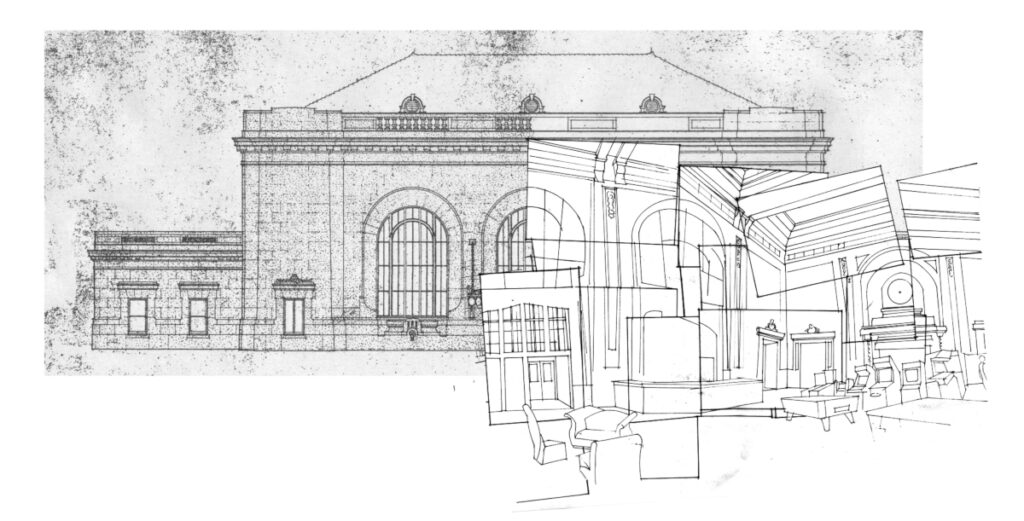
I spent the entire studio flailing. I made a video of rubber ducks. I found a site at the 16th Street Station in West Oakland. I finagled a tour of an Oakland port facility by just walking on site. I analyzed a key play from a game where the Saints beat Kurt Warner’s greatest show on turf. I visited truck stops all over the Bay Area. I threw ramen on the wall cause I had nothing else.
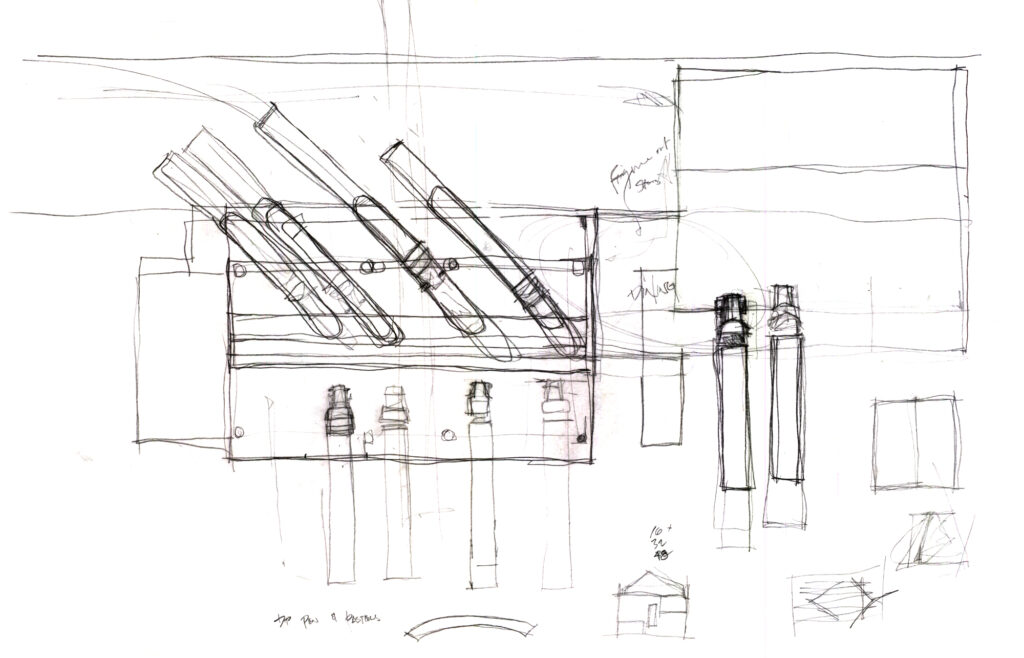
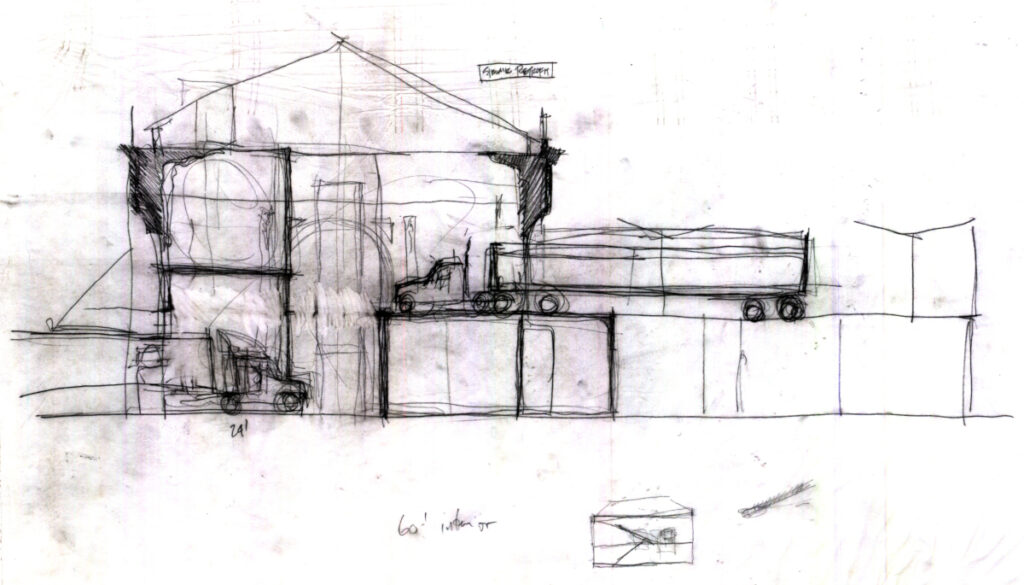
I slammed my head against the concrete walls of Wurster Hall night after night, until I ran out of time. Three nights before final presentations, a buddy pulled me aside for a brainstorming session. After a pack of cigarettes, we had a plan and section.
The next day, Raveevarn agreed it was a good diagram for starting a project.
I slid her the form to drop the studio.
She signed it.
My last class at Berkeley.
In 2018, I wrote about this experience and that lesson stands true.
It took a while to process what went wrong, but I eventually realized that I needed to grow a backbone as a designer. The critquer’s job is to critique, and my job is to complete the project. Sometimes they are right, sometimes they are wrong, and sometimes you just have to ignore everything and keep it moving.
I noticed a couple other things while writing this piece.
Raveevarn gave me her time until the very end. Yes that’s her job, but architecture professors have been known to cut their losses with underperformers. It can’t be fun to hold the hand of lost a 21-year old over five months. I’m grateful she didn’t give up.
Her investment eventually paid off. Not as a designer—I never got better than pedestrian. But as a professional, I’m responsible for allocating my time. Sometimes it’s administrative fluff. Sometimes it’s progressing big efforts. Sometimes stepping all the way back to challenge why we’re here.
Beyond written job duties, my craft is in perceiving those soft moments where judicious pressure can make a tangible difference. An architect once paid me the nicest compliment, “you’re not like other owners, you think“.
For that, I can thank those brutal desk crits in 2001.