I tumble straight into Callivember as Inktober wraps up. Even though I did all the Inktober pieces in September, I kept busy in (real) October scanning a giant pile of pieces from last year and finishing off prompts from 2018 using a ruling pen. Hopefully I’ll clean them up after the holidays.
,
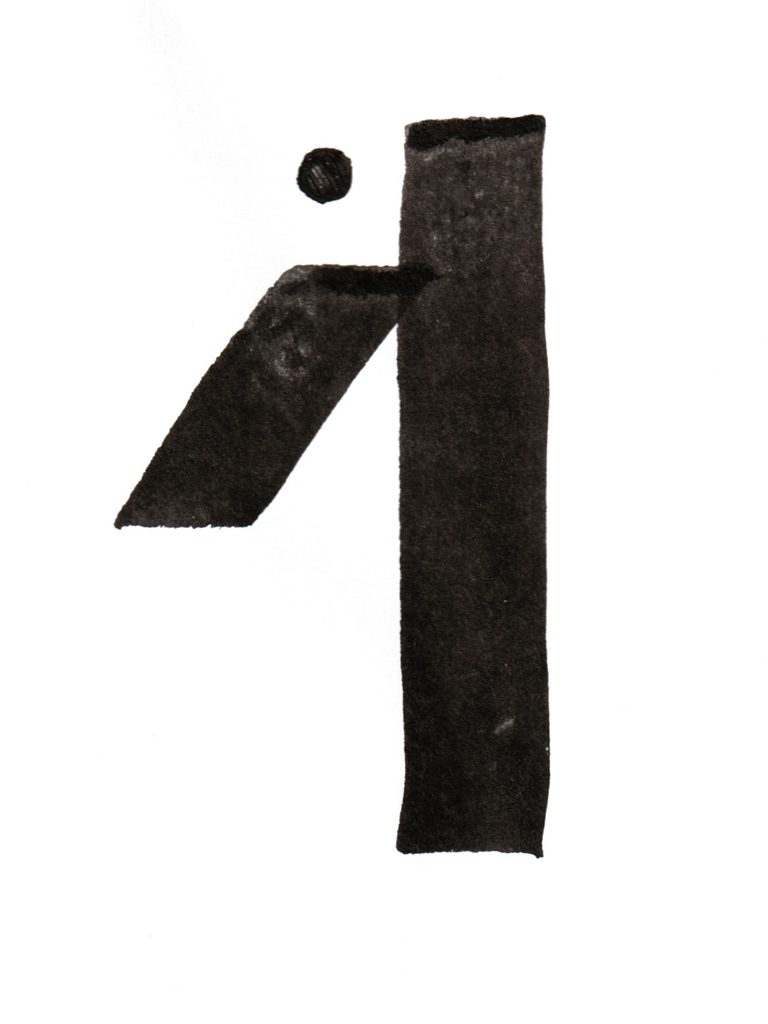
I distilled zip to the key components that makes those letter distinctives, the forward slant, the dot, and the long descender. This would have been better done in the computer, but this isn’t Adobe IllustratorTober.
,
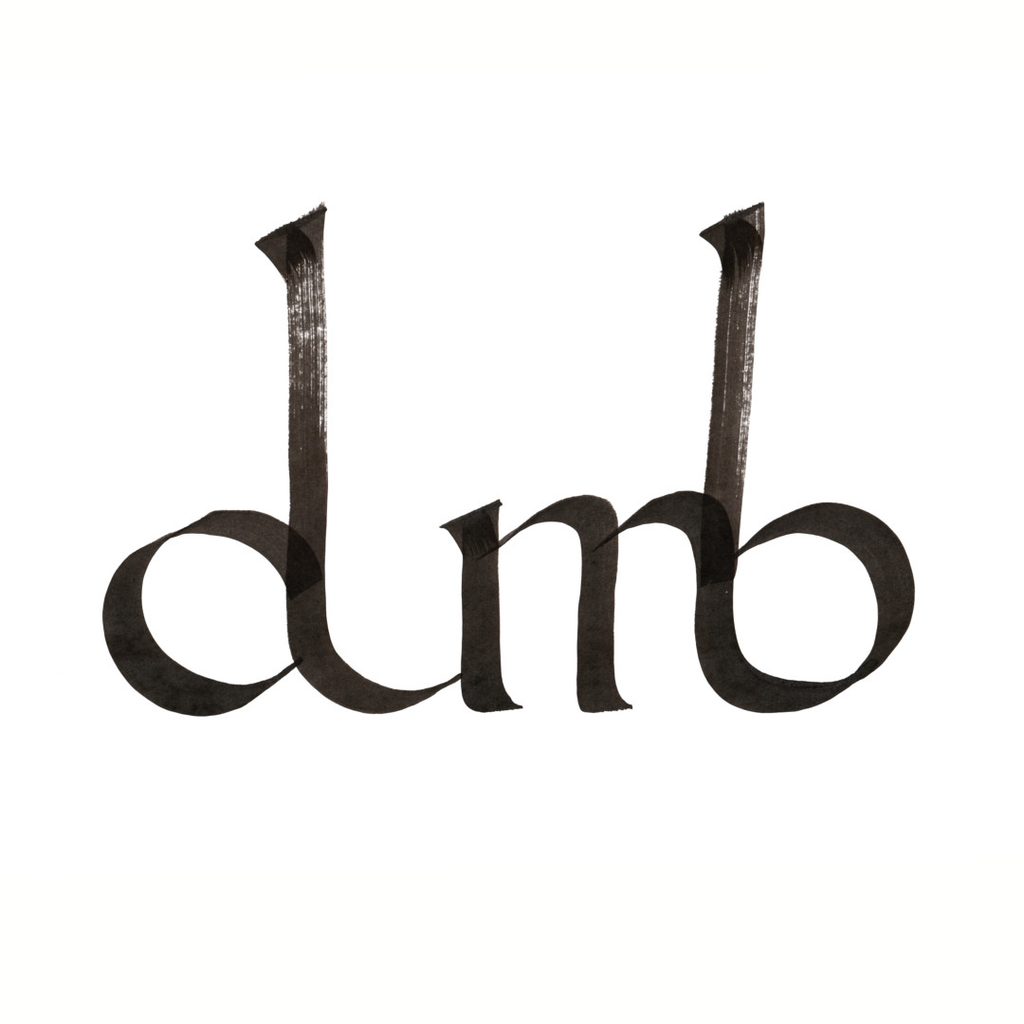
Foundational hand, but merged for dumb.
,
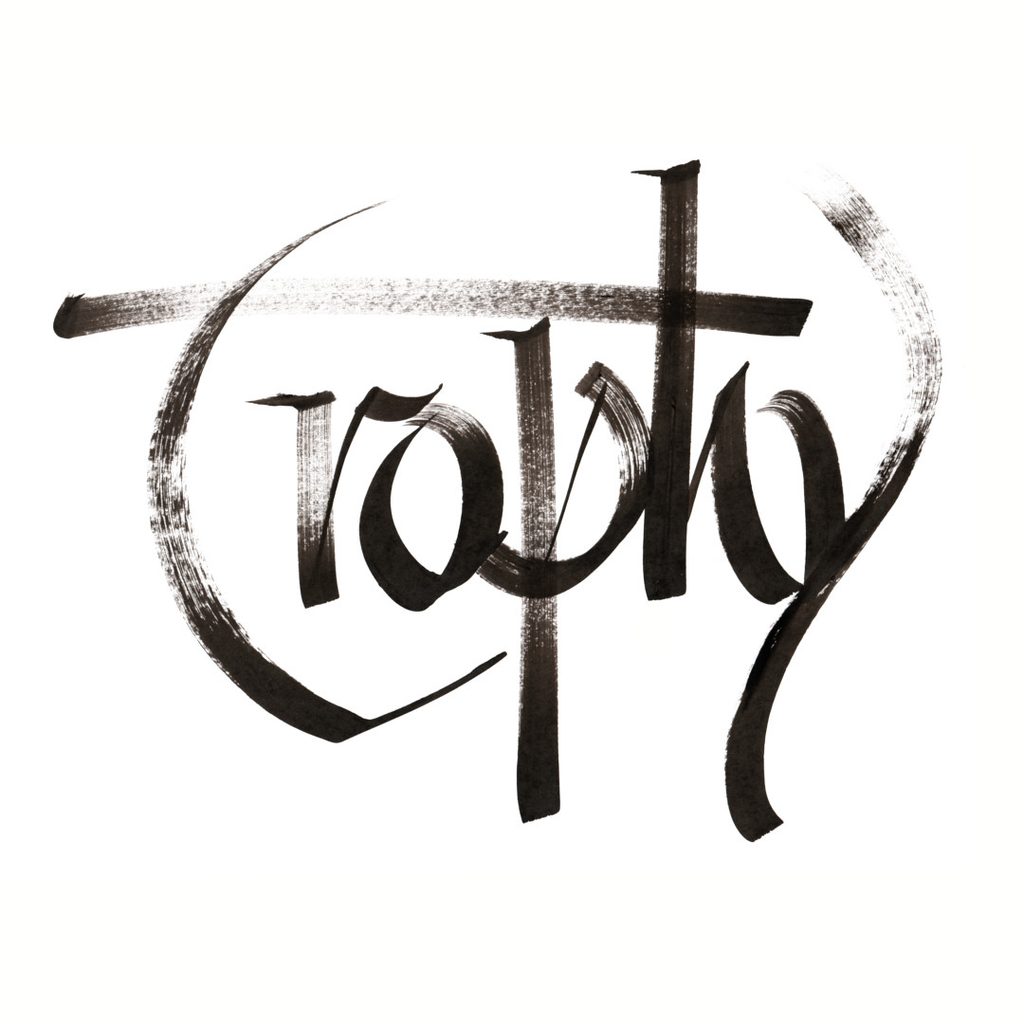
Gothcized italics with a little flair felt just right for trophy.
,
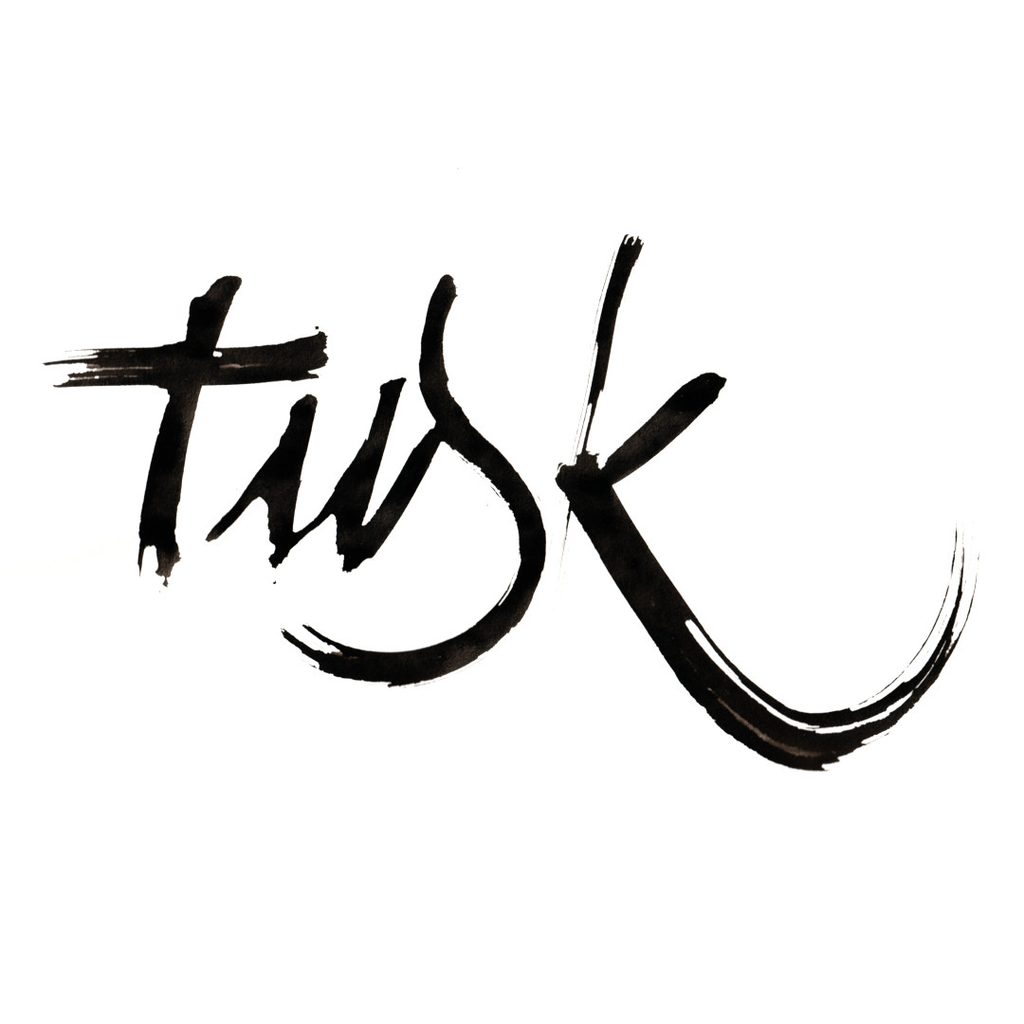
I went all in with a raw hake brush for tusk. A few weeks later I discovered I could get even raw-er with a toothbrush. There’s always a cruder instrument out there!
,
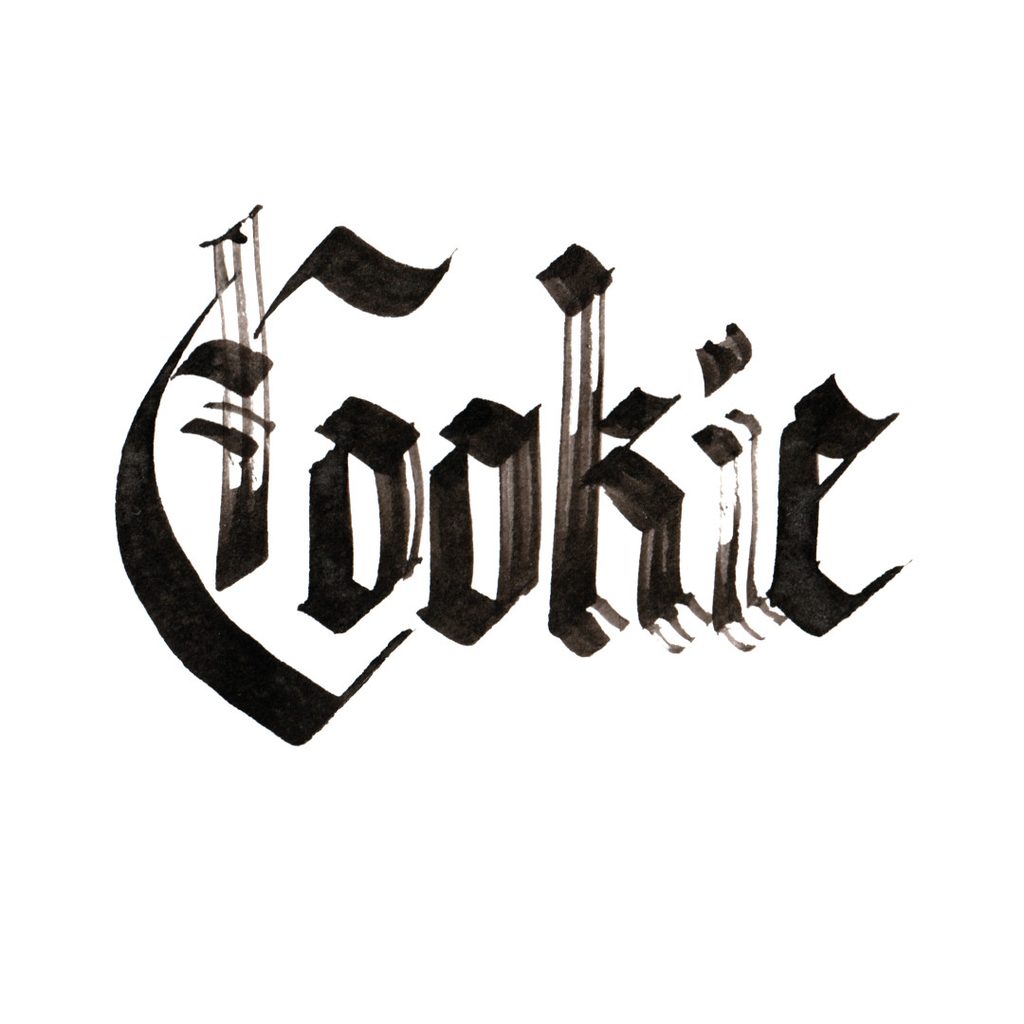
This cookie is fine, but I’m gonna focus on blackletter for Callivember. I hope to come out with a better grasp on that hand, which has always been a challenge.
,,
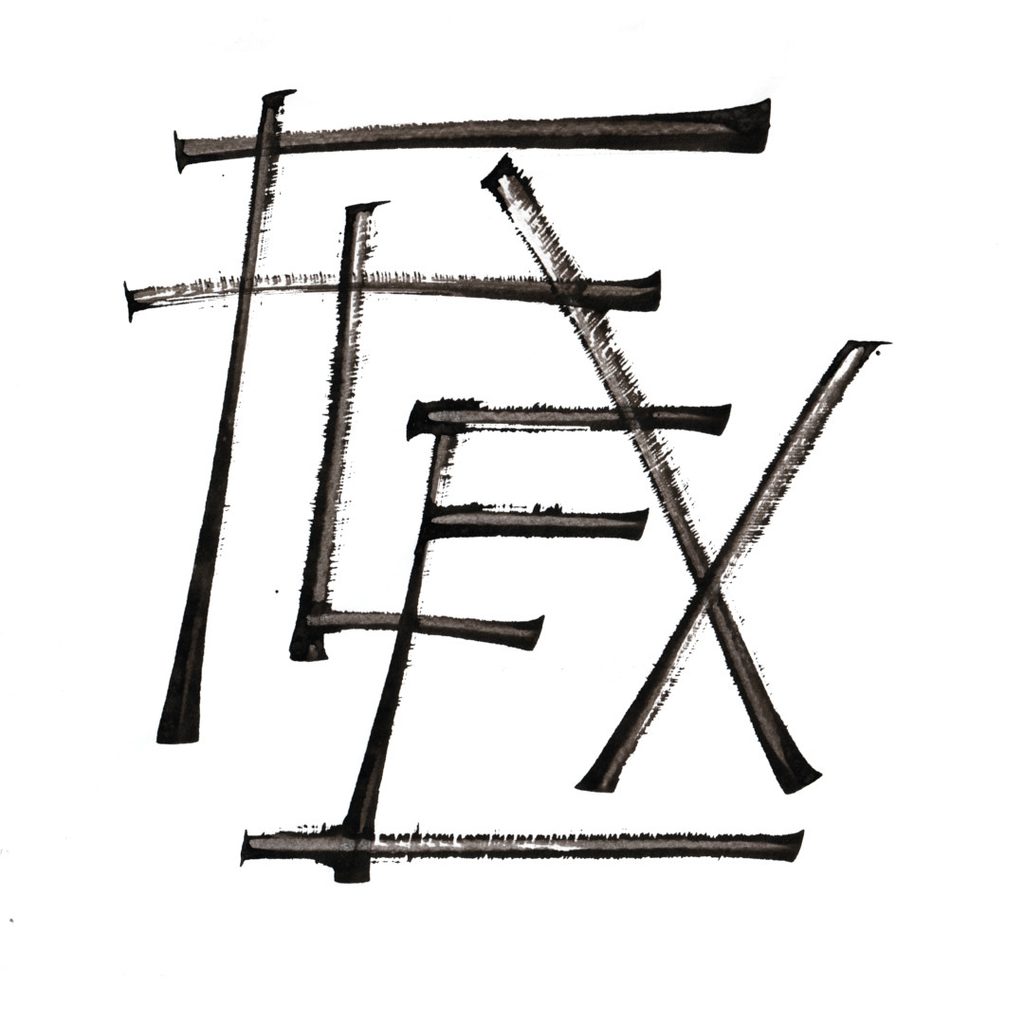
I ended Inktober with flex using a folded pen, which became my focus for personal practice in October. I pushed out a dozen pieces and now feel a decent handle on that tool. Just gotta repeat through the discomfort.
,
After 2020, I’m don’t take a smooth election for granted. Thankfully this year’s experiment in democracy went well, even if there’s work to do—one of my colleagues worked a 17 hour day at her polling station.
I don’t look forward to my turn in twenty months. I’m also not excited about the start of the 2028 presidential primaries. There are a lot of problems with America; a lack of elections ain’t one of ’em.
Cya next time!
,
PS—Adam’s Navel, Michael Sims, 2003
I’m old enough that college is now two decades old. It’s not a huge deal for a book about cultural history, but it still feels strange to read a book from “this century” that feels out of date (for example smart phones didn’t exist).
Now that I mention it, cell phones and the internet are absent from this book. It was refreshing. I participated in NaNoRwiMo two decades ago. I spent that November banging out a 50 thousand word stream of consciousness essay about random things in my 168 square foot garage apartment. It’s unreadable.
On the other hand, this book is eminently readable. It’s a fun travelogue of the human body from head to toe. I finally finished this book due to the library’s expansive renewal policy. I had this book for more than two years, reading bits and pieces throughout the pandemic until a big two week push to finally finish it off. If a book takes two years to read, I can’t say it’s a page turner, but it was enjoyable.
Maybe that’s the key thought, books as entertainment. If not the content itself, at least the sense of accomplishment after finishing a book. Sure beats spending an evening crushing youtube shorts spoon-fed by the algorithm.
As for the book itself? It delights in who we are and what we’ve become as biological individuals and as societal bodies. I’m suspect there is a deeper message buried in the book, but it is so subterranean to be non-explicit. After half a decade, I remember nothing else—worth a read but never revisited.
—January 2022
,
PPS—The Desert, John C. Van Dyke, 1901
I’ve bought this book twenty years ago, after a recommendation by Reyner Banham in Scenes in America Deserta.
The introduction of the book is a bummer, because it turns out the process was utter hogwash. Van Dyke wrote from the comfort of a train car, not exploring the landscape by foot or burro. Kind of like my reality as a desert rat in a suburban tract home with copious air conditioning.
But I haven’t read a book that has written color nearly so vividly. Van Dyke captures the glory of the desert, even if he did not have experience it as he claims.
It might not be true, but I wish it was.
I’m happy to have finally read this book, even though I give a hesitant recommendation with its unsteady provenance. Then again, it’s your loss if you skip it.
—April 2022
,
PPPS—Cover
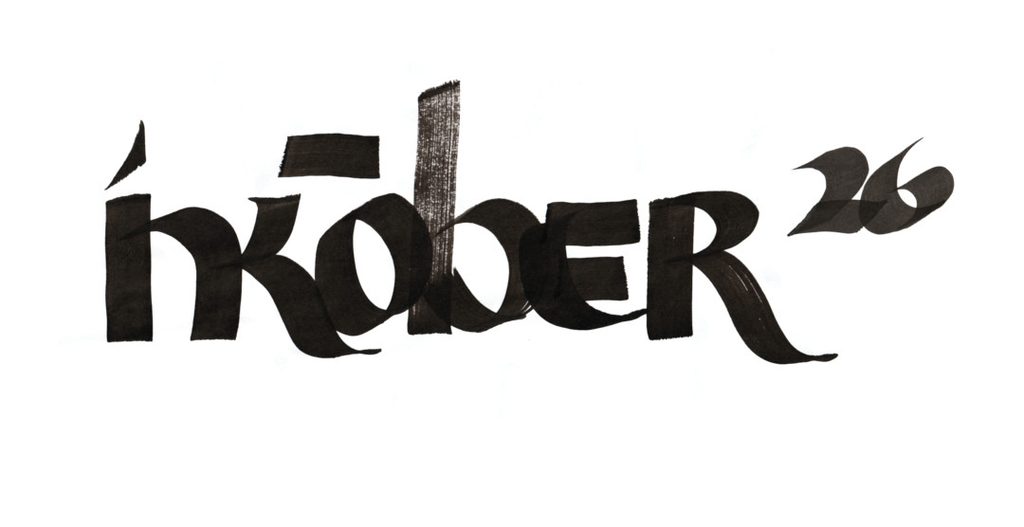
—October 2026
.