I made a game board for Max to play with my Animal Upon Animal pieces. Originally it was hand drawn, then on legal paper in AutoCAD, and finally now in lettersized format. This is version 9. Lots of little tweaks here and there, but I’m happy with it.
I’ve never been a great graphic designer, but a some time and many iterations makes me passable.
Two years ago, our daughter went to school for the last time.
It took a year after that before I dreamt about going out without guilt.
Kind of.
I still felt shame for hanging out at the coffee shop in the morning – because I suddenly realized that I missed an 8:00-8:30 meeting with a consultant.
What kind of crazy person sets up a meeting at 8 in the morning!?
(Aside from a contractor…but that kind of proves my point).
I didn’t think about the COVID during the dream. I only thought of the pandemic when I woke up and realized that I didn’t dream about it.
In the year since I still haven’t gone out much. We’ve been waiting for the kids to get their shots. Our daughter finally got her second shot, but kids under five are still waiting.
Driving a car is an apt analogy. Compared to sitting around the house, it is a relatively dangerous activity, but it confers great benefits. We’re gonna wait another half year till our boy can get his own seatbelt.
Between taxes and other obligations March will be “get real” month. My commentaries will most likely be much shorter or I may rely on random public domain photos to fill in the body here, but this one sentence experiment is worth at least two more weeks.
Beyond that, who knows, but I’ll make sure to give this a proper passage if I decide to move on.
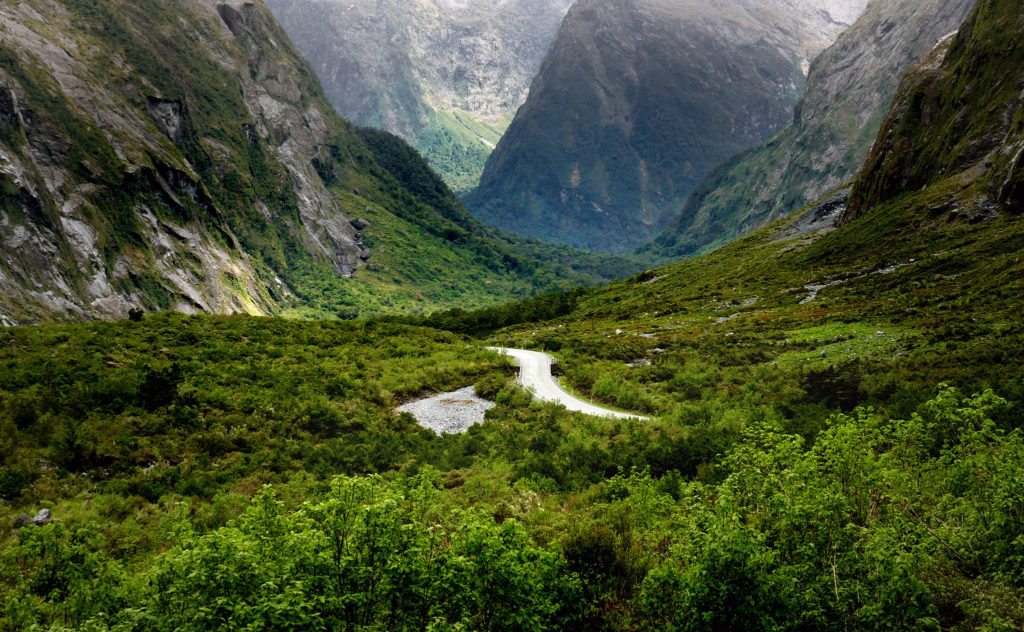
Claddau Valley, Fiordland NP, NZ, Bernard Spragg, 4 Dec 2015
One of my main takeaways from reading the Chinese classic Journey to the West was being immersed in a polythesistic mind set. My brief looks into Taoism and Hinduism laid the groundwork for this experience, but it took the extended daily readings of this fantasy novel over a couple of months to create the mindshift where it was psychologically plausible to see random monsters and spirits hiding around every corner.
Don’t worry, I’m still an athiest – mother nature is weird enough without supernatural help – but at least I now have a passing familiarty with that mindset.
On a completely different note, here is the Ruthie Foster cover of “War Pigs”.
Thanks for reading. Please subscribe if you’d like the next letter in your inbox.
(notes on) The New West
The Houston Public Library introduced me to three great books, The New West, Stephen Shore’s Uncommon Places, and a third monograph that focused on reflections in the plate glass on New York City streets (but I haven’t been able to rediscover). All three books were from the 1970s and 1980s.
The New West has kept its freshness ten years after I first discovered it, almost fifty years after publication. Even though the Rocky Mountains are a foreign place for me (the most interaction I’ve had with Denver is stretching my legs at its train station while riding the California Zephyr), the suburban scape is quite familiar.
The tract homes are much like the simple homes I renovated in the Bay Area. I spent four years remodeling an old tract home in downtown Vegas. I now live next to freshly cleared new subdivisions in the desert. The book’s business strips mirror my grandparent’s avenues in the San Gabriel Valley. I can also see a central business (casino) district from our house, through the dusty haze of flatland. That same highway rolled through the foothills of Austin when I started dating my wife. It also runs through the desert towards Los Angeles.
It is all so familiar, and yet half a century foreign. Different from what I know, but every element rhymes.
The only misstep in this book is the introduction to the chapter “Tract and Mobile Homes”.
Few of the new houses will stand in fifty years; linoleum buckles on countertops, and unseasoned lumber twists walls out of plumb before the first occupants arrive.
I pulled up a copy of Google maps to verify this sour prediction. There have been some changes. Big trees stand tall where the land was scraped bare and fences now divide the properties. But the homes all remain, sometimes barely touched.
I wonder if any of the current residents know that their abode is been featured in a photographic monograph? What would they think if they stumble across a print in a fancy gallery? Do they realize the artist fully expected them their homes would quickly disappear?
However, our ability to predict the future is often half right. I followed up the house search by looking up his busy commercial strips. Almost all of them have changed. Sometimes there are wafts of the past with similar uses in new buildings, but American commerce is one of creative destruction.
Those examples in this book were not spared. Only the church has remained.
And so I see our future in Las Vegas. The streets will remain. These squat stucco boxes will survive. I doubt our trees will grow as tall, but I’m curious what our shopping centers will become in the second half of this new century.
~
A Question
What do you see in your crystal ball? What will stick around in fifty years?
Hit reply and let’s chat!
~
A Link
The Growth Equation posted about the importance of physical constraints, especially for knowledge workers who deal in data all day. This is why I love this industry. Outside of academia, architects have to deal with physical reality, even if we aren’t forced to get our hands dirty.
Thanks for reading the OPM letter! I’d love to have a conversation if you have any feedback. I hope you found some prompts to stretch your craft as a curious Owner PM. See you soon!
I did my initial newsletter culling last week, but I’ve been working through all my unread messages in my “newsletter” email inbox. It is a slightly more productive (and less distracting) use of my phone than social media.
It has confirmed my instinct to cut down on news. Even the essays from my favorite authors feel much less urgent only a couple of weeks after they were posted.
Neil Postman’s Amusing Ourself to Death makes a good point that we can do absolutely nothing about 99% of the stuff we read. While the occasional issues bring up a question worth pondering, the vast majority is glorified entertainment that leads to distraction and anxiety.
Not that my other main diet of random youtube videos is much better, but at least it isn’t pretending to be anything other than mere dross. On that note, I’ve been having a lot of fun being “meta” – watching videos about why movies do (or don’t) work. Both at a storytelling level and at a VFX level.
Watching such fare makes me feel slightly more sophisticated than spending 90 minutes watching an actual movie (because I feel like “analyzing” the content). I don’t know how the algorithm is great at creating new fancies to tickle but damn it’s good at its job.
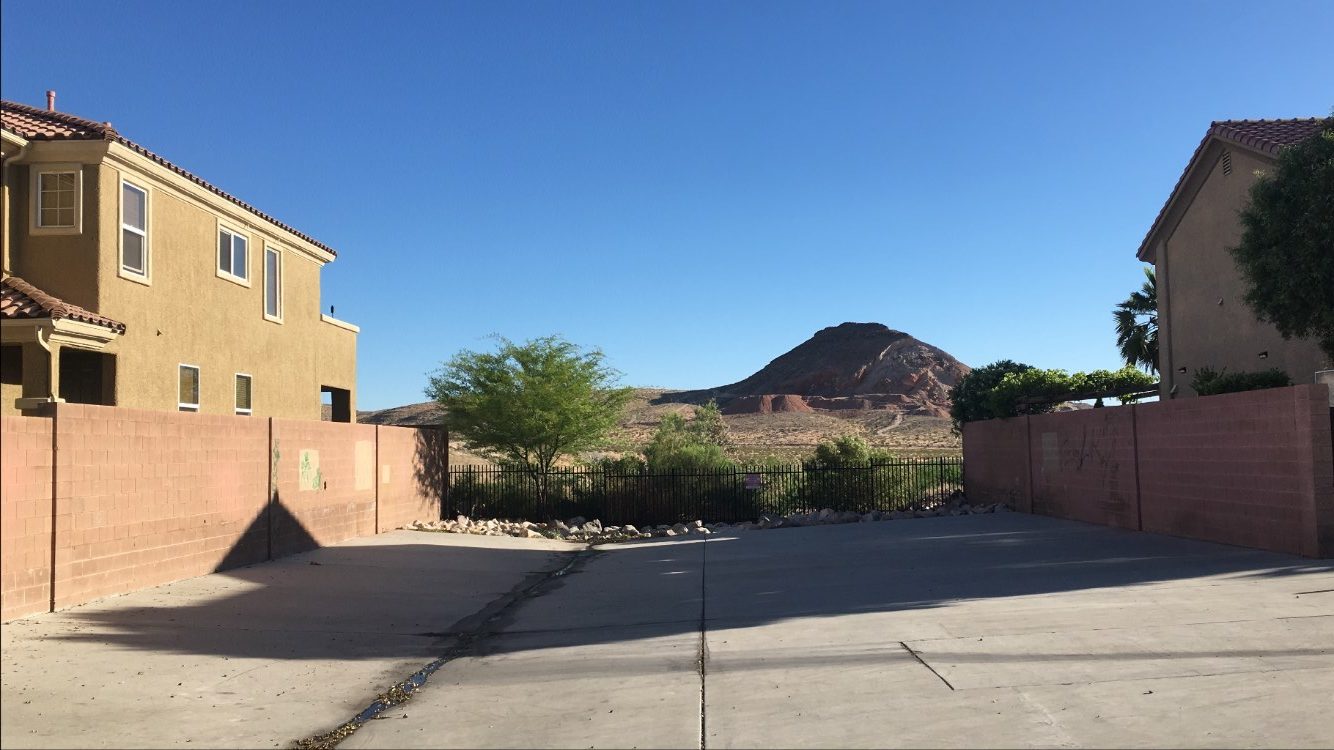
Last month, I played around with with Instagram. I’m good for now, but here are the photos from January 2022 and from the period in 2014 when I was last on that app.
As much as I dislike social, I guess it’s not the end of the world if I pop onto that platform and mess around every few years for a limited period.
As might be assumed (given this blog), I am a believer in slightly oversharing on the internet. If anyone looks me up (as I do them), I want to control the narrative of myself if anyone looks me up (as I do them). Of course this is a sculpted image, but I’d rather have someone see my current conception of self instead of old xanga postings and photos from my college days <eek>.