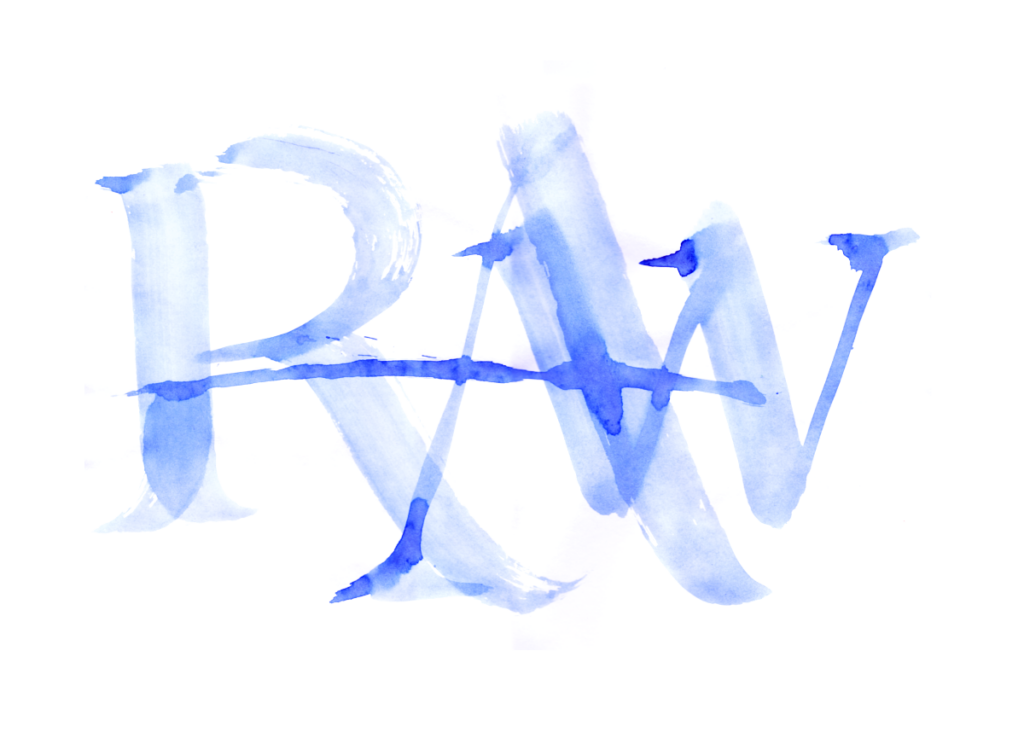
Raw was done with a wide hake brush on 12×18 sulfite paper. I used a light grey muddy wash and pushed the color to blue in the computer.
,
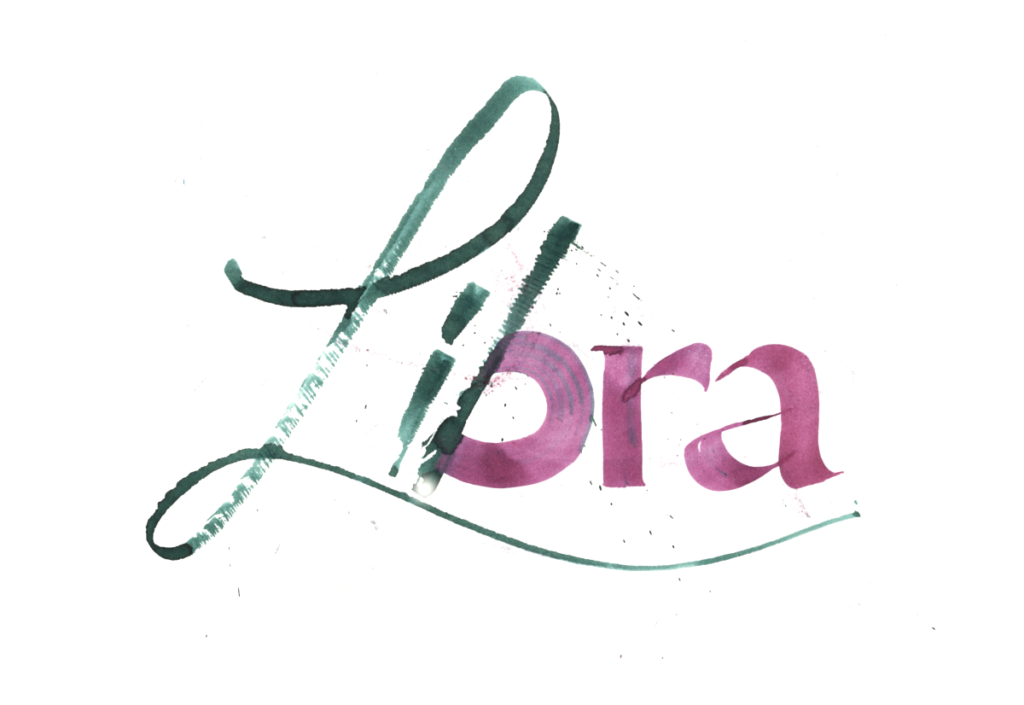
I love how the rough ruling pen meets the sharp flat brush on Libra.
,
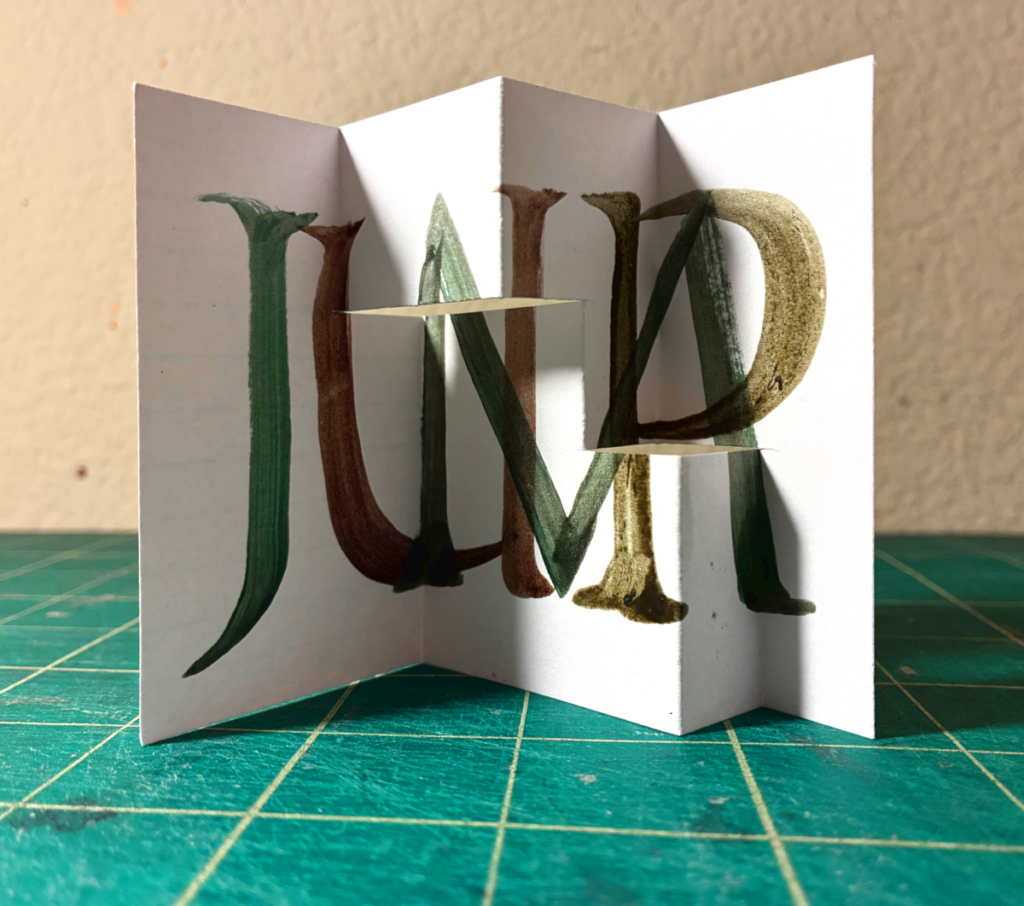
Jumping with Roman Capitals and popups
,
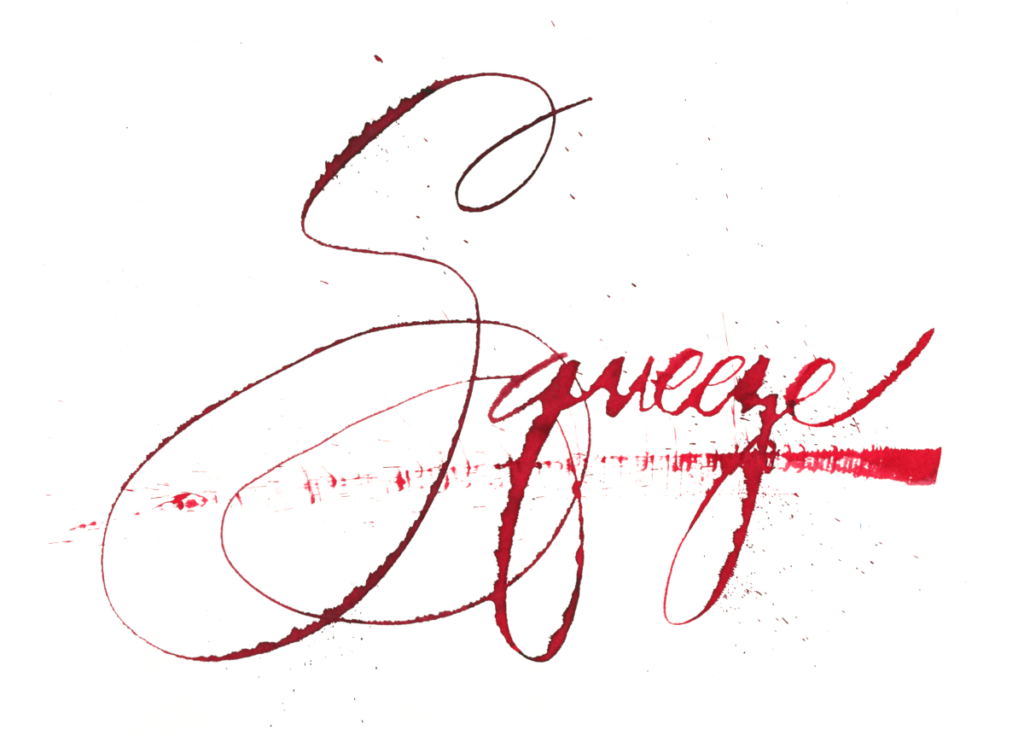
I often have trouble with the letter “S”. But the rest of Squeeze came out ok.
,
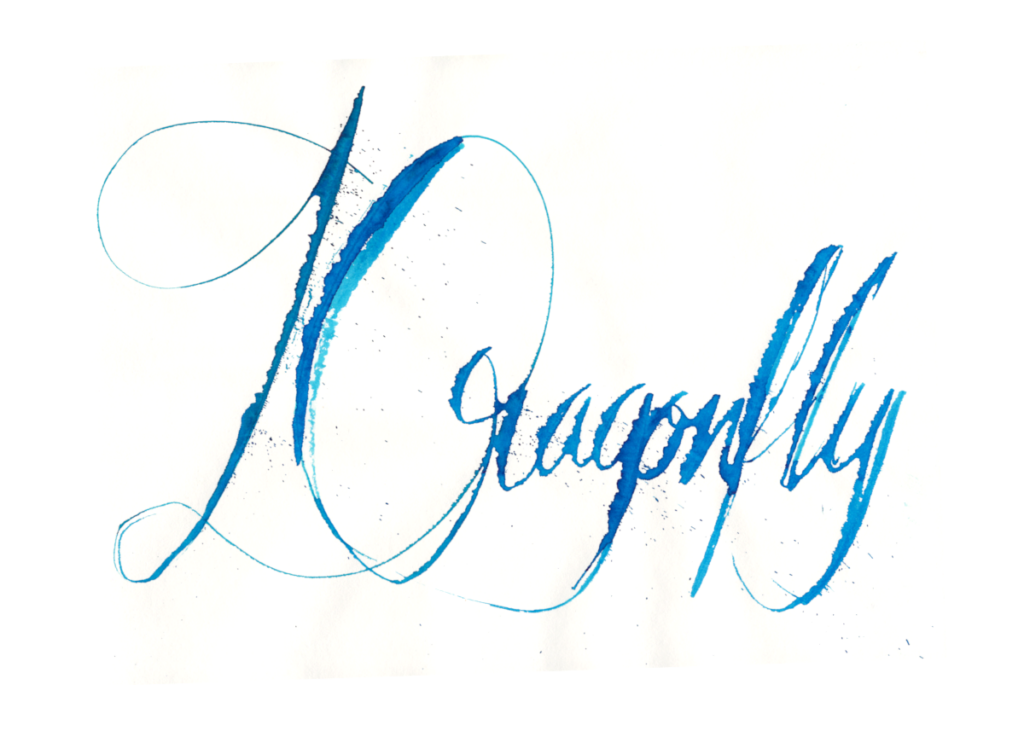
This Dragonfly was done on the big sheets (like “Raw” above). They’re a pain to scan!
,
Cya next time!
,
PS—The Writing Life, Annie Dillard, 1989
I listened to The Writing Life, after Anne Lamott’s Bird by Bird. It was a fortuitous mistake from conflating the authors’ names.
Dillard discusses the struggle of writing as a profession, “splitting wood by aiming for the chopping block”.
She doesn’t digress into the darkness of her soul, nor the mundane tasks of her profession, aside from the admonition to love a sentence.
It’s a great book on honing the craft. Focus on the work. Ignore the metrics. Do the art.
Her prose a breathtaking display of skill. Dillard is vivid while avoiding the sentimental. She’s a bit aphoristic, with short quips and anecdotes. Pairs great with Lamott, for self-help writing books.
—November 2021
,
PPS—Six Memos for the Next Millennium, Italo Calvino, 1985
I stayed in Berkeley for a couple of years after graduating and I attended a class taught by a classmate from my creative nonfiction seminar.
Finn is not an architect—he’s a real scholar.
I thought I was well read but quickly realized otherwise when I had no idea what the class was discussing. That’s also why it was so hard to read this book. Calvino flies around the world of literature while crafting these five lectures.
But after getting into the flow, I had a hard time putting it down. I’ve reread it twice in a row and listened to the audiobook as well.
He unearths aspirations in how to write and think. He explores subjects and their anti-subjects. It’s a curated cross section of a great writer’s worldview. So much to dig into. His ideas have not gone stale in the four decades after his death.
—February 2022 (If nothing else it spurred my play with 1 sentence stories for a few weeks.)
,
PPPS—Several Short Sentences About Writing, Verlyn Klinkenborg, 2013
This is now my favorite book on writing.
Strunk and White is overly prescriptive and a bit dated.
Stephen Pinker’s Sense of Style was informative but soulless.
Both Stephen King and Stephen Pressfield exhort an enormity of labor. Grindset!
Klinkenborg also demands action. But it’s tiny.
Write better sentences.
That’s it.
As an architect, I love this clarion call of high modernity.
What does the sentence want to be? Make it so.
Of course, It’s never as simple as it sounds.
,
After finishing the audiobook I immediately listened to it again, and borrowed the book from the library.
I suspect this book will be a classic in my library. I might be wrong. We’ll see by the time this thing posts.
—March 2022 (Four years later, I’ve soured a little bit on this book. But it’s not Klinkeborg’s fault, it’s LinkedIn—all those posts (even before the tsunami of AI sludge) are written in this style. Techbros and their algo’s ruin everything.)
,
PPPPS—Borges on Writing, 1971
I’ve been on a run about reading (or listening) about writing.
This was the most informal of the books.
As a master, Borges is be self deprecating, over a series of three Q&A Seminars (on prose, poetry, and translation) with Norman Thomas di Giovanni (his editor and translator).
It’s a masterclass in writing and holding definite opinions without taking hardline stances. Borges is charming, but there is no question who is the teacher and who is the student.
A must-read for any Borges fan and a great example in self confidence.
,
It’s also a fine introduction to the blind librarian if you haven’t read him yet. Though I would recommend Labryinths first (I presume one should rather read the work than him talking about it).
—April 2022
,
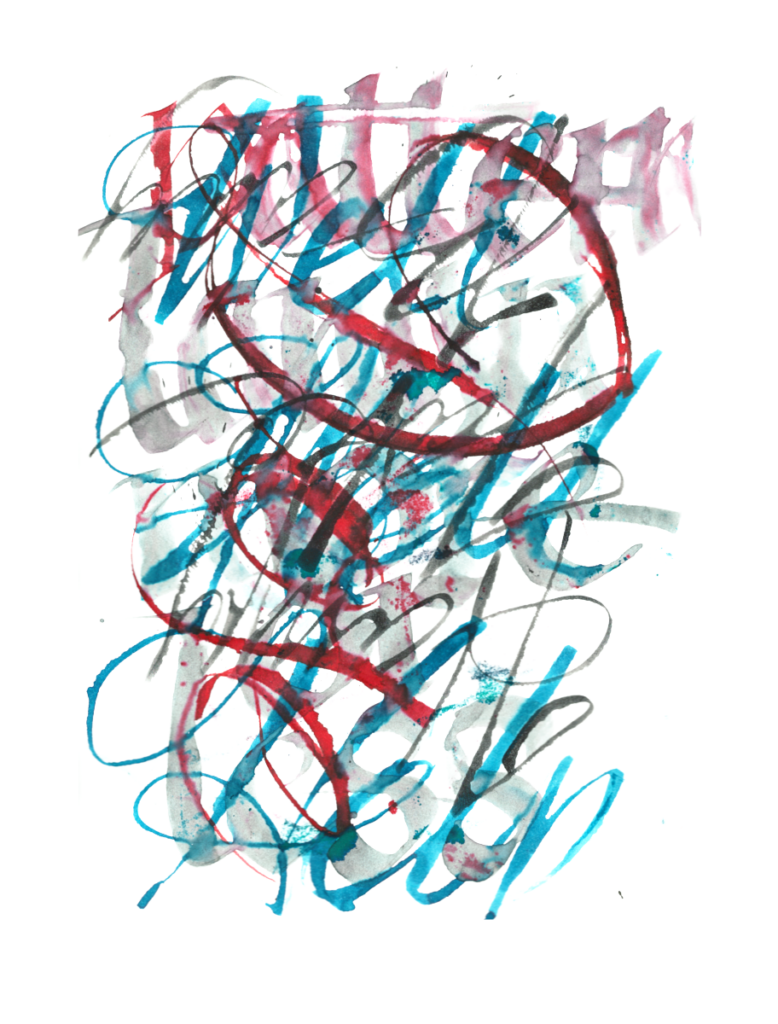
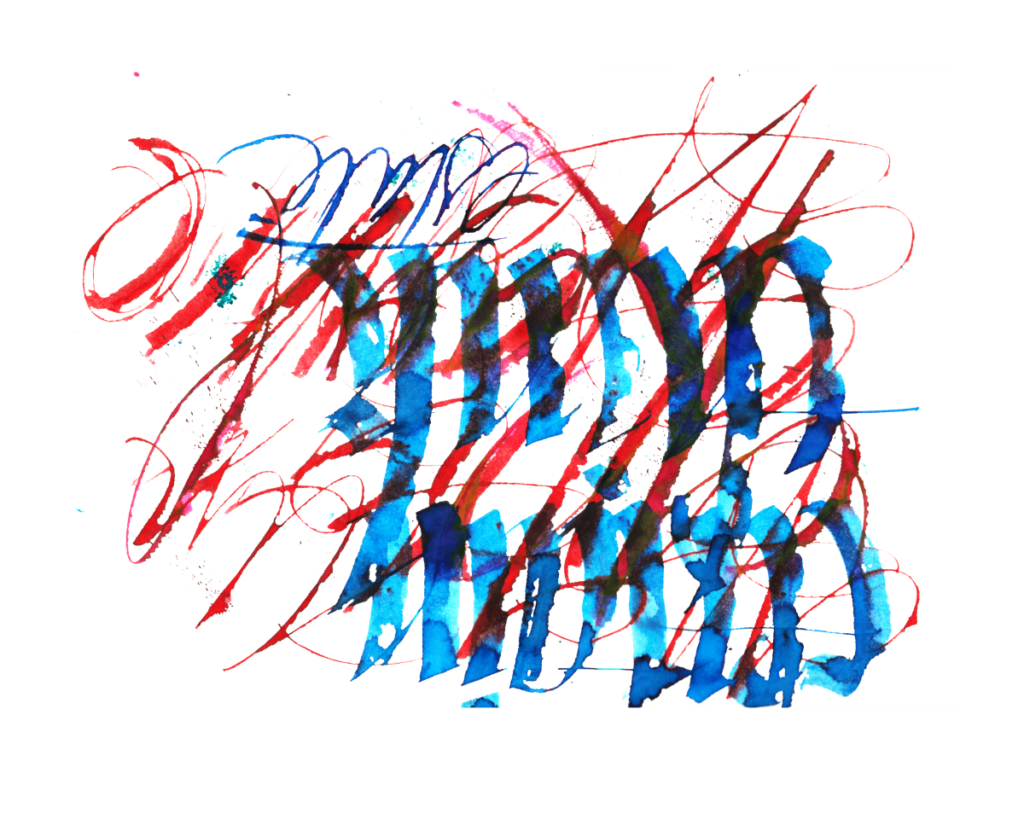
PPPPPS—Practice & Practice
,
—August 2025
.