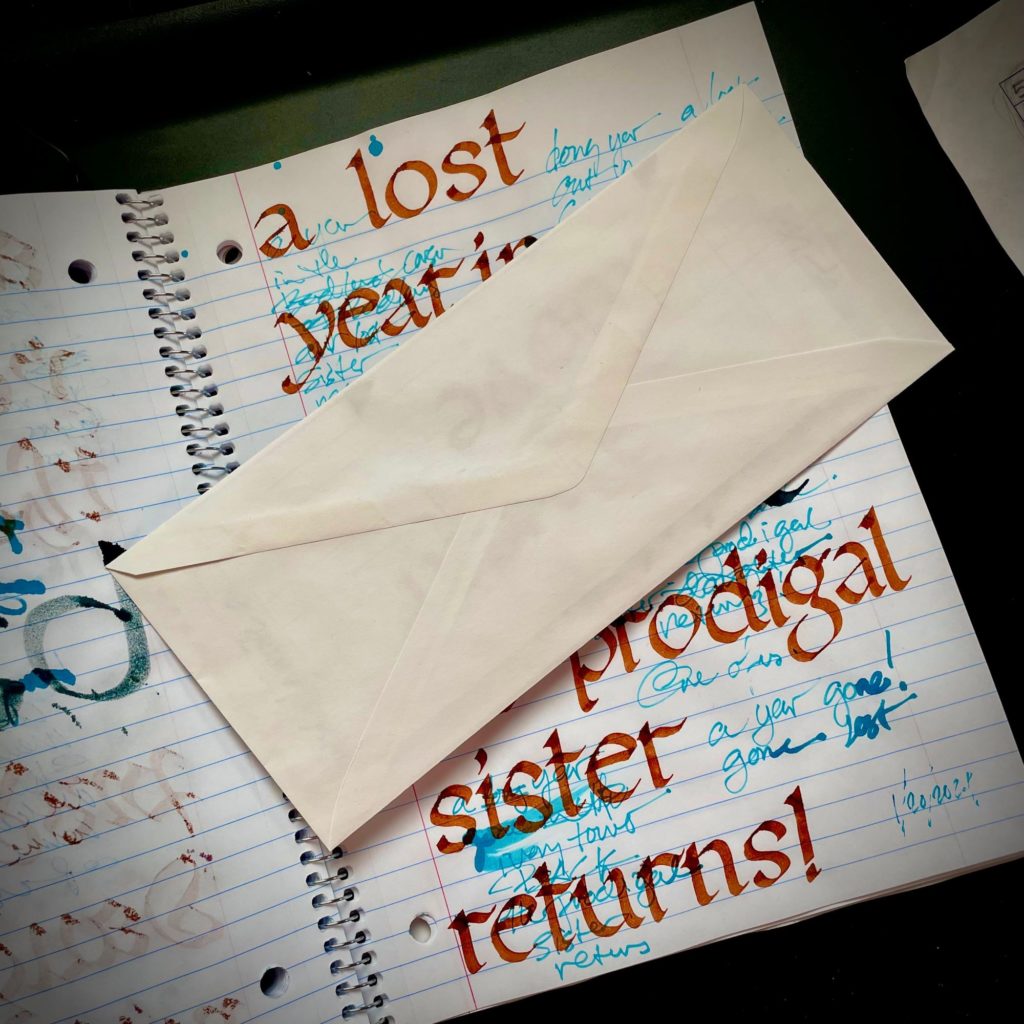
In January, I wrote a letter to a colleague who is rejoining to our team. Selfishly, I’m excited that she returned.
This was my first tiny poem-calligraphies to leave the house. It was also one of the last ones that I wrote.
It’s been a long 2024, and we haven’t even started the biennial budgeting season—that hits tomorrow.
,
,
,
,
,
,
Unfortunately, my publication schedule will continue to be sporadic. After we get our budget season assignments, it’s off to the races through June.
Beyond the increasing workload, it has been a tumultuous time for our team. Hopefully things will settle down, but it’s not surprising that my Commute Music project has stalled on Black Sabbath and Blue Oyster Cult over the past month.
I just started moving again with Blue Mitchell. Yes, I’m slightly out of alphabetical order. It was a necessary fudge.
Hopefully I’ll get another post out in May, and then June, but frankly it’s been all about work for the past quarter. I’ve already told my supervisor that I’ll try to keep up the pace up through July 1st, but after that it stops.. (He’s the best boss I’ve had, but we’re all going through it together). Maybe I’ll breathe again.
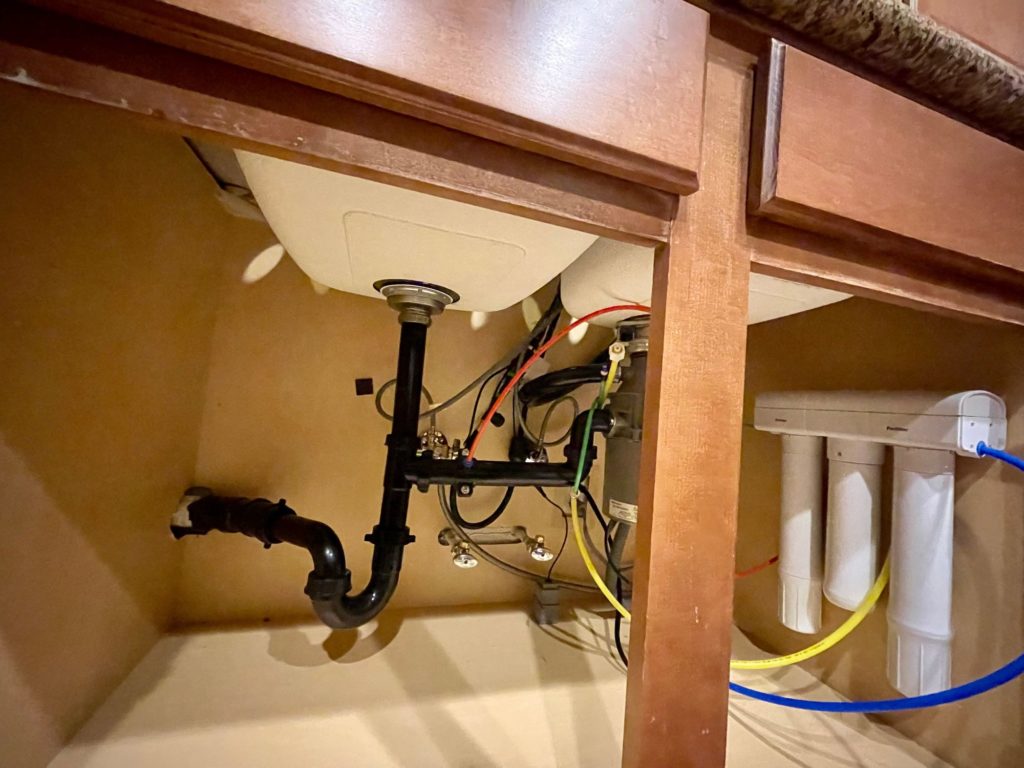
When buying the house we agreed to address a few minor plumbing issues. Easy enough to do during the negotiations, but the work still had to be done. We changed the innards for two of our toilets, switched faucet stems, and installed a new kitchen sink with our own RO filter.
That sink took three days, five trips to Home Depot, and a couple angle stops.
Yes, hiring a plumber would have been more sensible but I learned stuff and enjoyed the challenge (aside from multiple trips to the hardware store!)
Shoutout to YouTube…there’s no way I would have started this project without all those tutorials. That site is the greatest DIY reference library ever assembled. It has so many videos for every task, with a myriad of angles and opinions.
I hope more folks make use of this empowering free resource. Simple repairs are one of the easiest ways to earn a feeling of accomplishment on a weekend afternoon.
,
,
,
,
,
,
David Auerbach, Carols in the Caves
The sound engineers tried to capture the essence in being a massive cave, but the whole album sounded distant. Everything felt flat.
This might be a good holiday background album, but does not have presence as the central audio feature for a drive.
The album cover looks great.
Babyland, You Suck Crap
Last week, I complained about noise. This one is all about noise, but I had fun.
Sampling a multitude of instruments (and implements) gave the audio palate an enjoyable richness. I suspect growing up with electronica and hip-hop makes me prefer variety when getting bashed over the head.
I wish I had detailed memories of attending that concert with my landscaper colleague. Sadly, I just don’t remember much from such events. A few visual flashes and a plastic disc is all I have from 20 years ago.
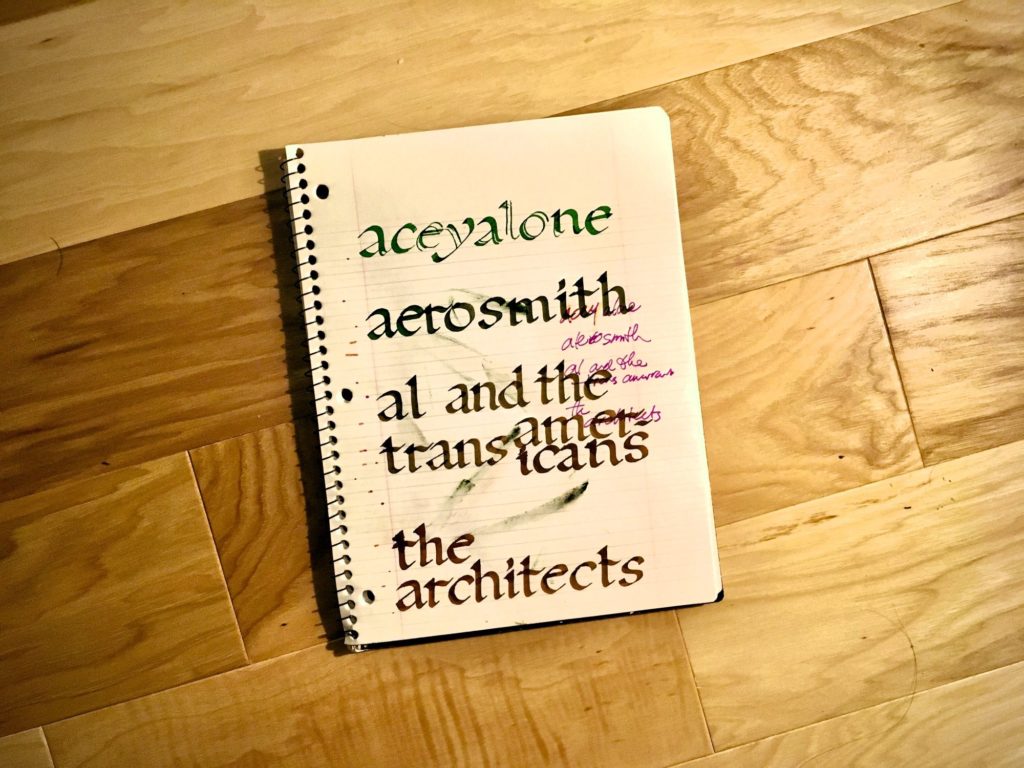
Elevate, The Architect
While looking up this album last week, I learned about the genre “Math Rock“. I had to give it a second shot now that I know “It is characterized by complex, atypical rhythmic structures (including irregular stopping and starting), counterpoint, odd time signatures, and extended chords.”
Still very noisy. Most likely still not my thing, but the architectural cover makes a lot more sense with the music behind it.
Am I enjoying this album more because I’m now aware that it’s supposed to be sophisticated? Is the emperor clothed or nekkid?
The first week of the commute music project started well. I listened to Aceyalone twice before slogging through a lot of guitar noise.
Aceyalone, A Book of Human Language
I don’t know enough about hiphop to judge the rapping.
Clearly catered to art school nerds who want deep subjects and big words over late 90’s gangsta bling.
Love the sonic landscape, especially the bass riff in “the Hunt” (sampled Coltrane’s Ole).
Aerosmith, Classics Live!
Following the complexity of Aceyalone, this was a wall of noise.
Lots of electric guitars and distortion. Is this rock? I’m listening to too much jazz.
Thoughts of youth culture, what will my daughter think of the pop characters of her childhood when she’s in her mid-40’s?
Al and the Transamericans, Analog
Plenty of electric guitar, but not as frenetic.
More melodic and borrows from old tunes and instruments. Very Americana, the banjo makes an appearance.
Slightly awkward, in a likable way.
Elevate, The Architect When writing this post, I found I had swapped the band and the album title. Oops, but I like having it on the first page of the binder.
More noise. I’m not built for rock.
I do buy things for the cover. In this case, the cover and the title. I’d do it again, even though this will be my one and only listen through this album.
Google image search led me to the Santa Maria della Grazie in Milan. When it works, the internet is amazing. Fun fact, the Leonardo Da Vinci’s Last Supper took 21 years to restore (1978-1999).
Bonus (?) Last February, I shared Ruthie Foster’s rendition of “War Pigs” to mark the first year of Russia’s latest invasion into Ukraine. October brought further horrors with Israel-Palestine. Let’s hope for better in 2024.
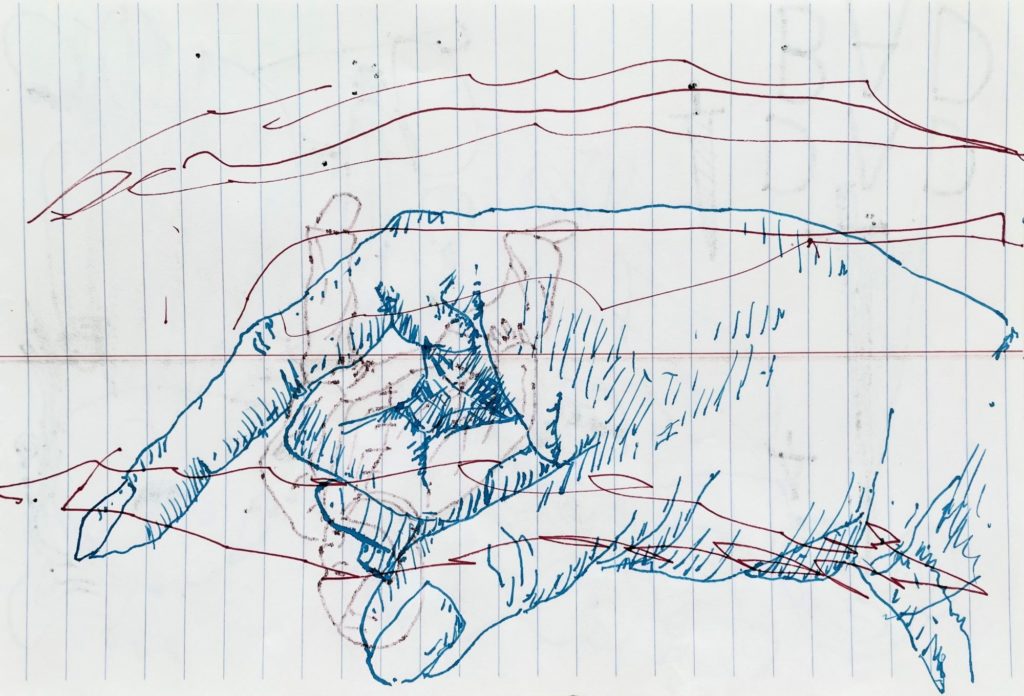
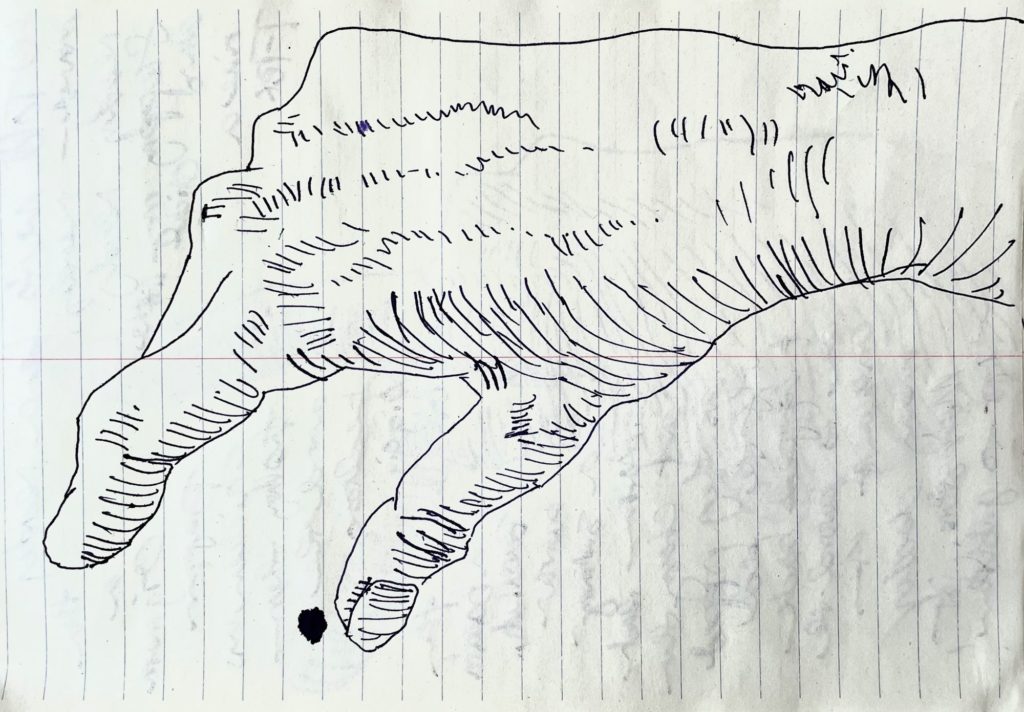
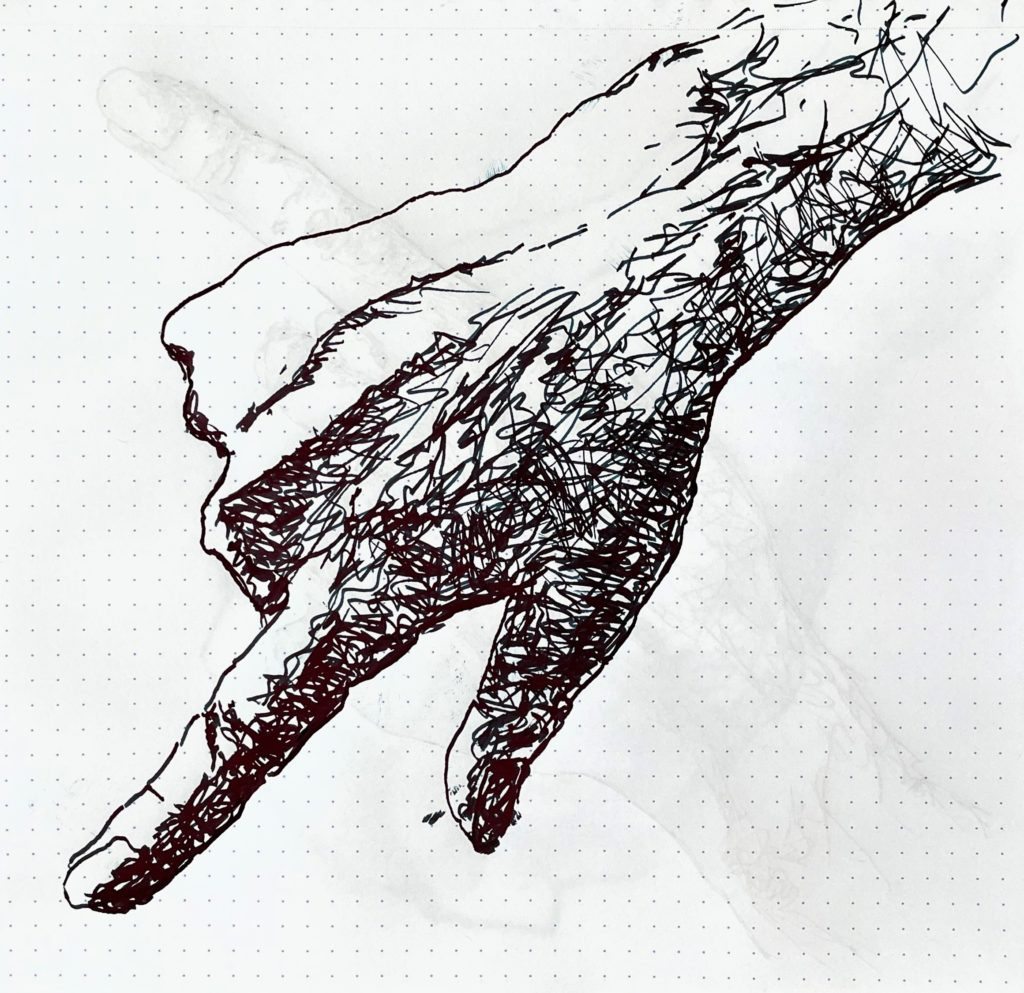
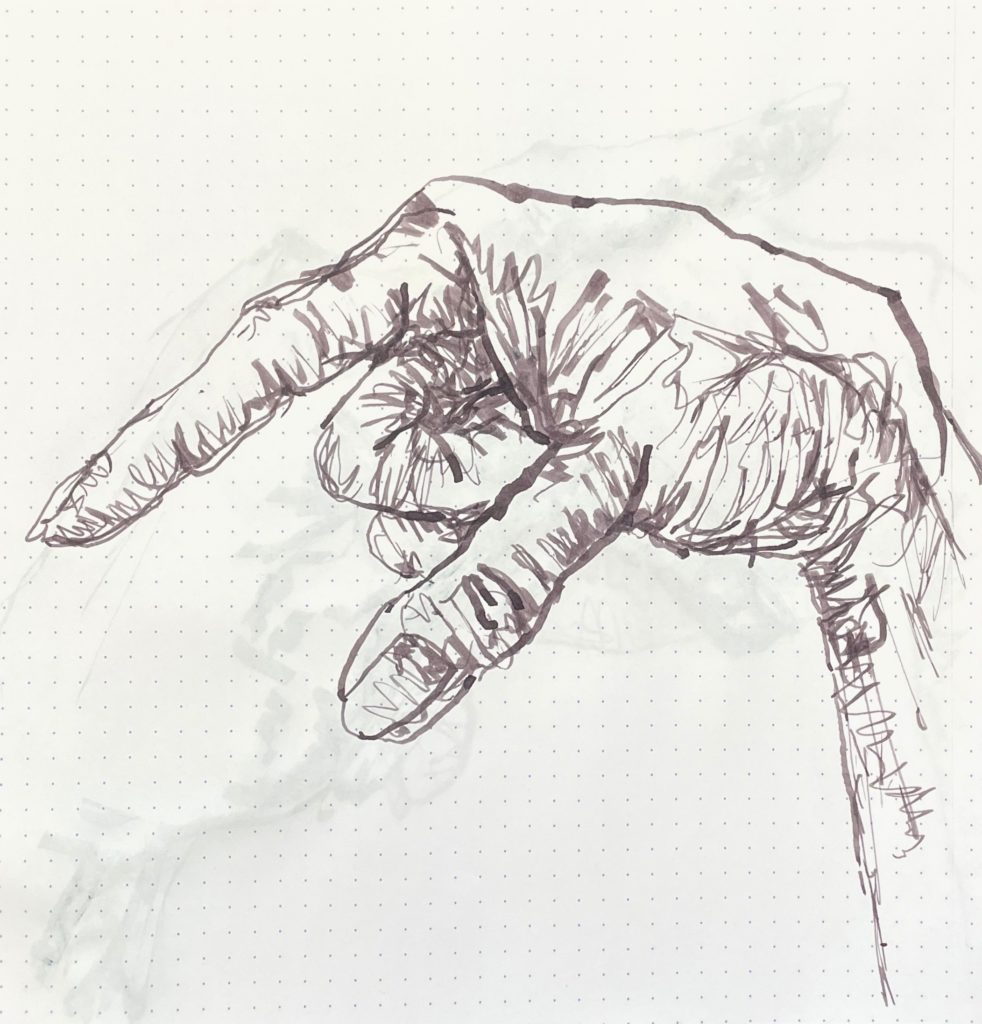
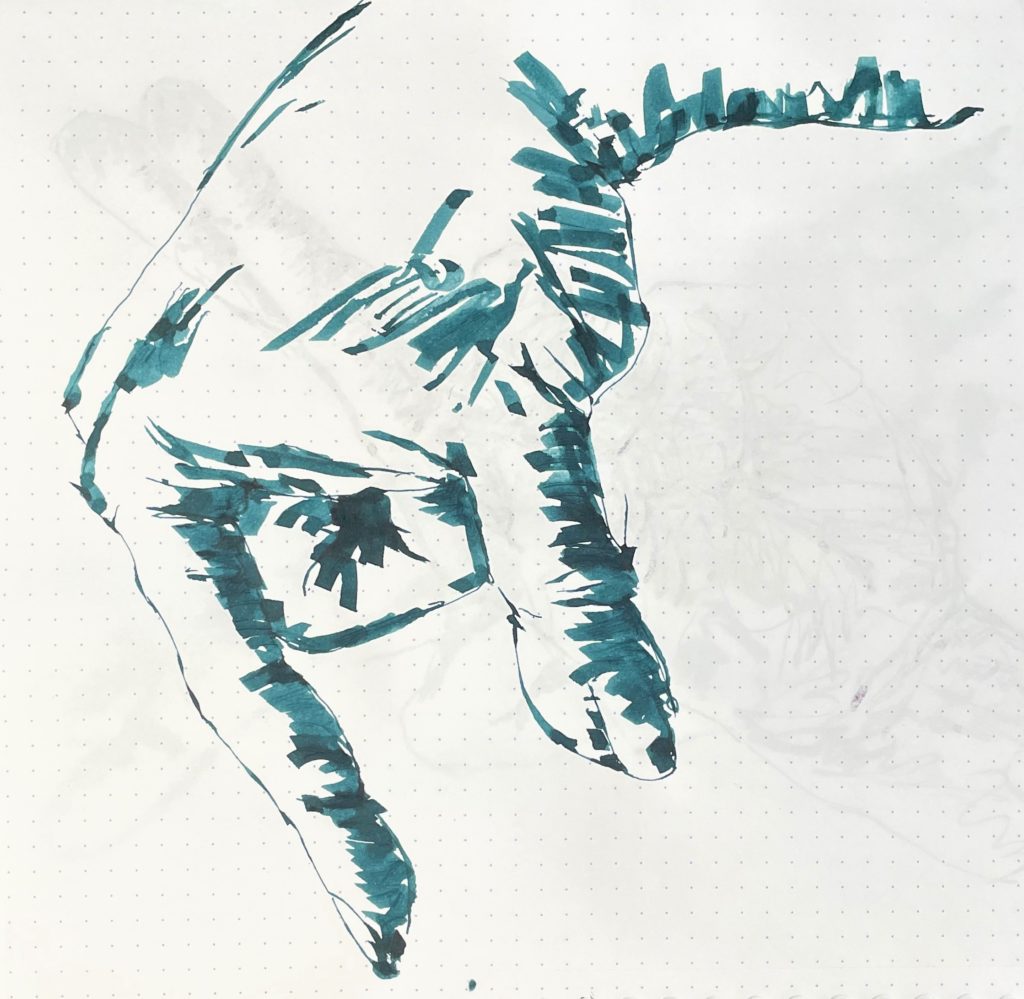
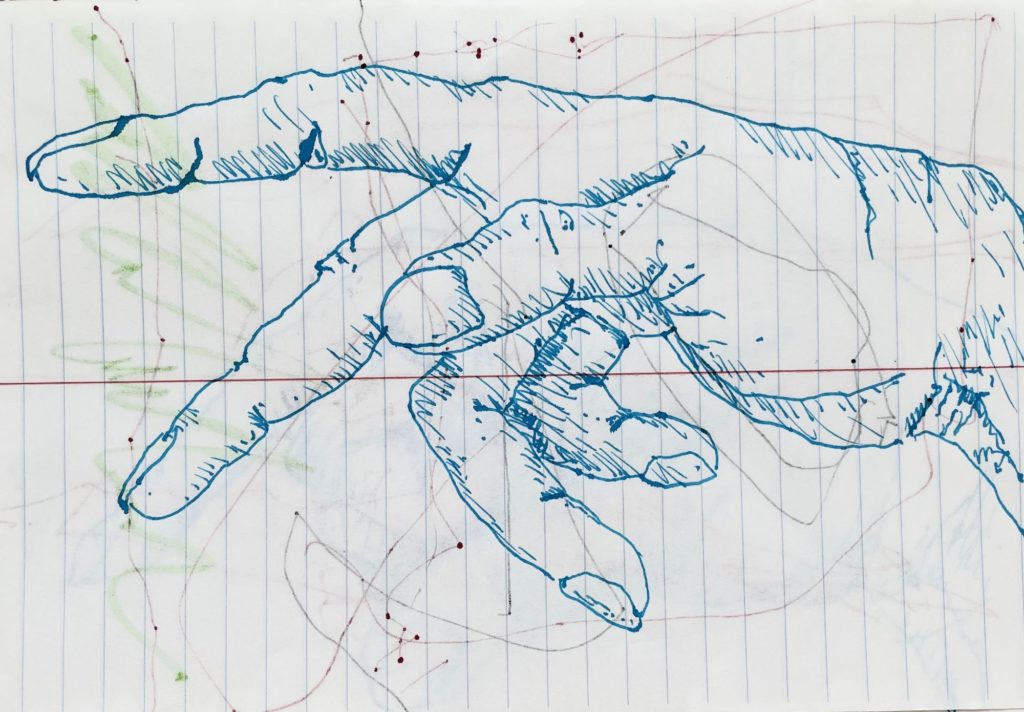
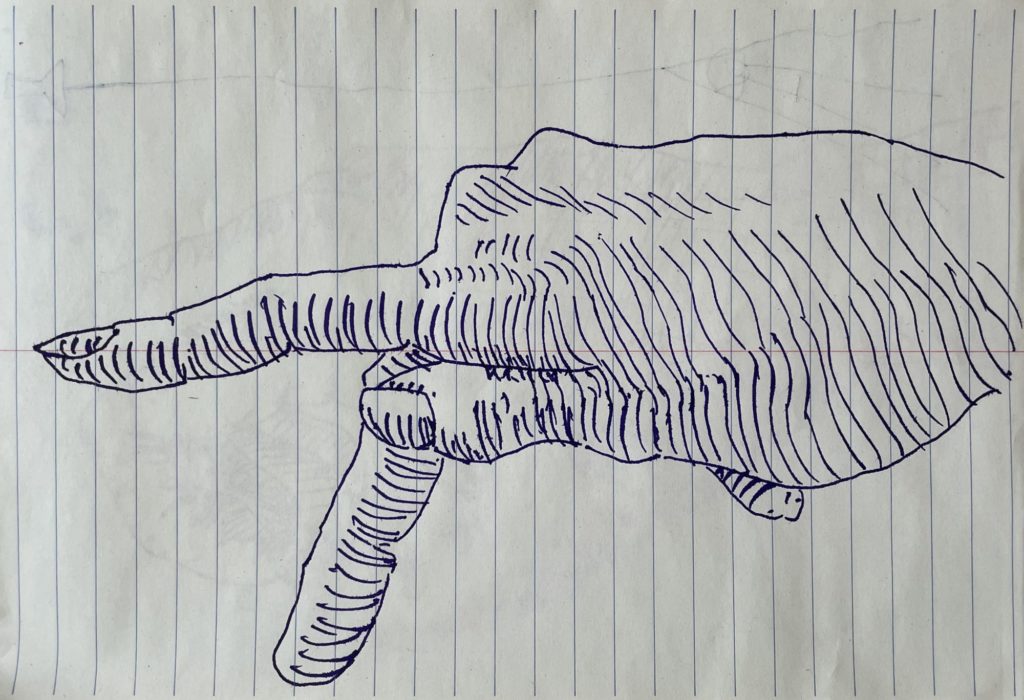
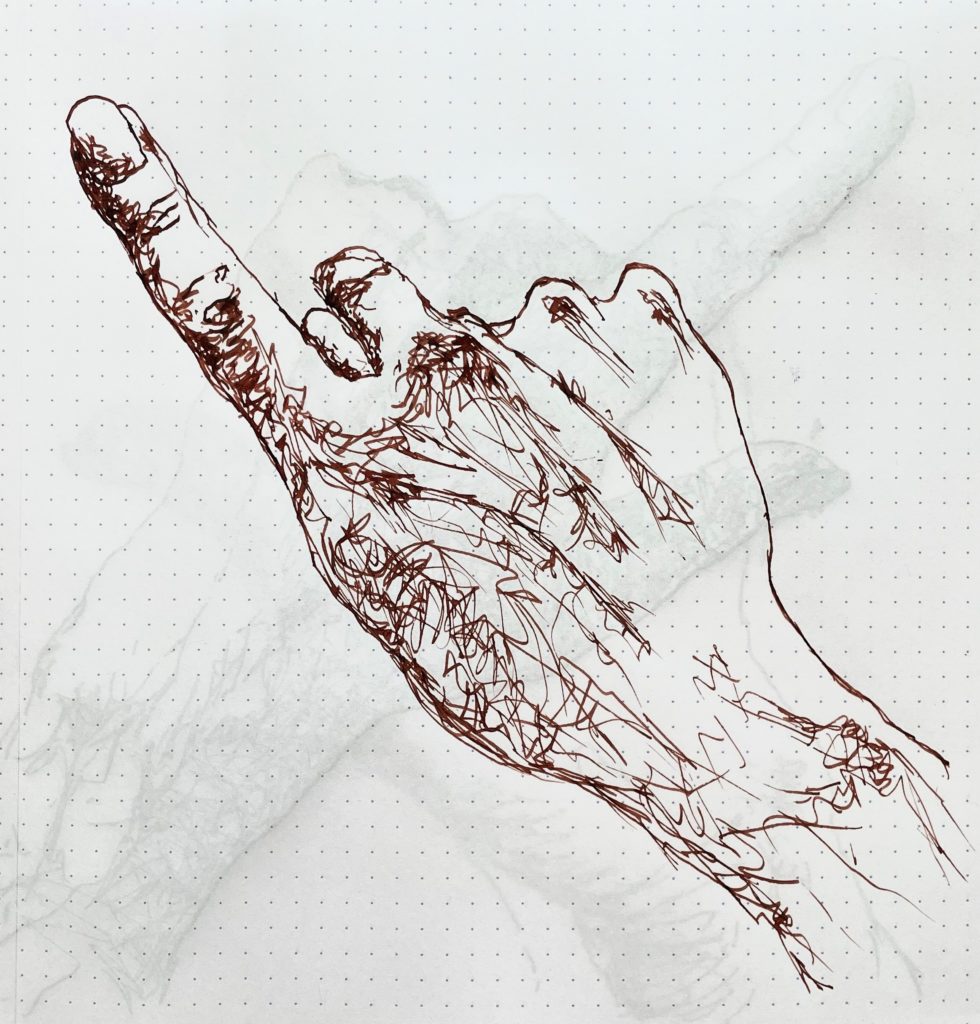
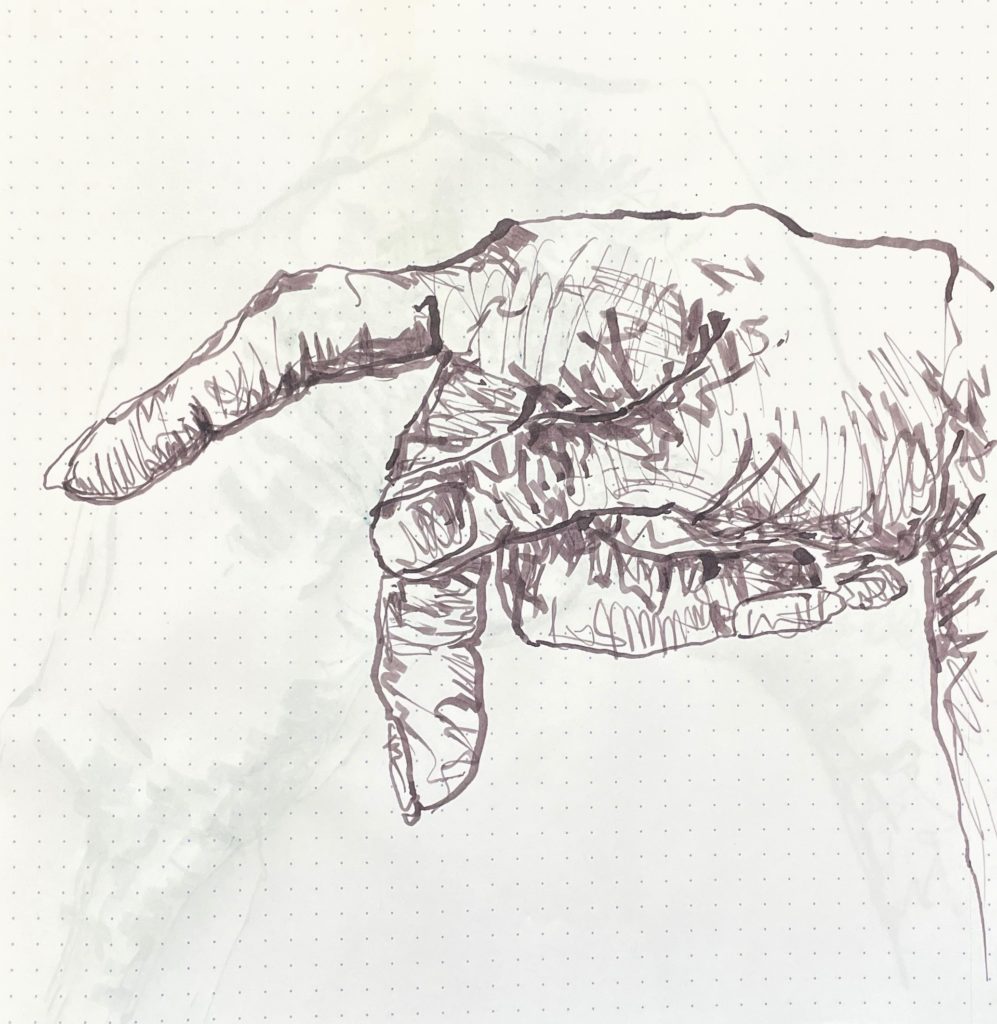
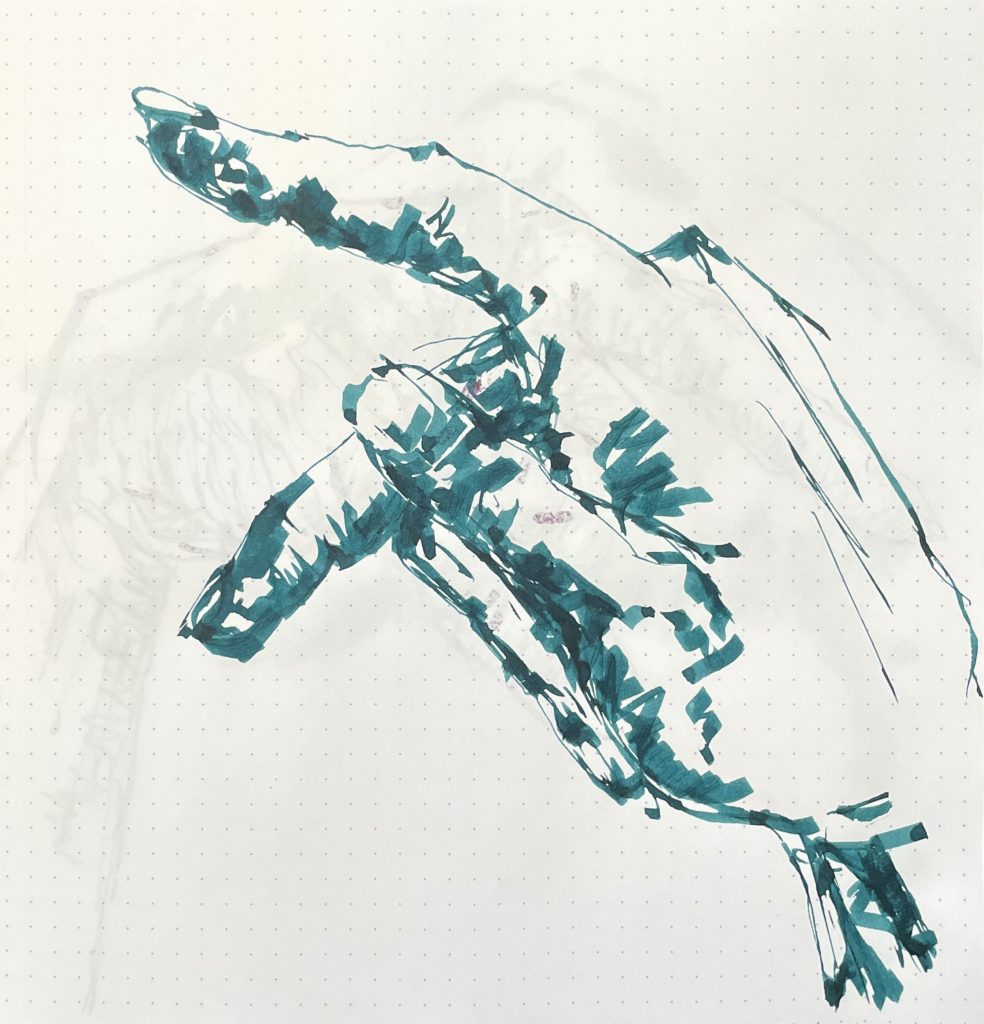
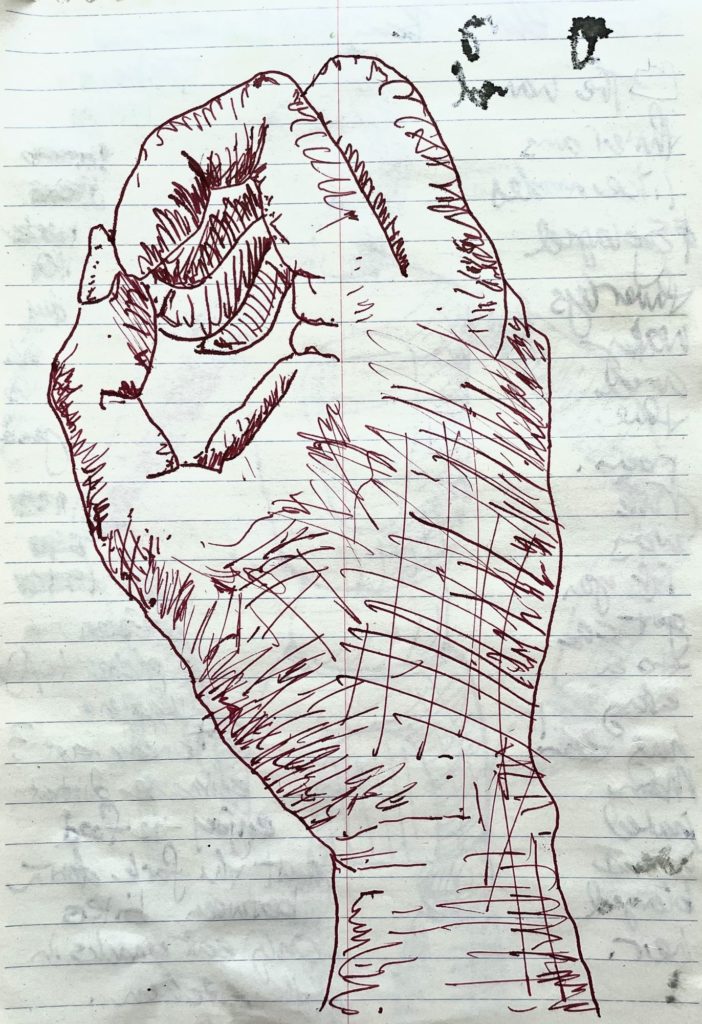
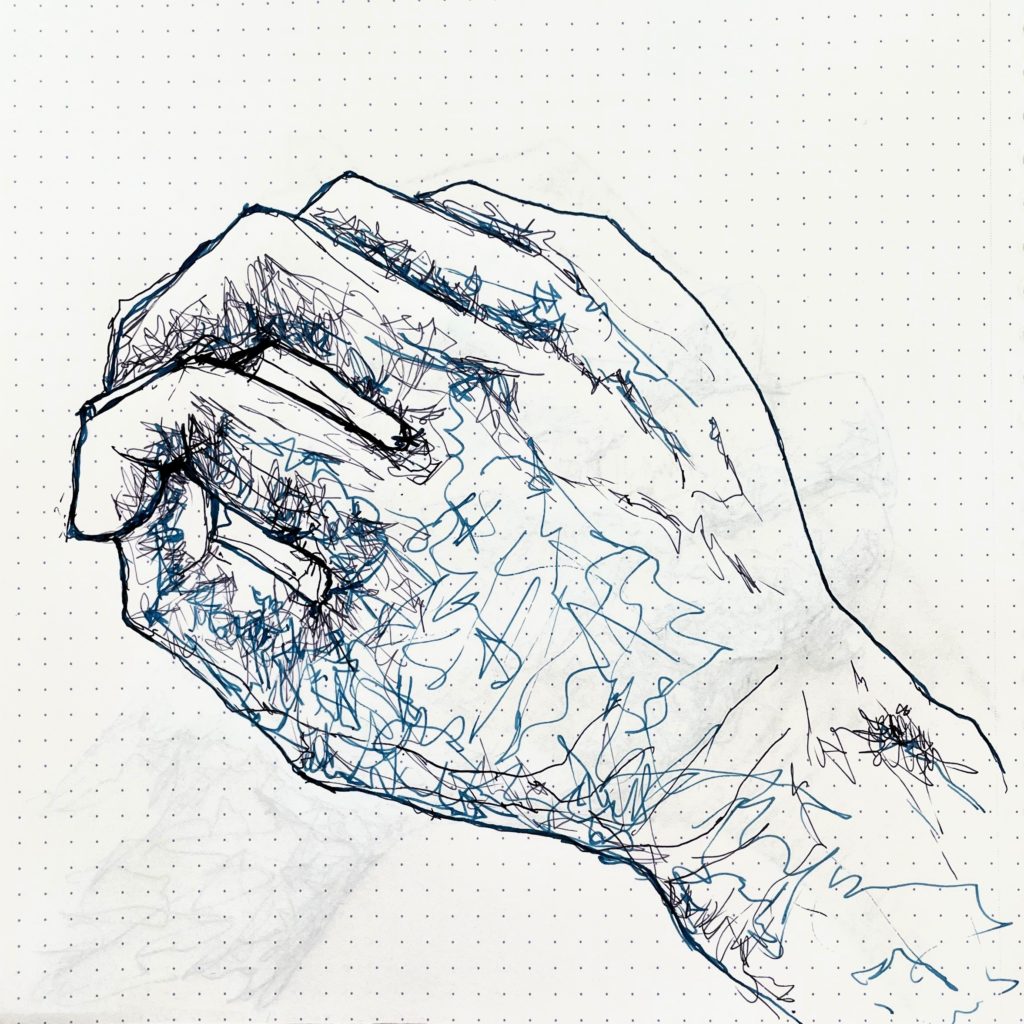
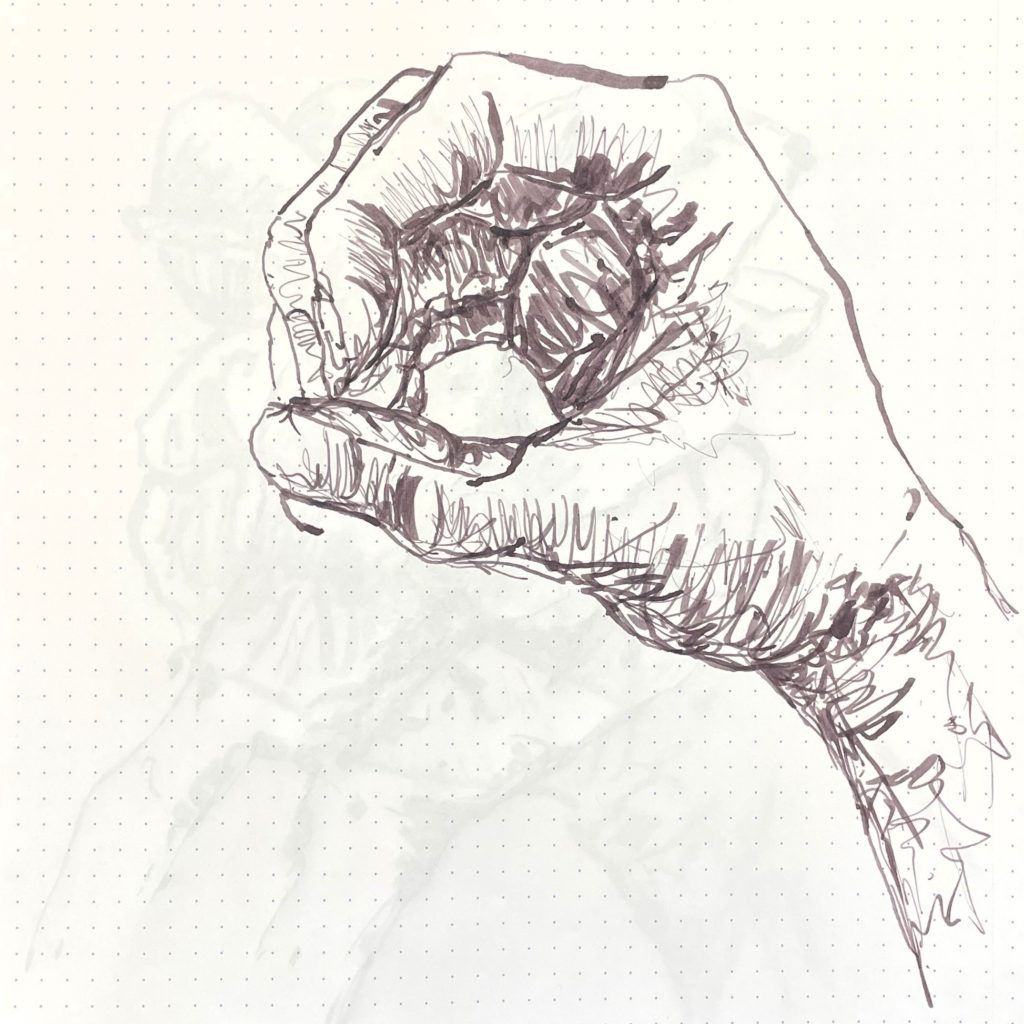
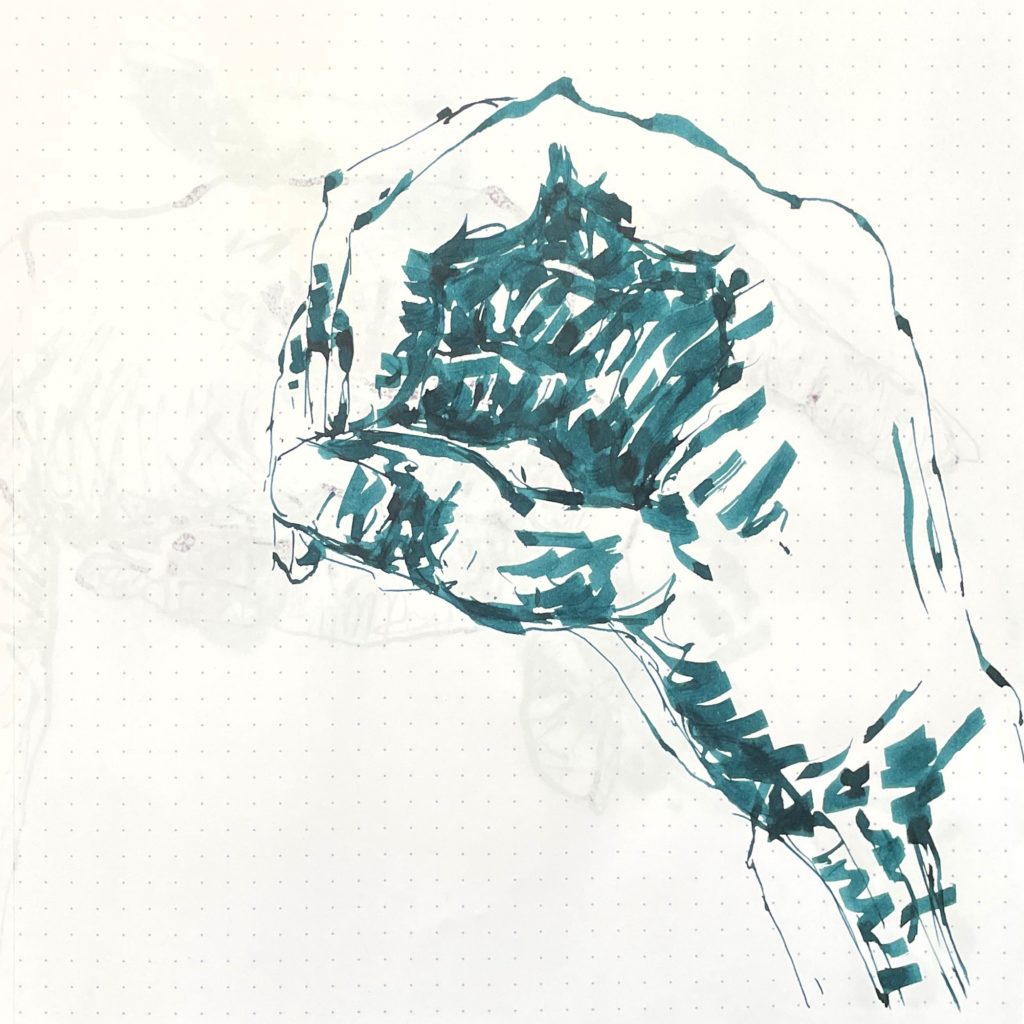
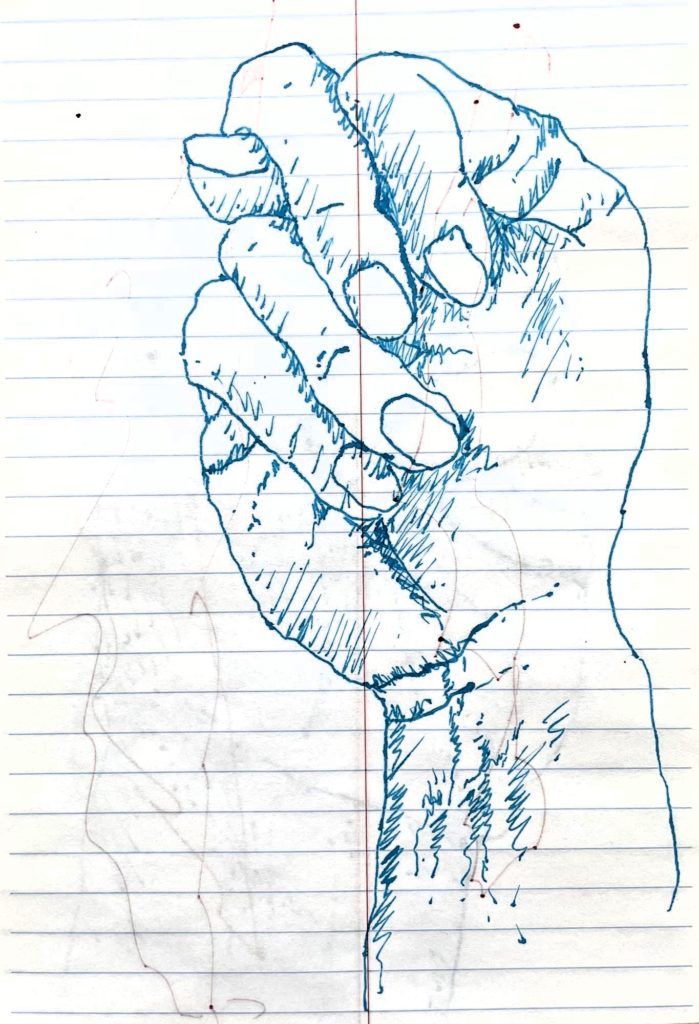
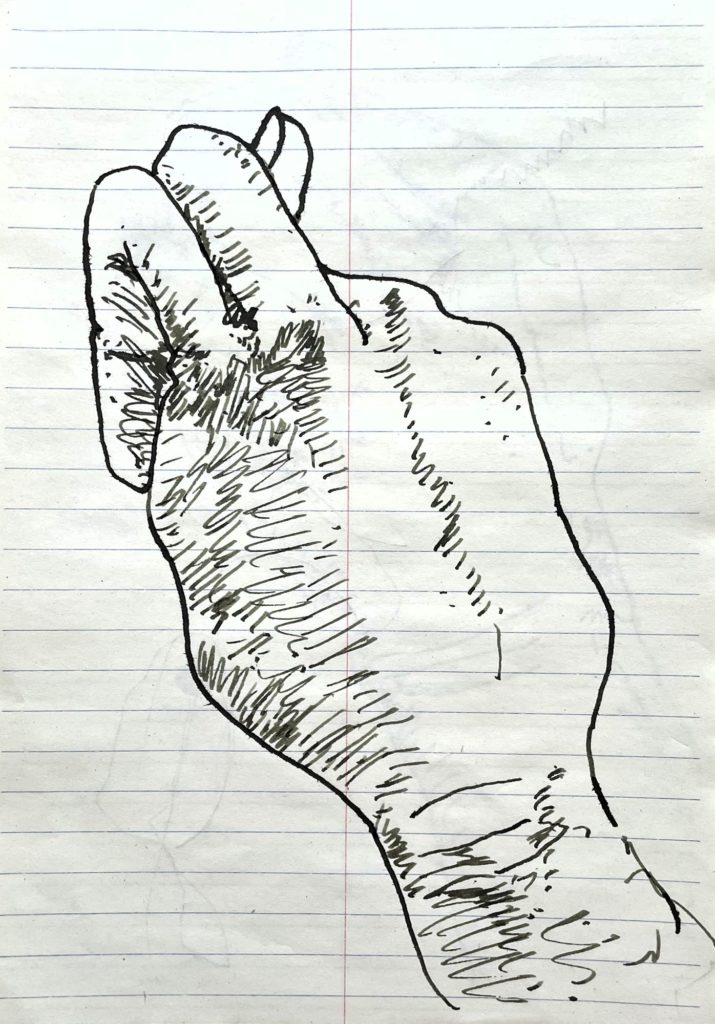
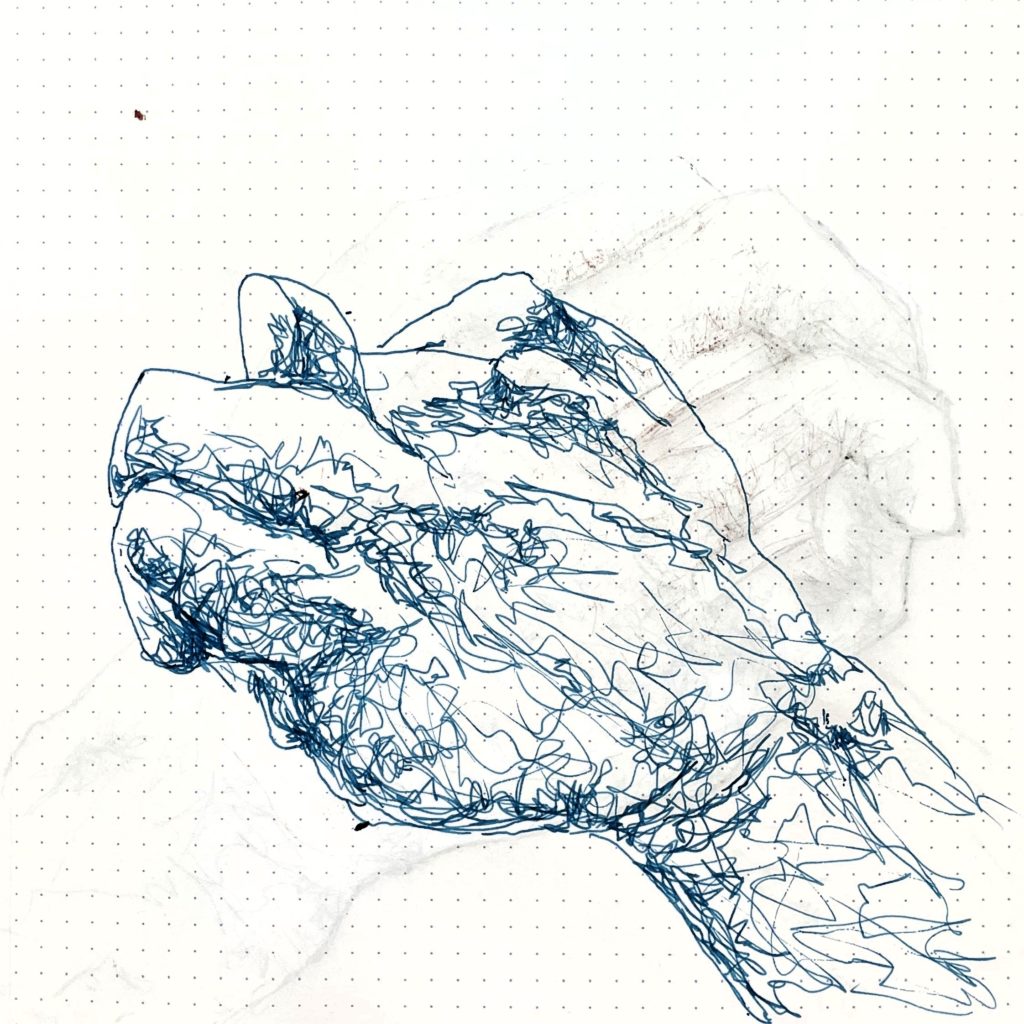
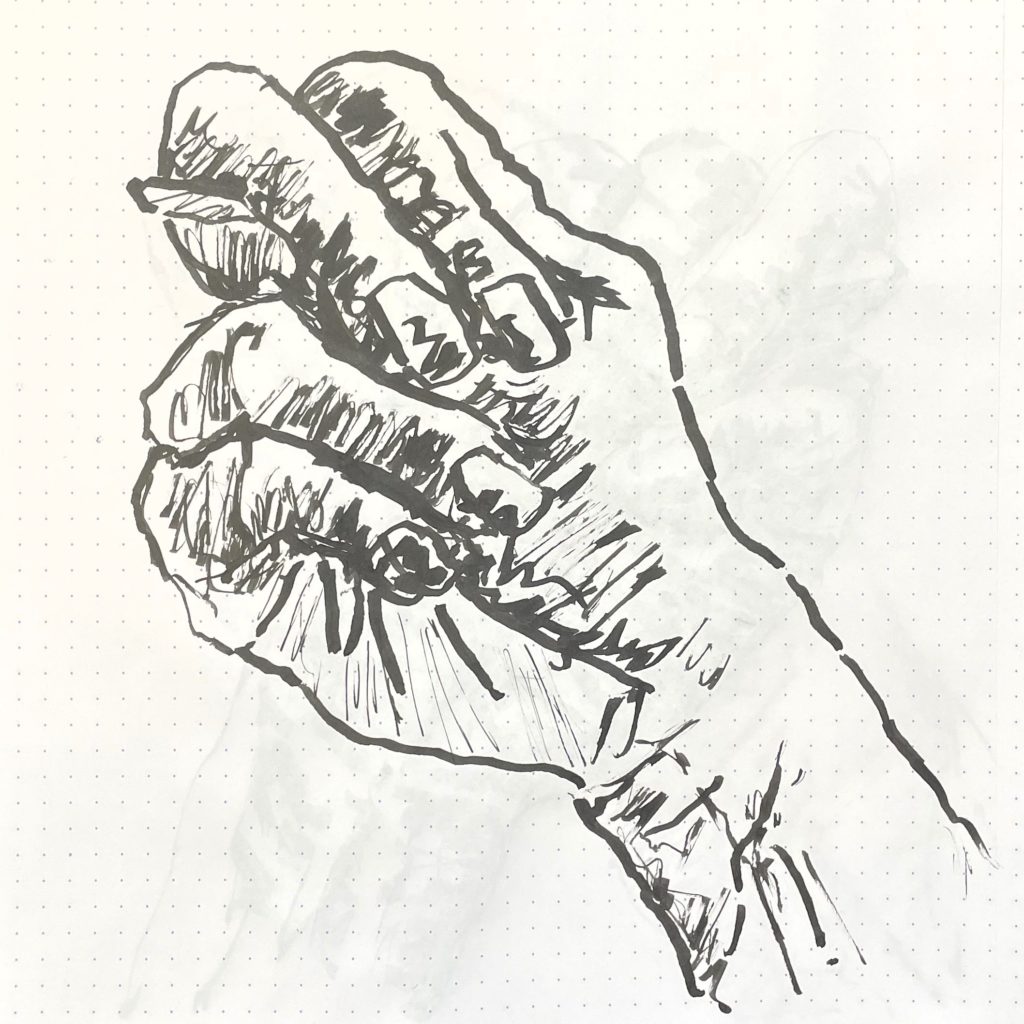
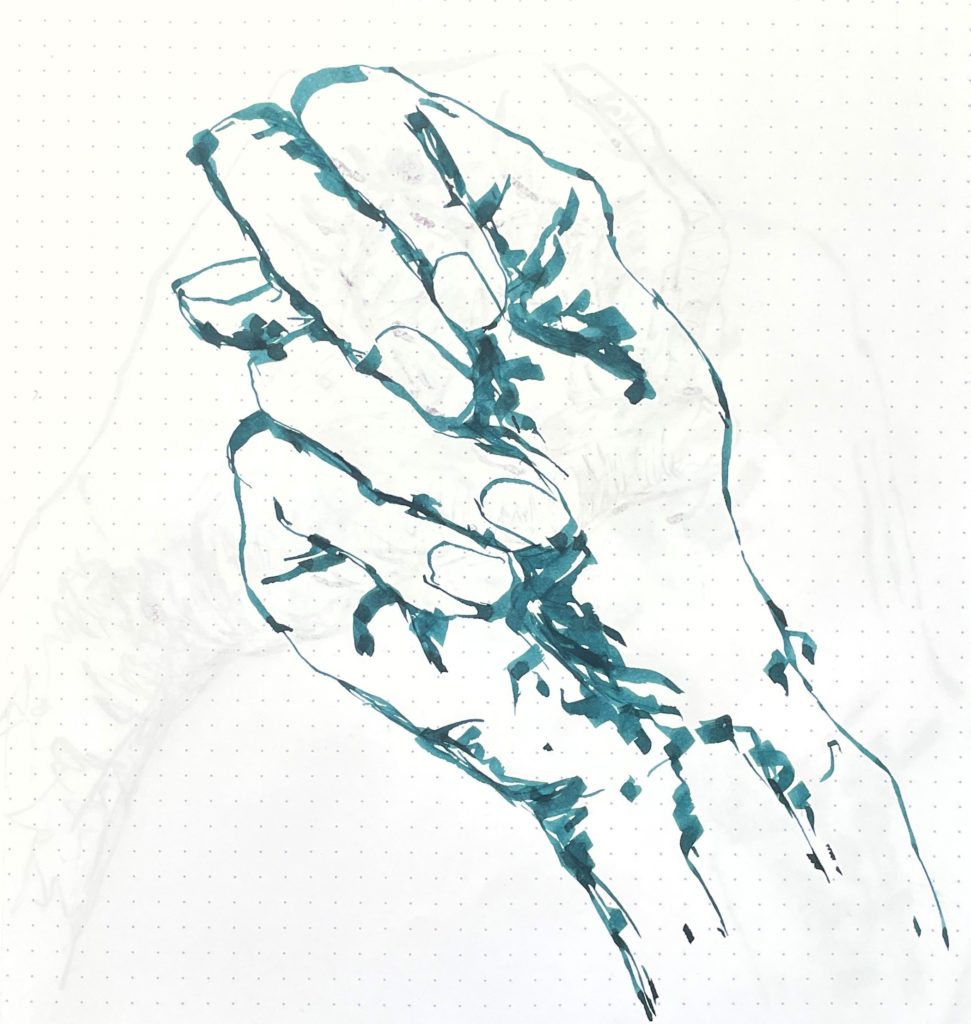
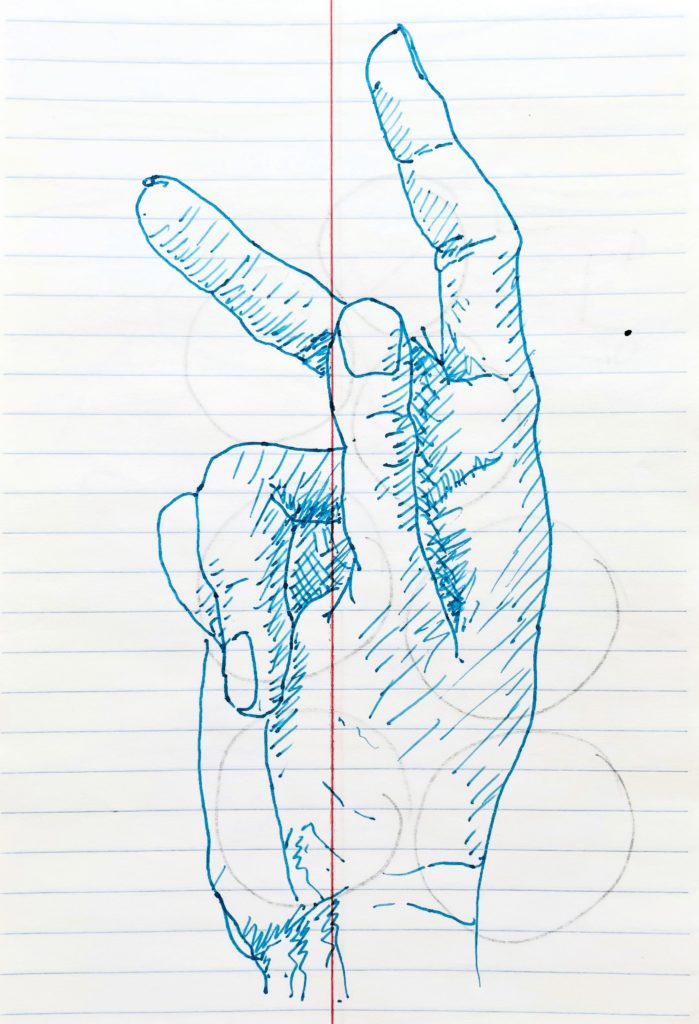
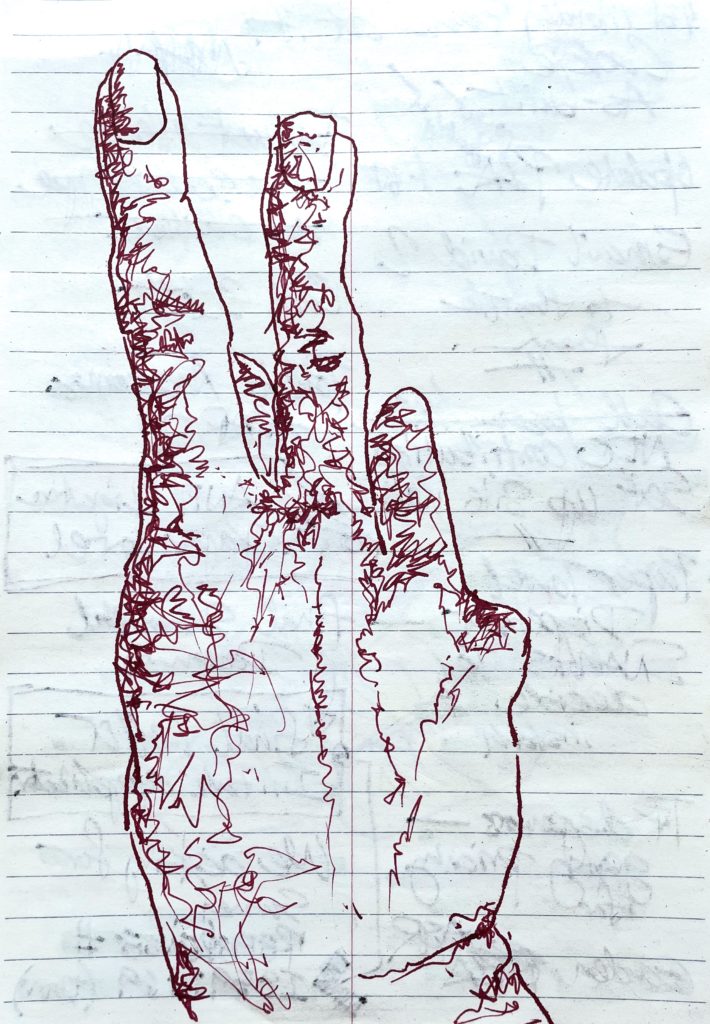
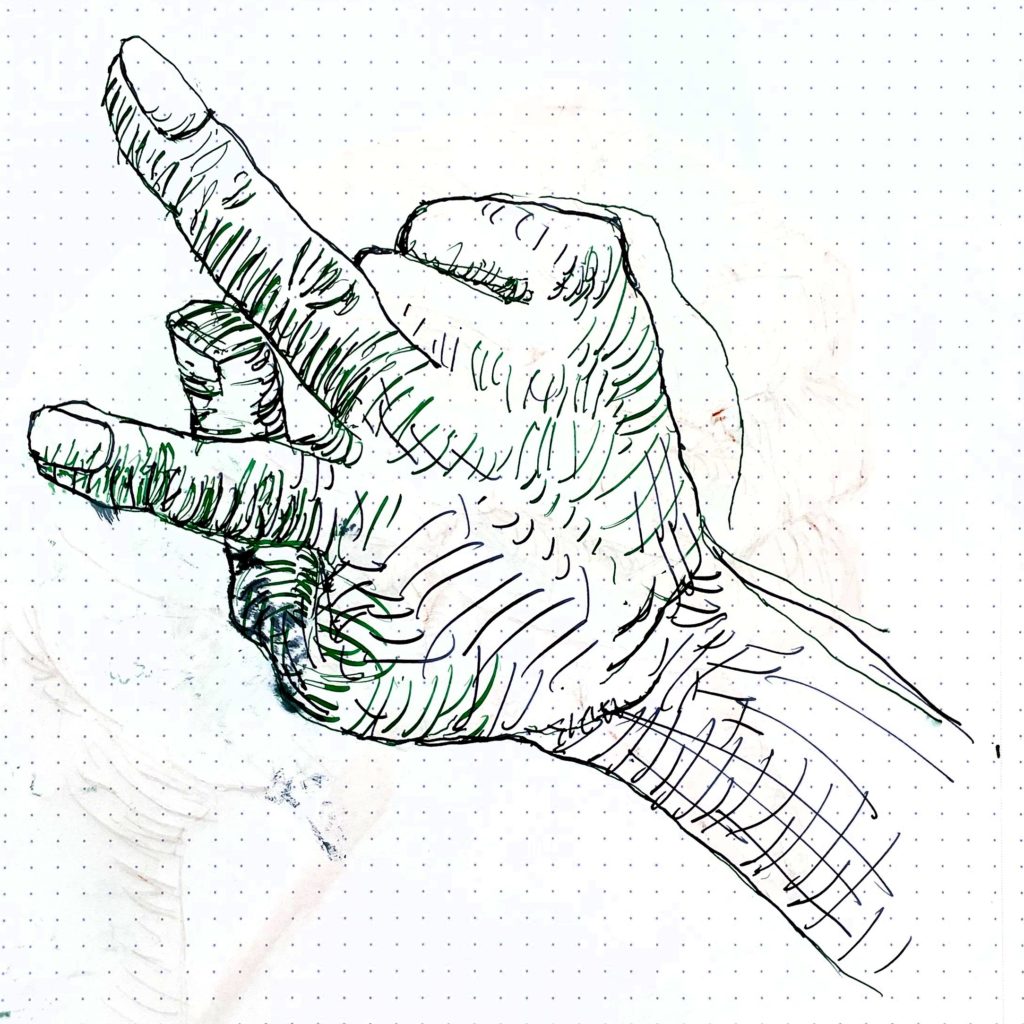
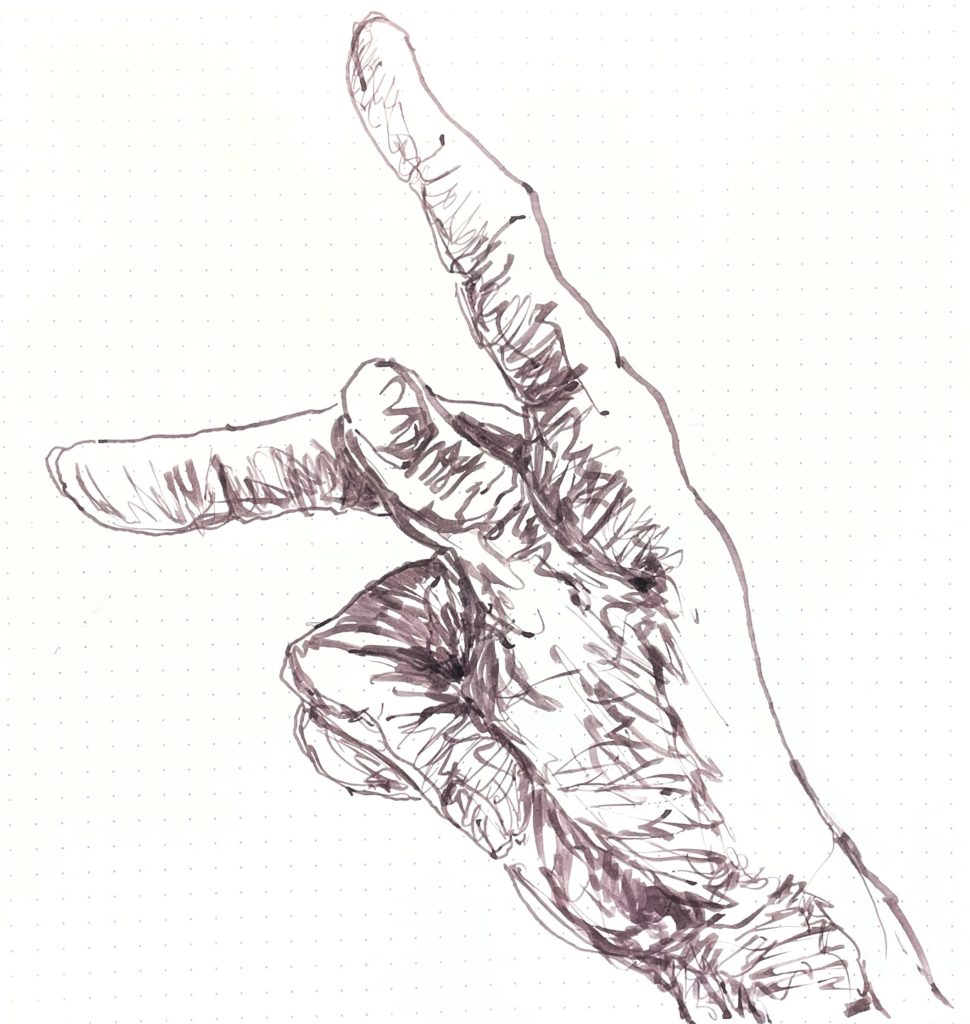
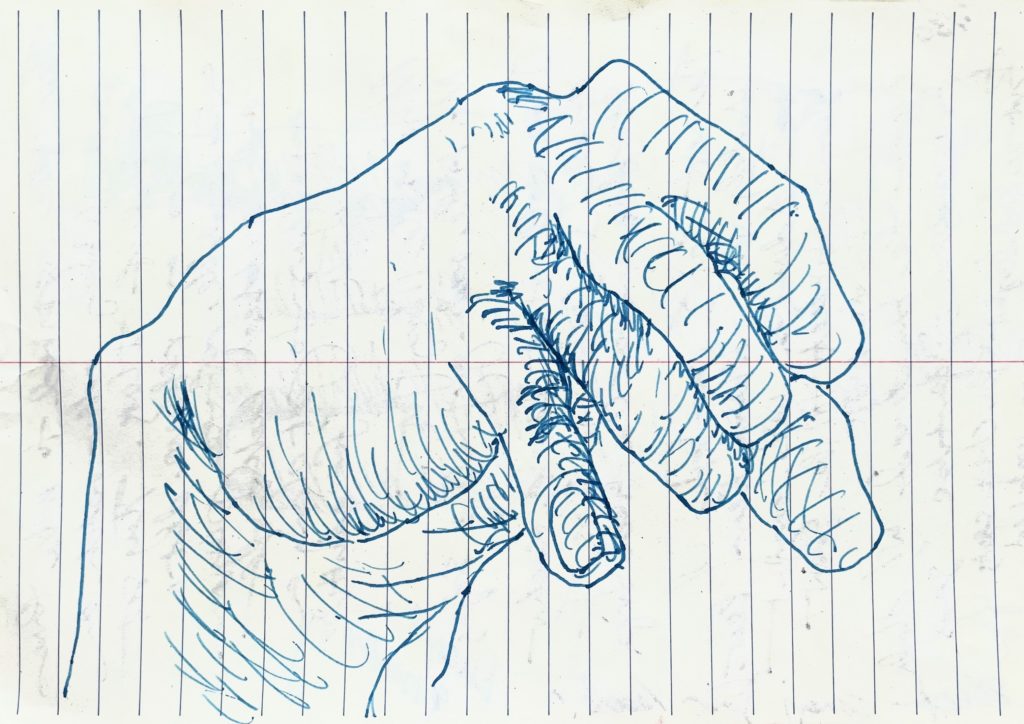
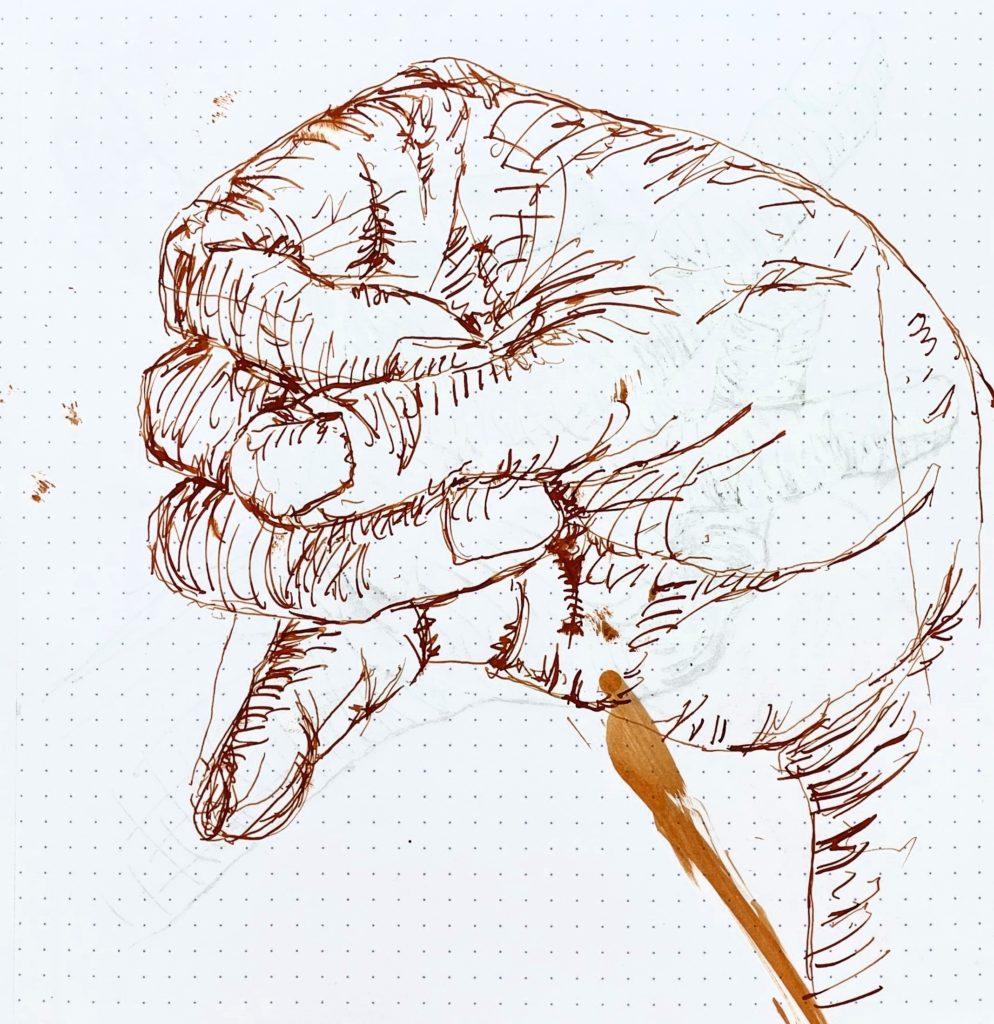
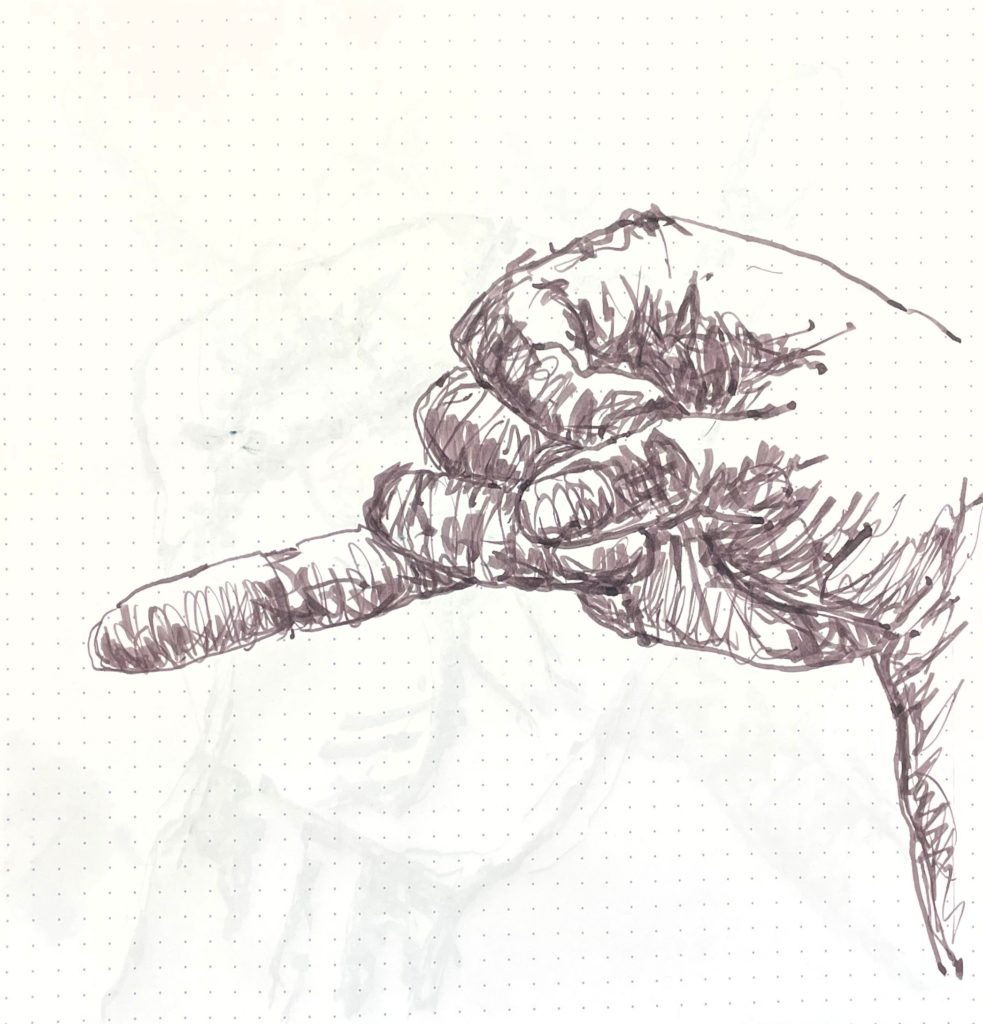
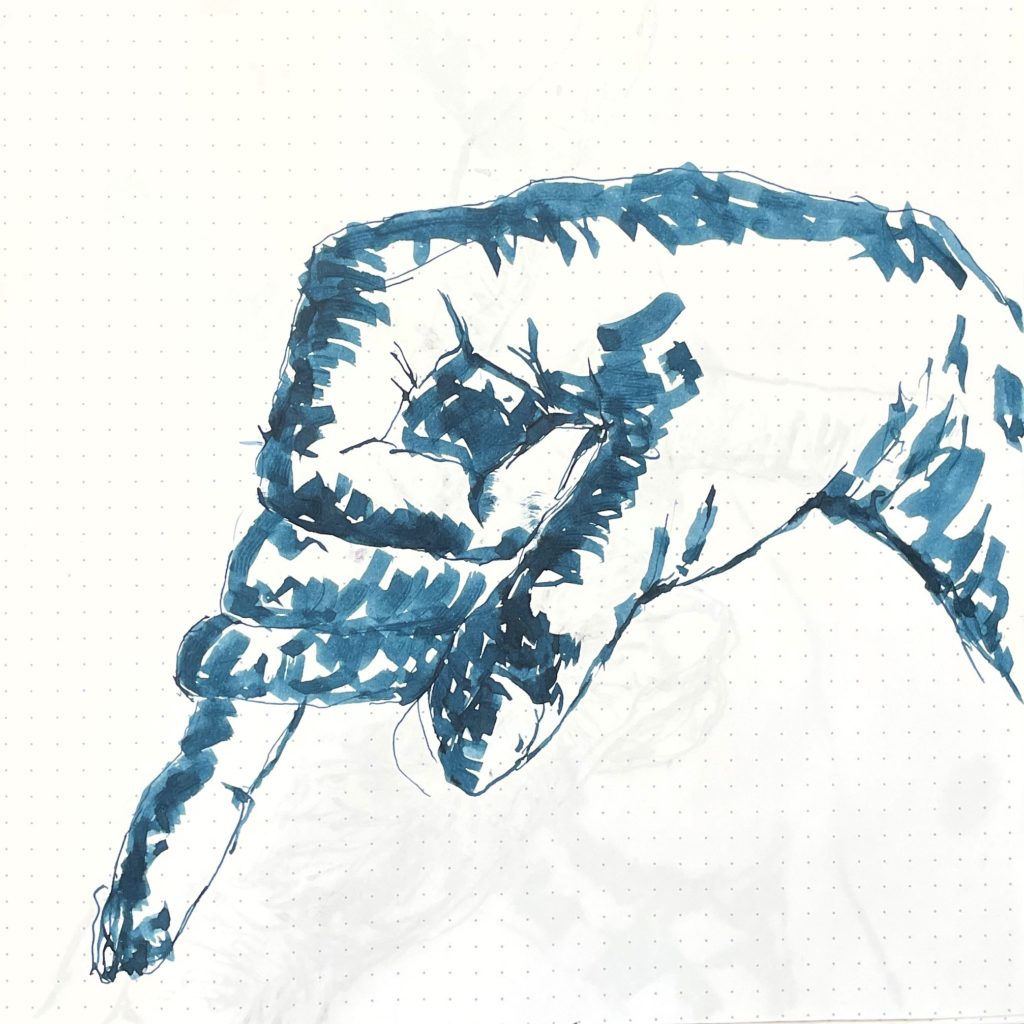
I’ve mentioned it before but thought this is worth repeating. I’m no fan of AI, but it’s appearance has unlocked my acceptance of imperfection.
It wasn’t a coincidence that I started drawing after two dormant decades after Dall-E and Midjourney hit the mainstream in 2022.
Before this happened, I would have guessed that generative AI images would finally smothered the last embers of my interest in drawing.
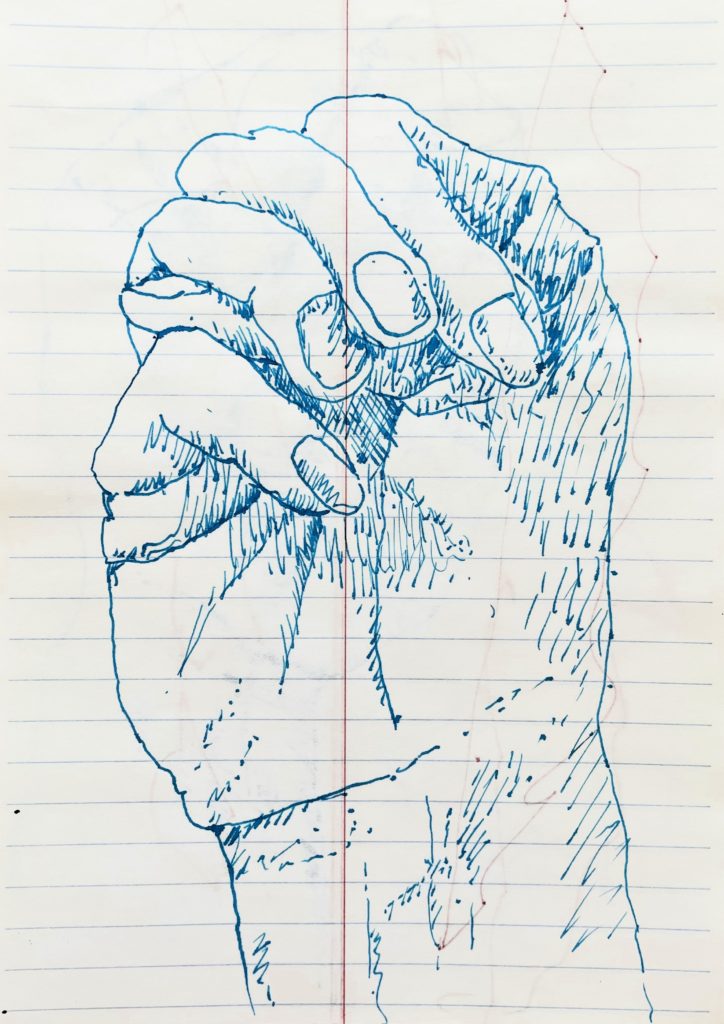
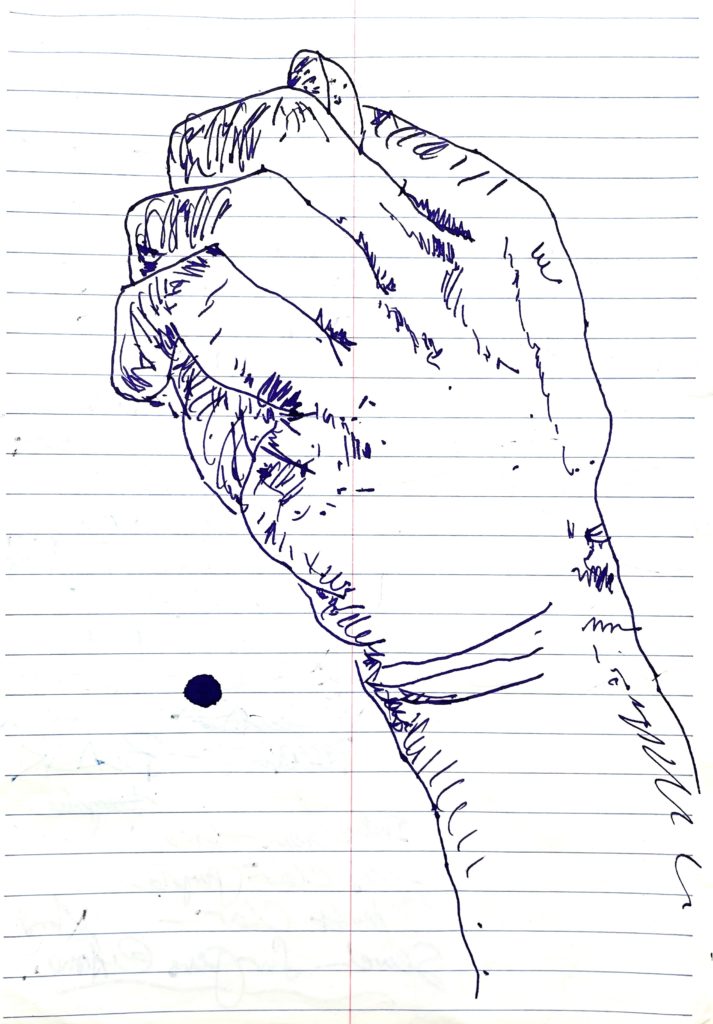
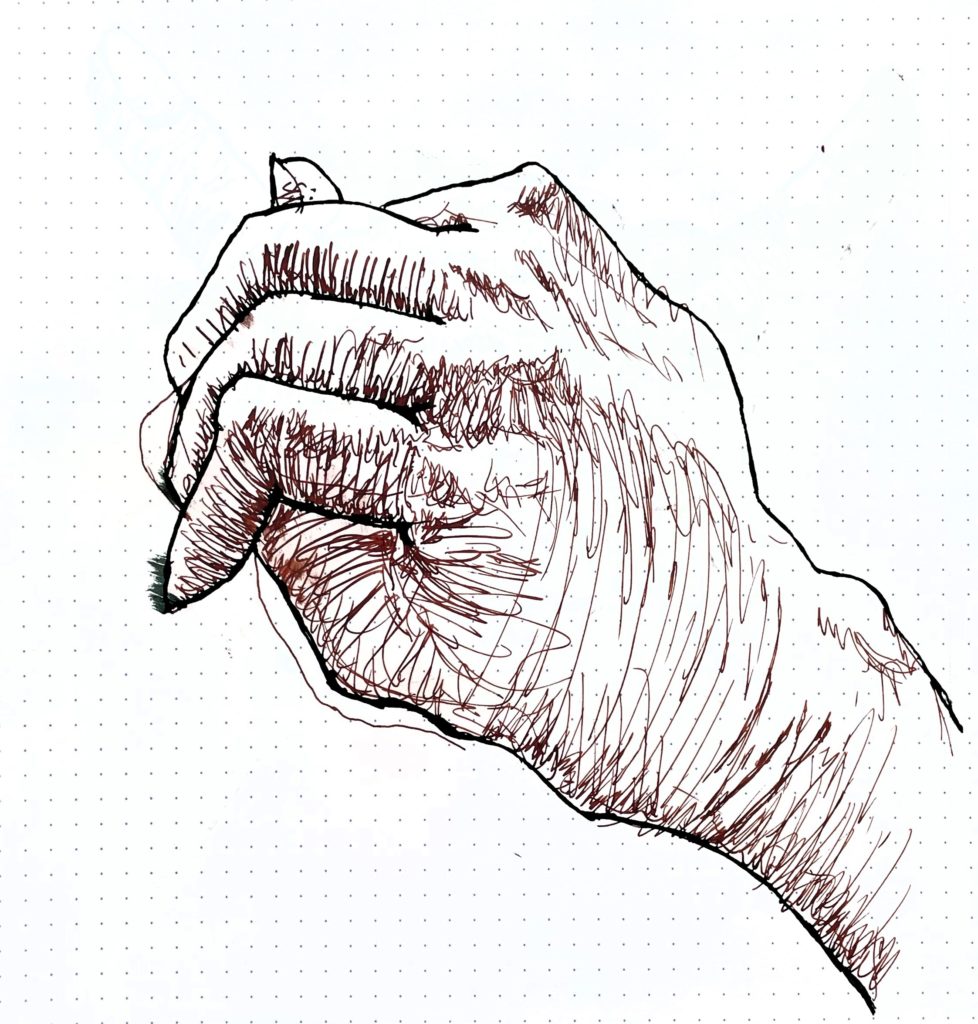
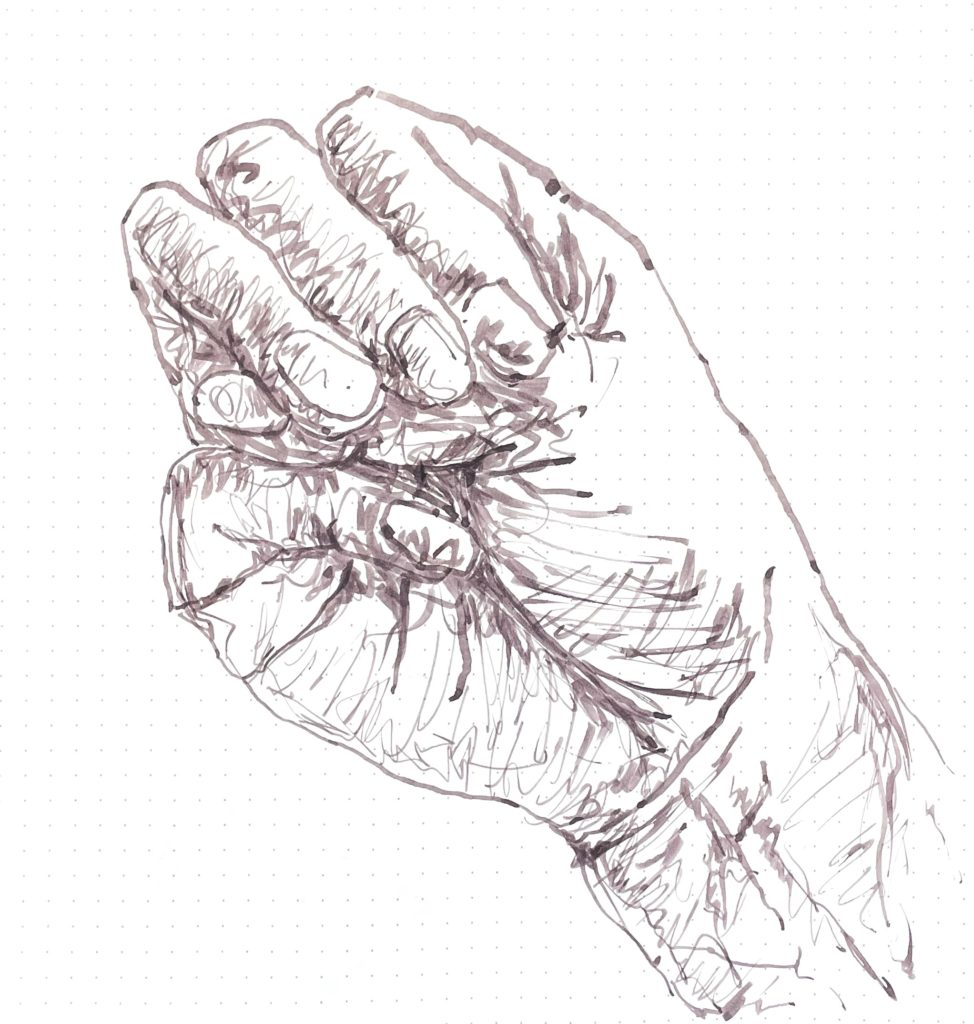
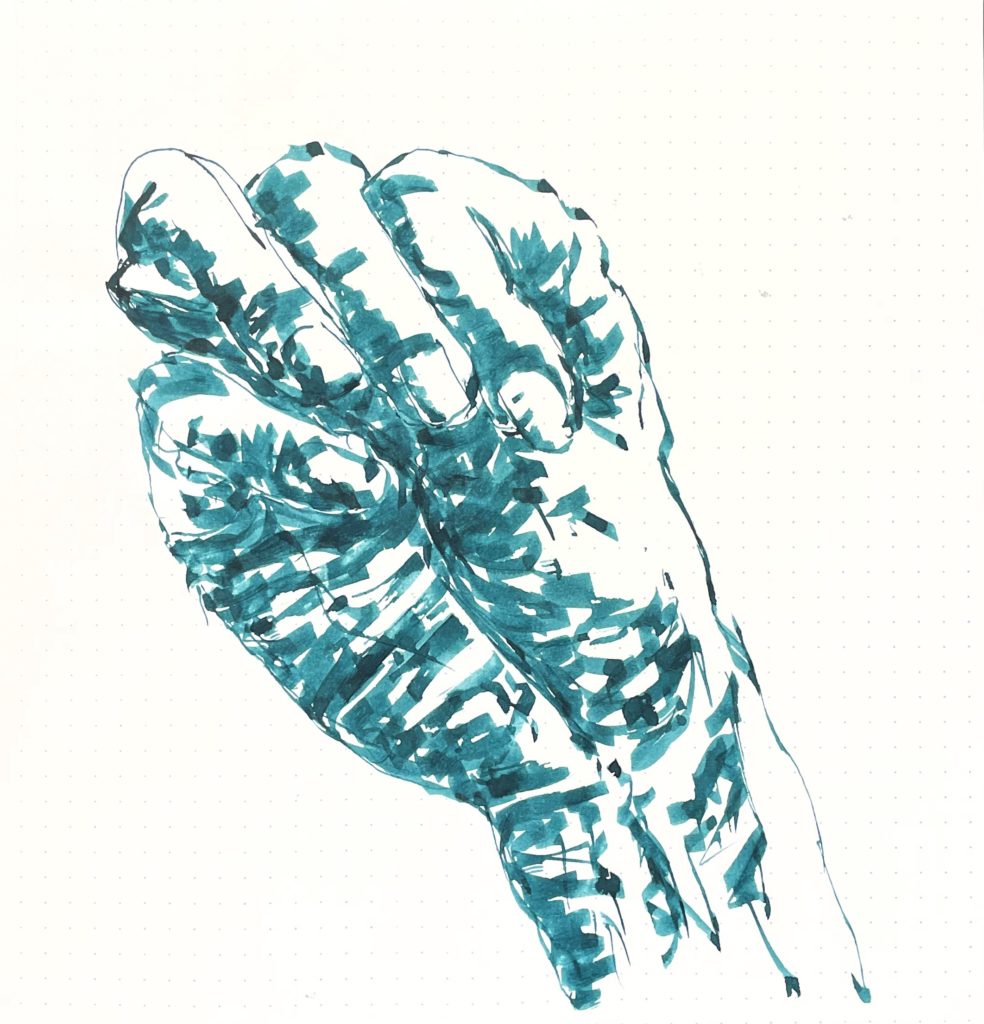
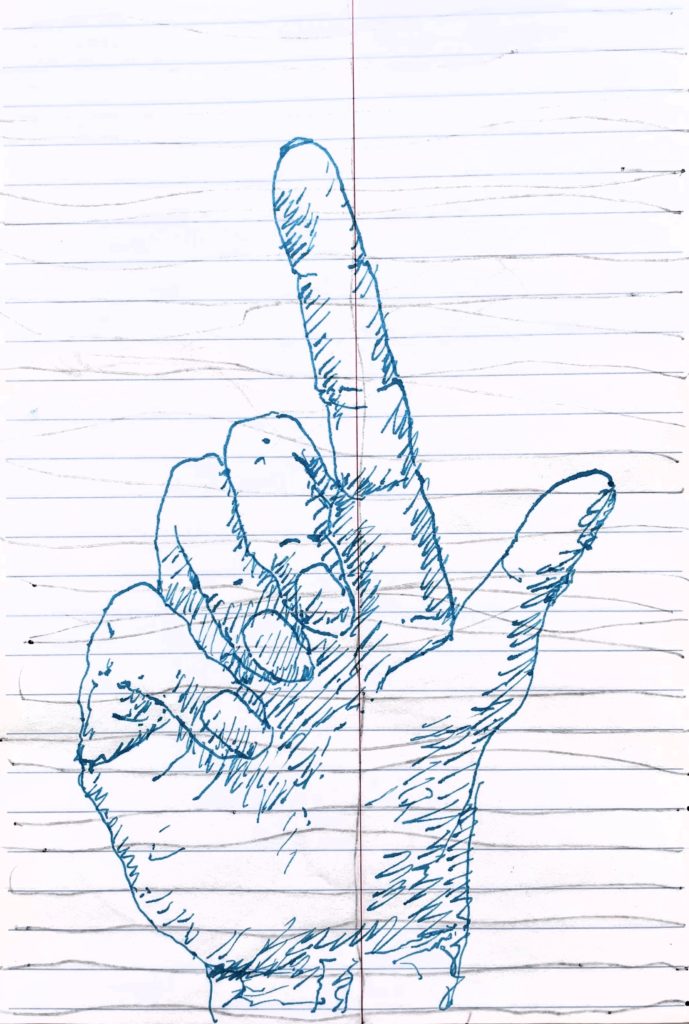
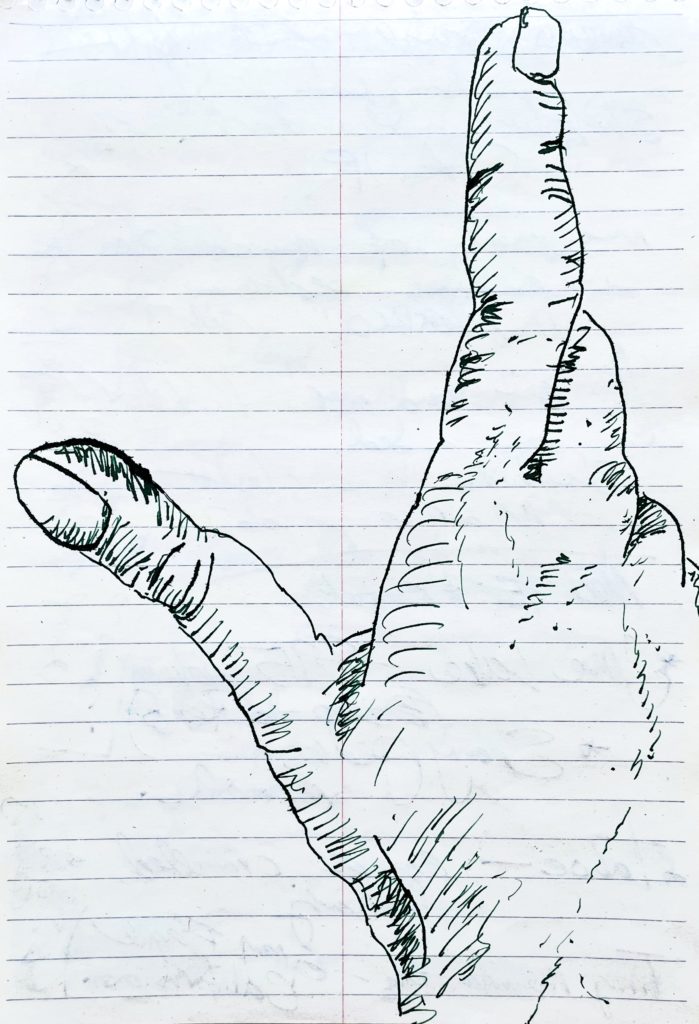
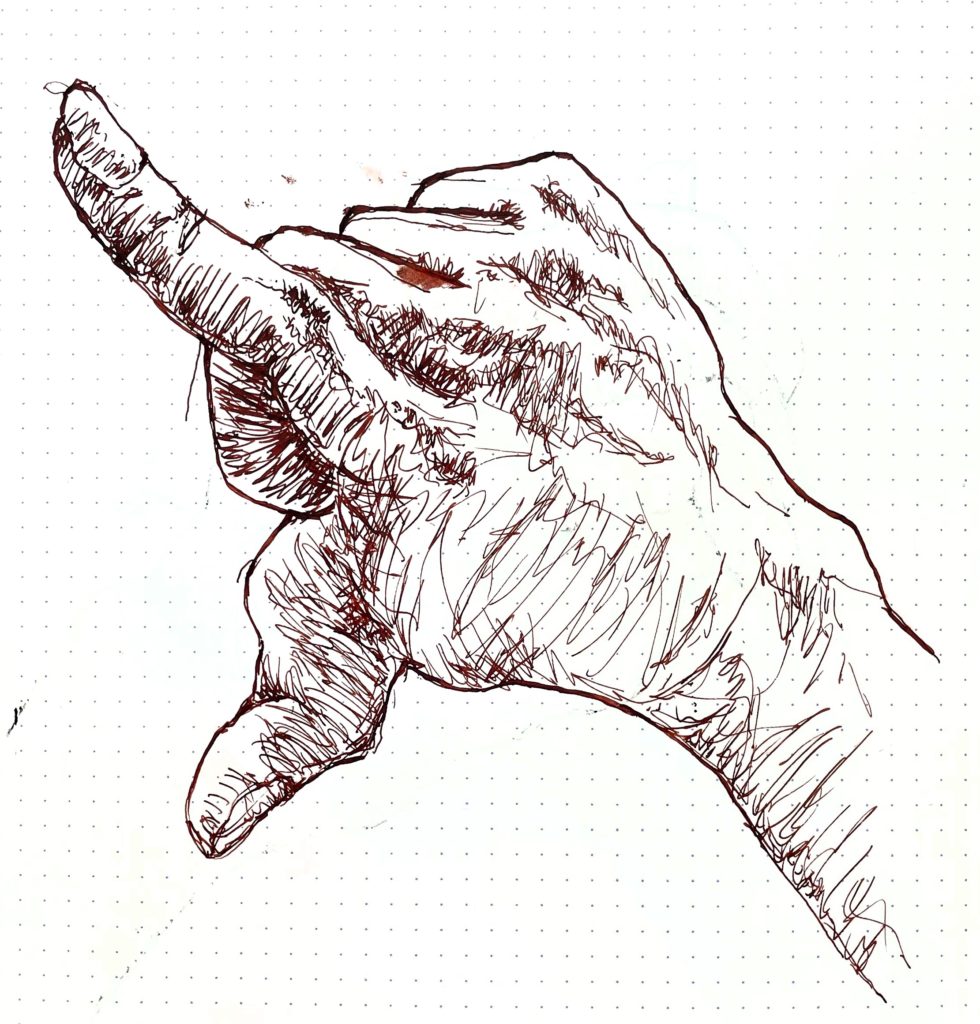
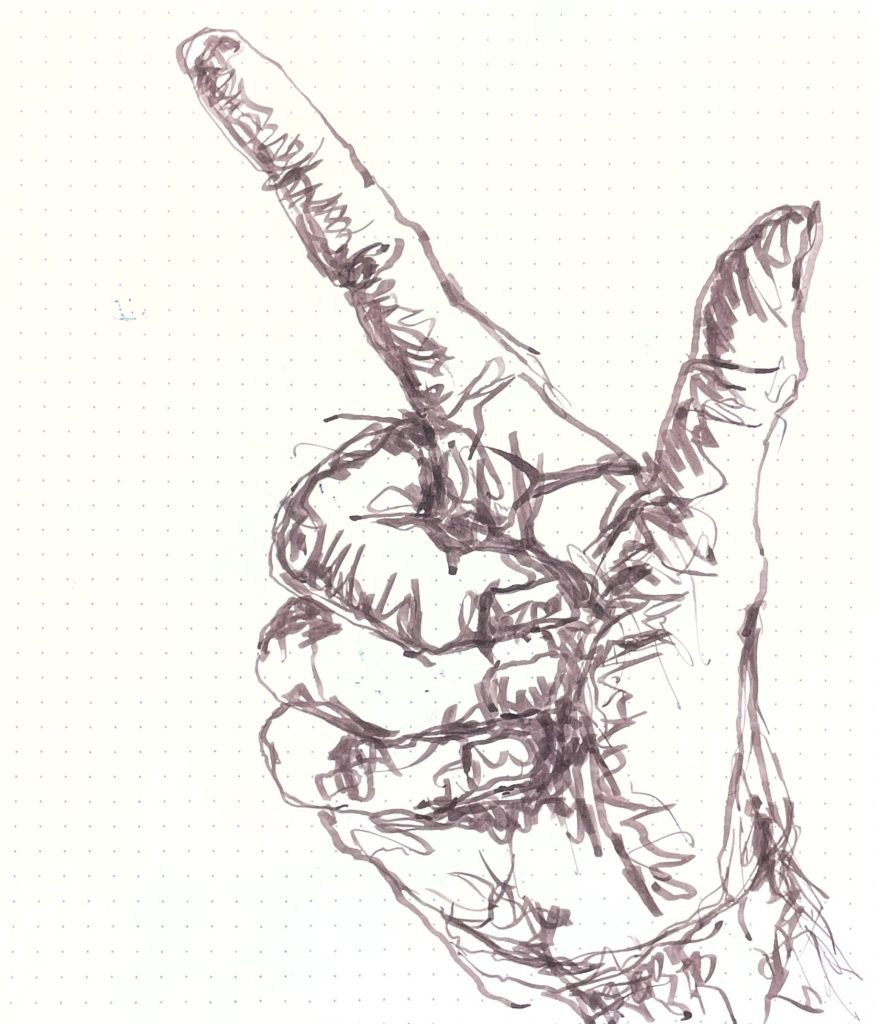
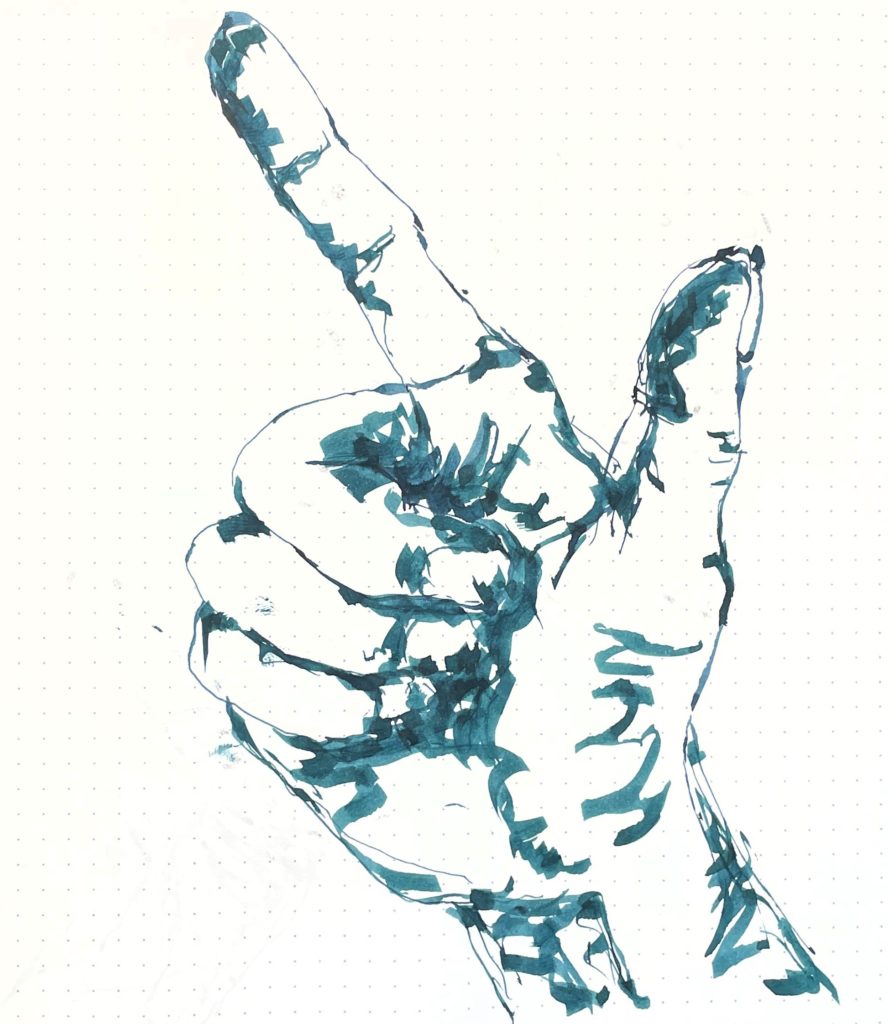
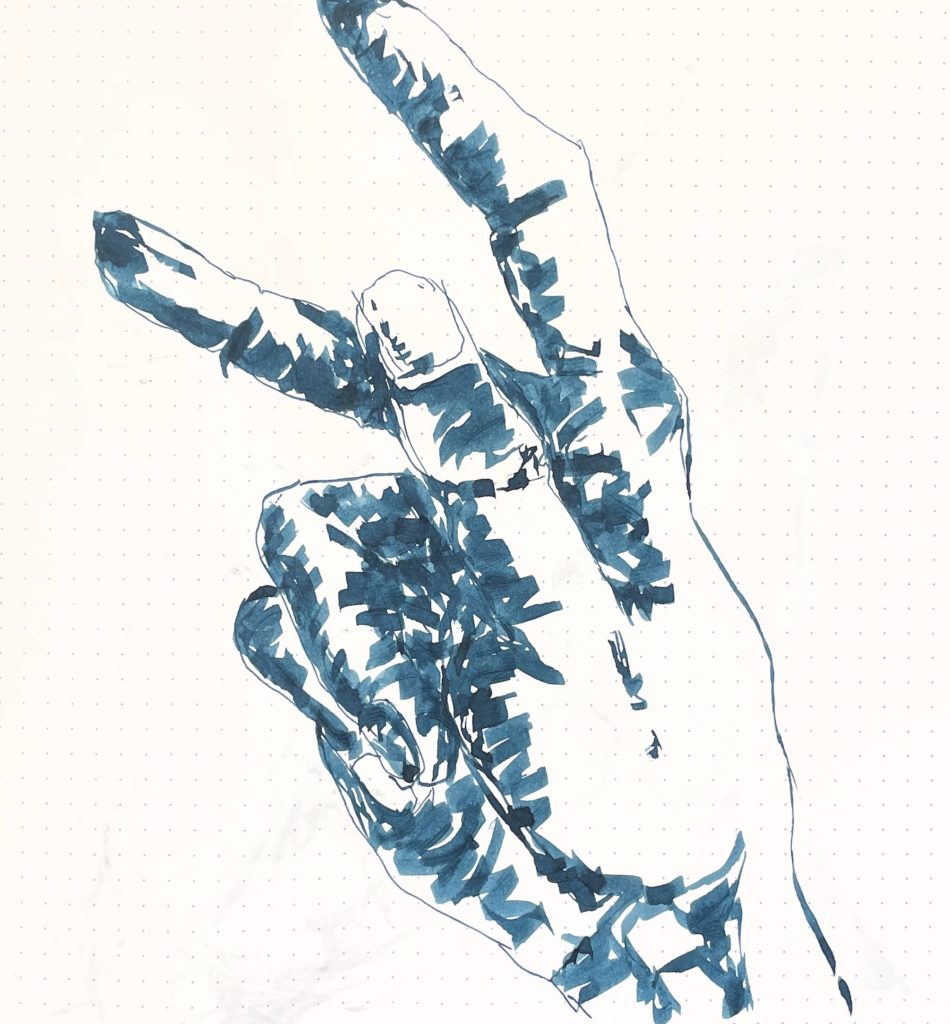
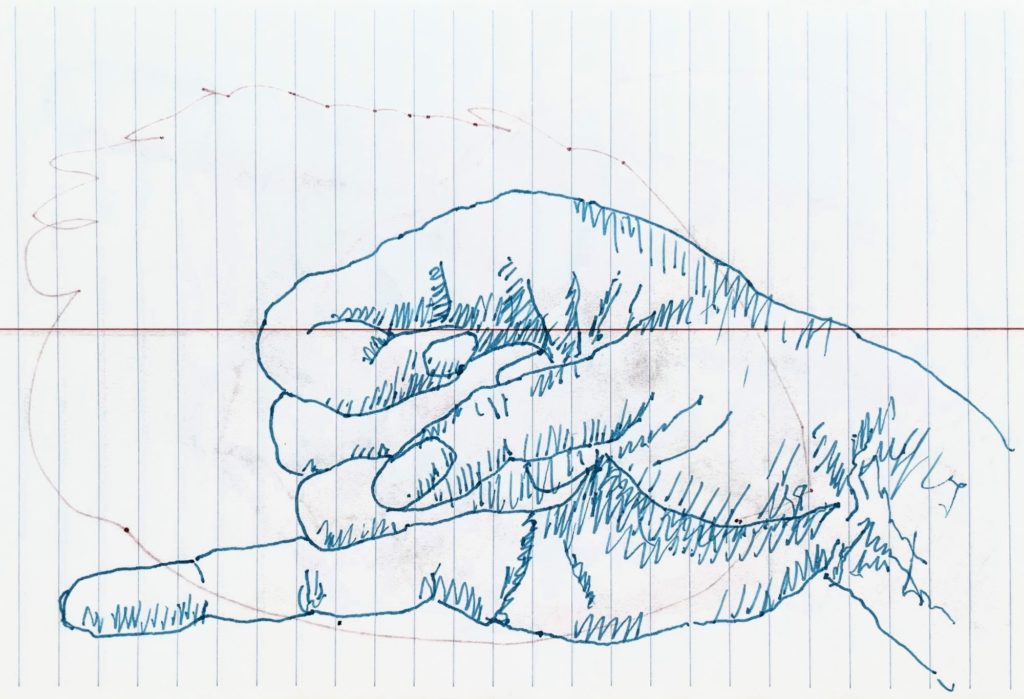
Instead, I was freed from the self induced constipation of accuracy. I picked up the pen and started laying ink on paper again.
They’re rough. There’s no undo button. No edit function. All you can do is start over, again. Try not to mess it all up with the last few lines on the page.
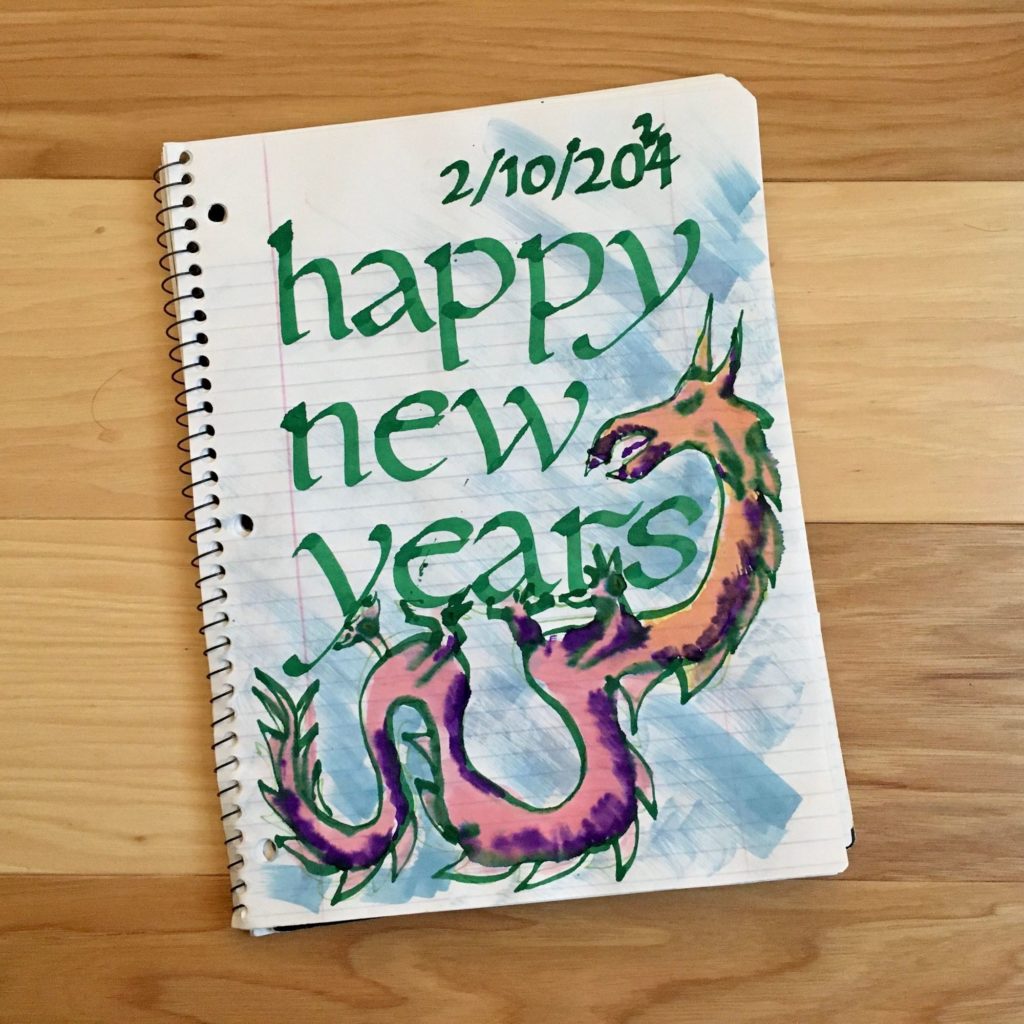
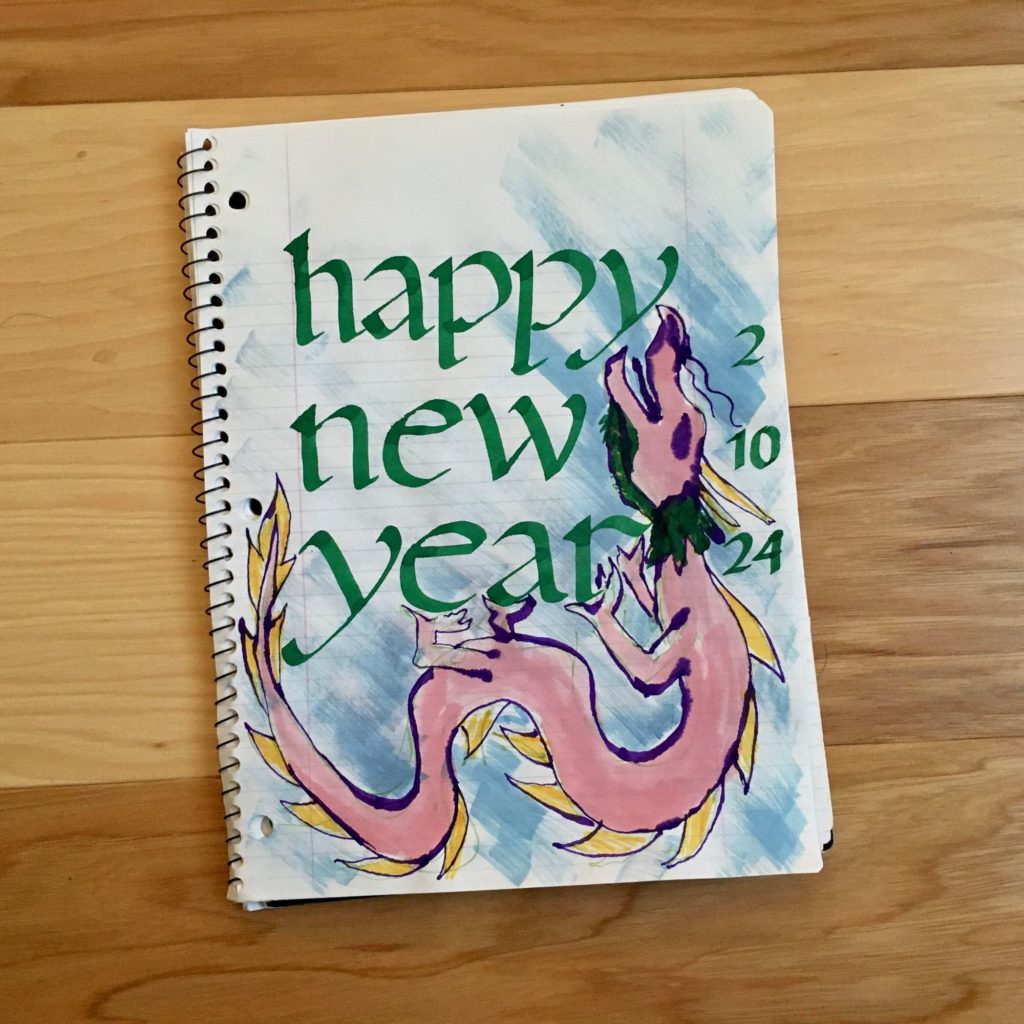
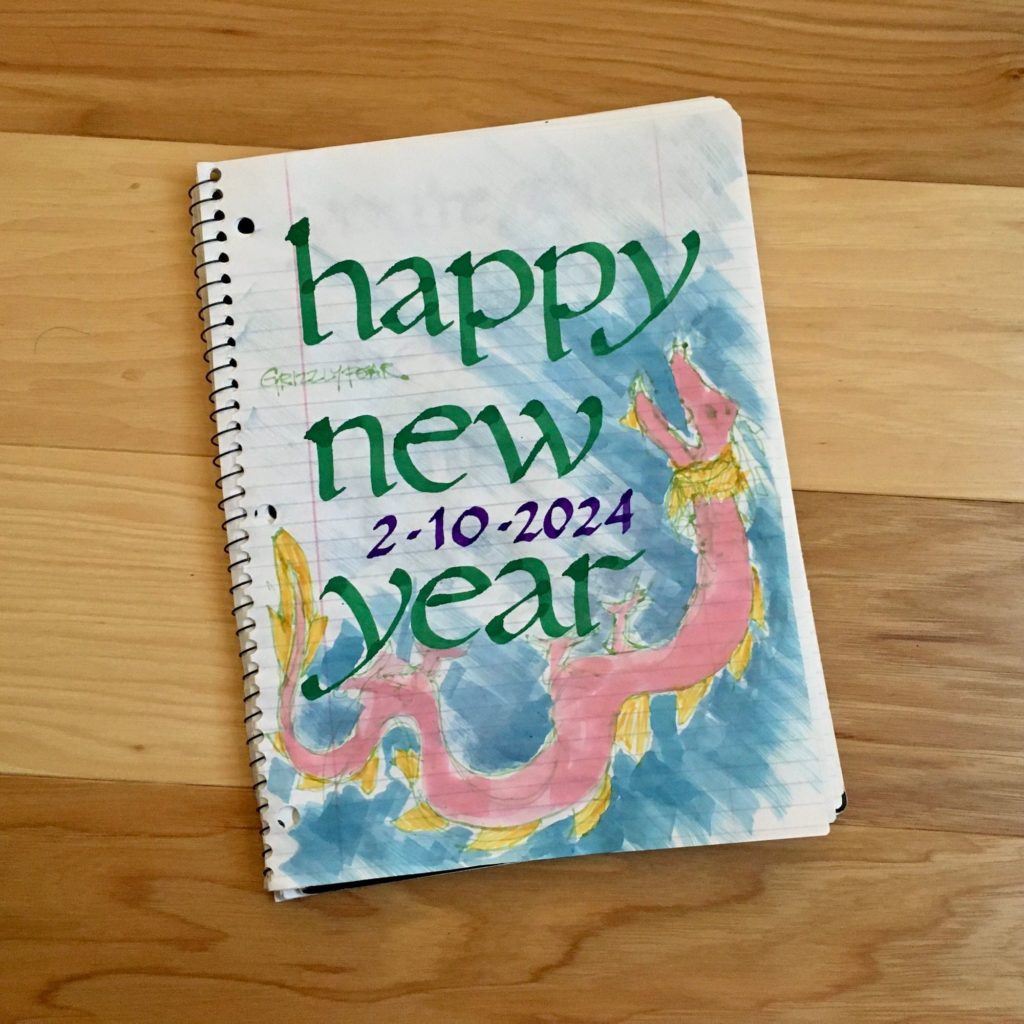
These aren’t perfect, but I can vouch for their provenance. My hand was there when each molecule of dye nestled into the fibers of these pages.
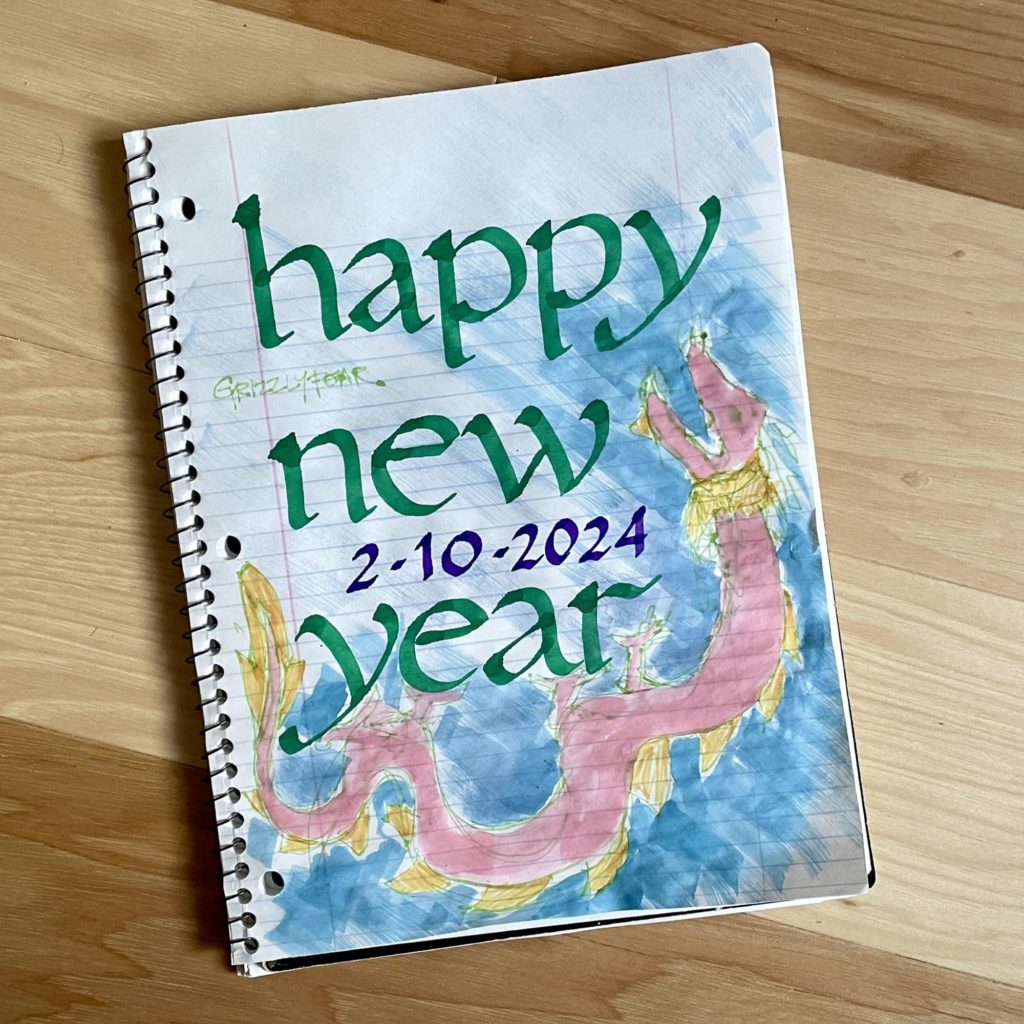
Here’s to many experiments in this year of the Dragon!
I wasn’t super happy with the purple, but it was “good enough”…until I messed up the last two letters of this page. Lettering in ink demands full attention. The simplest mistake can be catastrophic. This was on a good track, and then I got cute with his beard and ruined the dragon. Again, the last thing killed the whole page.At this point, I didn’t even try to outline the dragon. I didn’t have energy to try a fourth time. I kind of like how the dragon is a bit atmospheric on the page…but that might be a total rationalization for wimping out.
Three weeks ago, we moved to our new house. Here are three last shots from the old place.
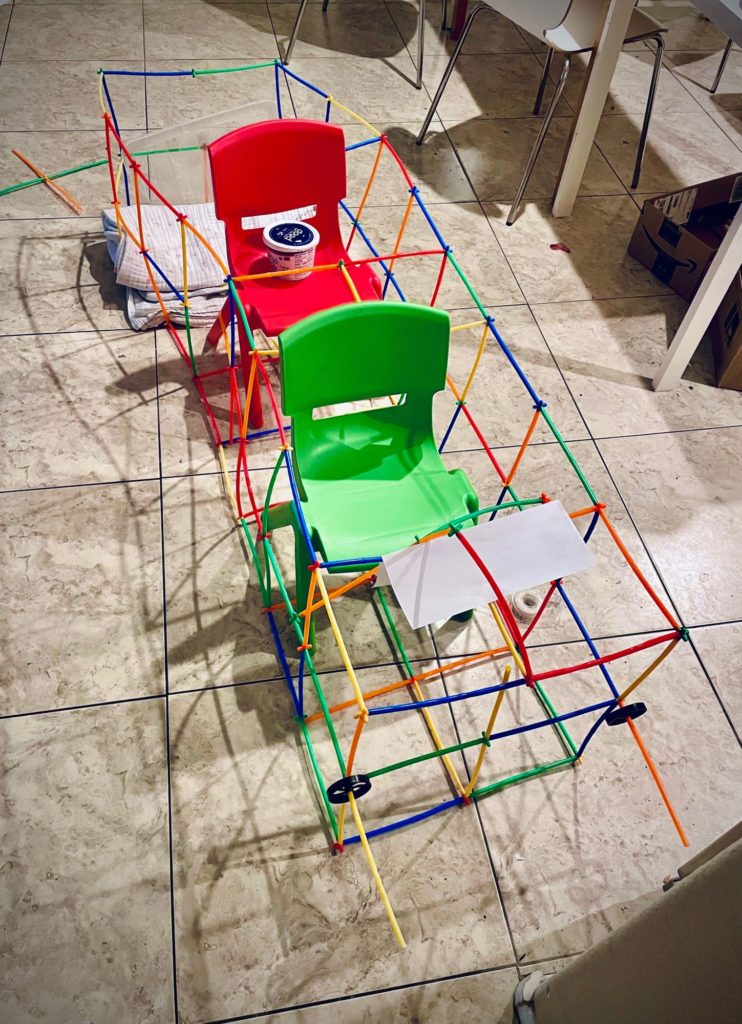
The kids made a car on their penultimate night at this home. They filled the trunk with stuffies, turned off the lights, and drove the dark roads following the sat-nav until they found a motel.
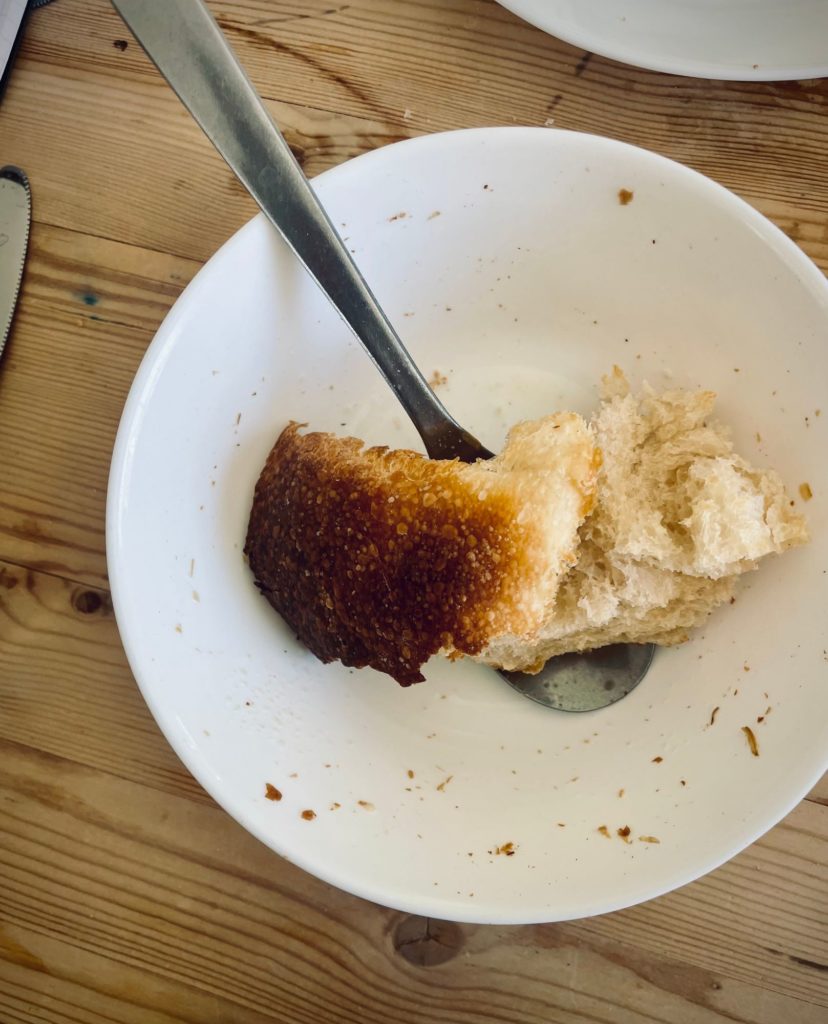
Here are the last two pieces of bread that I baked in the building. The gods gave me a run of good loaves for the past few weeks. (If you want a great sourdough info, check out Chapin‘s newsletter).
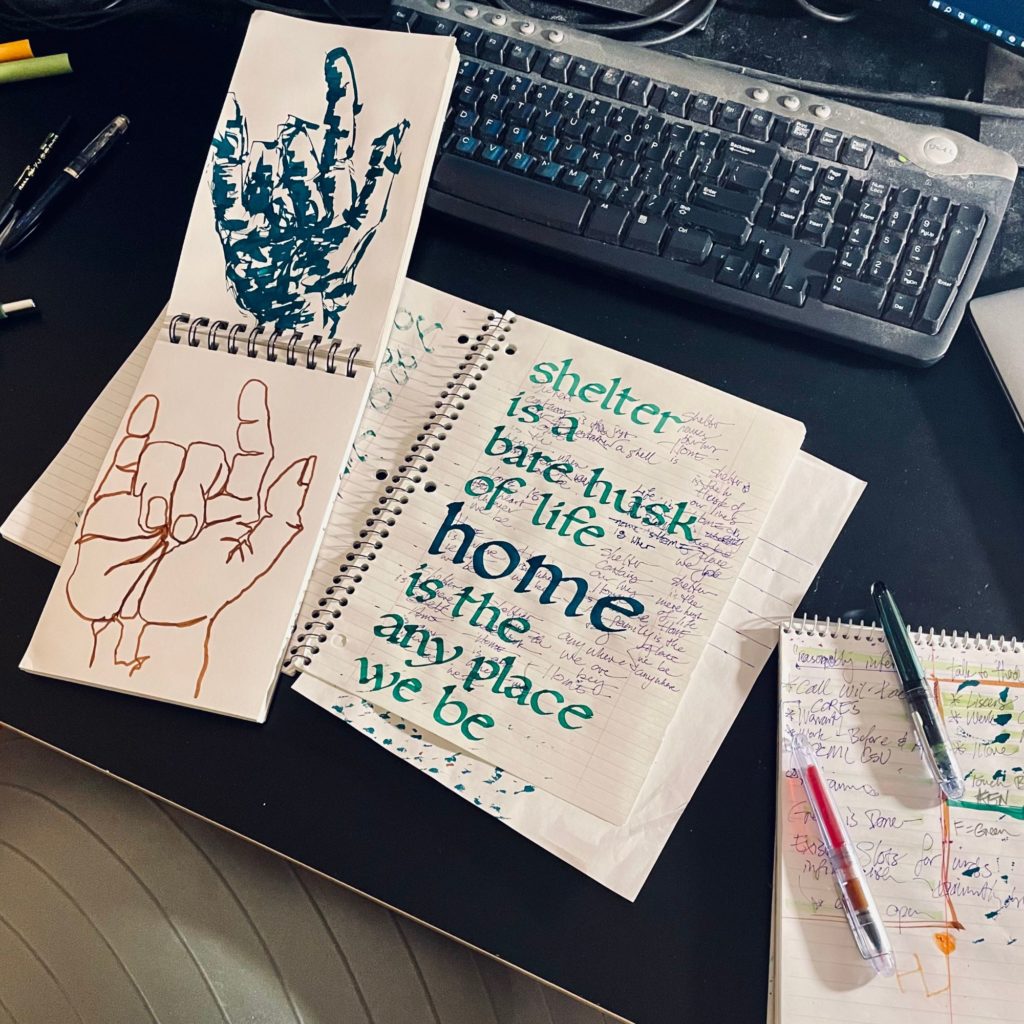
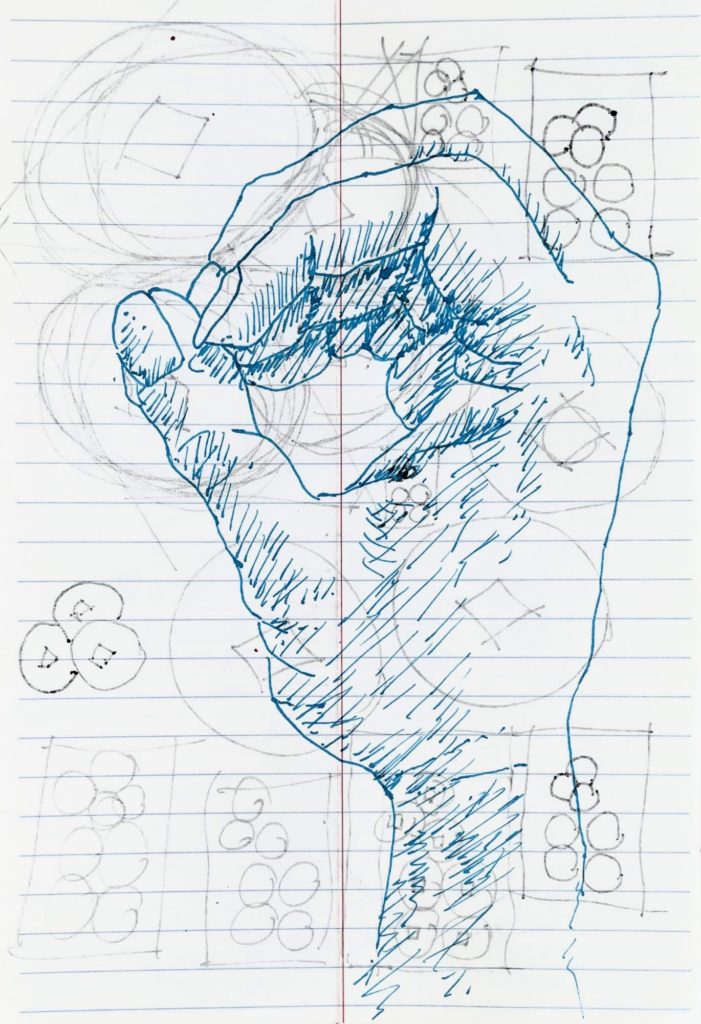
Finally, the last morning routine in this bedroom with a quick gesture sketch, continuous line drawing, and tiny poem. Shoutouts to ashlyn,Citlaflor, Hazel Burgess Art, Beth Kempton, Wendy MacNaughton, and Nadia Gerassimenko for helping mold this regular morning jaunt…which has unfortunately become irregular after I was coincidentally dragged back into the office after four years of working from home after this same weekend.
So in both ways this was the end of an era. Four years ago, we were living with my in-laws. Their tenant left this rental house a few months in late 2019 and they had not found a replacement before the before the pandemic hit. Given the parents’ age, I exiled myself to this place for a several long months—which included my first grind through the brutish biennial budgeting season as a state worker.
After things settled down the family joined me here. The kids were 6 and 2. They kept growing. I guess we did too. At the end of 2023, we bought our own place. The kids are now 10 and almost 6.
The “real Vegas” is not the spectacle of the Strip. It’s our quiet lives in these beige stucco boxes carpeting the Valley. Like most of suburban America, it’s a splendorous existence that we barely appreciate.
,
,
,
,
,
,
It’s been three weeks at the office. It’s a treat to regularly hang out with my coworkers in person. But that marginal benefit is far outweighed by the cost of commuting every day.
There are so many things I’d rather do than piloting a metal box across the town to accomplish tasks that I’ve done at home for four years. But I’ve also heard horror stories about workers who have taken ill advantage of remote work. So I get why my massive organization settled on this brute solution.
I can’t complain too much. Commuting is a mere annoyance, even if the unnecessary nature of this blanket directive makes it particularly irksome.
So I thought up a new project to redeem the time. I’m going to march through my collection of CD’s in alphabetical order by performer.
I will listen to each disc at least once through. After that, I can re-listen and skip tracks before I move on to the next album. If I buy any new CD’s, I’ll listen to them once and then slot them in line.
This project popped into my noggin while listening to an ambiance album featuring the didgeridoo. I was underwhelmed, but I thought about the artist. I presume he thought it was a great piece of art, at least the best he could do at the time he published it. At that moment, I decided to give each of my musicians at least one generous, full hearing.
For three decades I’ve been listening to the spoken word—sermons on tape, talk radio, and podcasts. As I get older, I’m being overwhelmed by the verbal clutter. Let’s fill that metal box with music.
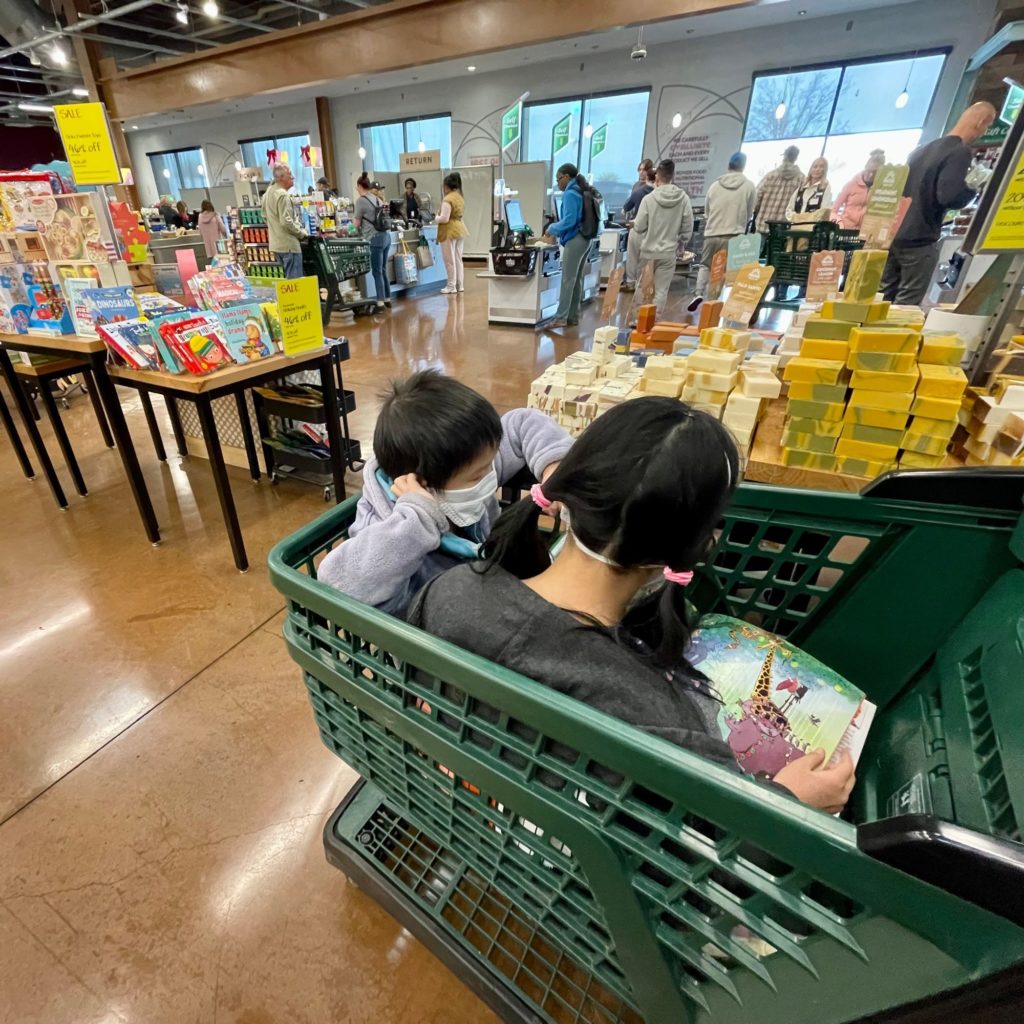
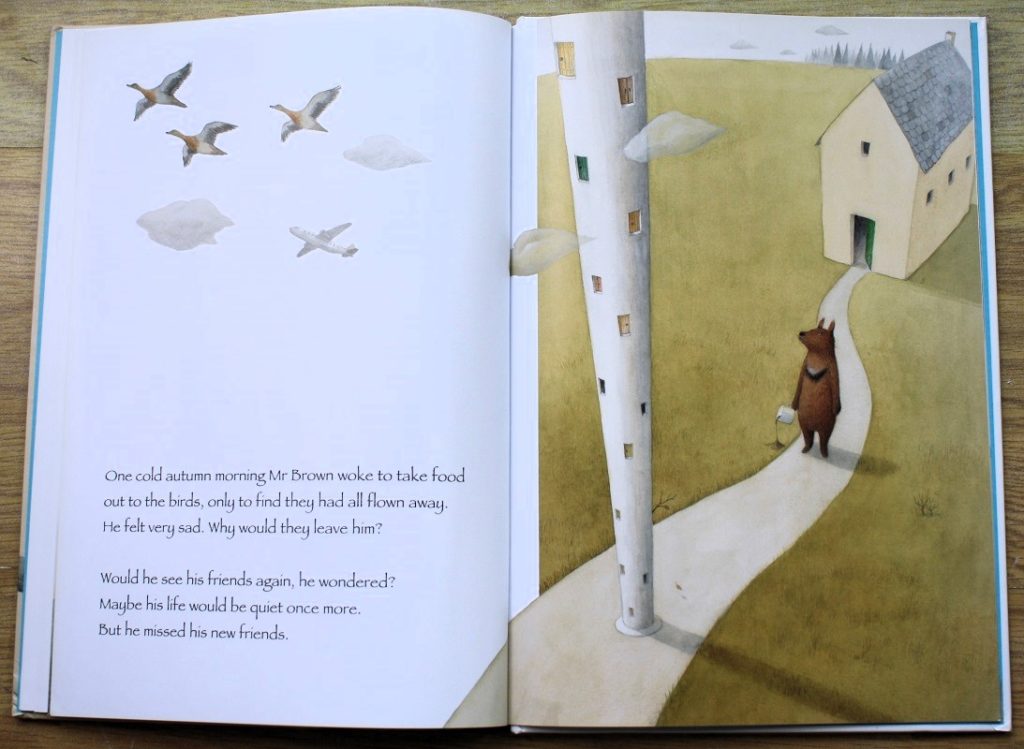
The kids insisted on reading Grumpy Monkey Oh No It’s Christmas before leaving while Mama checked out of the supermarket.
Mama was not amused as she waited outside. Her ire disappeared when I rushed out with blood soaking through his mask, dripping down his throat.
He didn’t complain about a bloody nose until the book was done!
,
,
,
,
,
,
Apple Vision Pro has finally entered the conversation, on Youtube and in my podcasts. “Spatial computing” will be the future!
Great! I’m doing nothing.
The iPhone didn’t hit its stride until the 4—why spend hard cash on alpha technology?
More importantly, I want the six year old to remember a world without VR.
Growing up in the early 80’s, I was among the first cohort who always had a computer at home, but we didn’t connect to the internet until college. I’m grateful that my youth was disconnected from the world wide web.
I’m not so stubborn to skip the ubiquitous internet of today’s reality, but I feel no rush to interjaculate our children’s world with digital light knifed through their pupils.
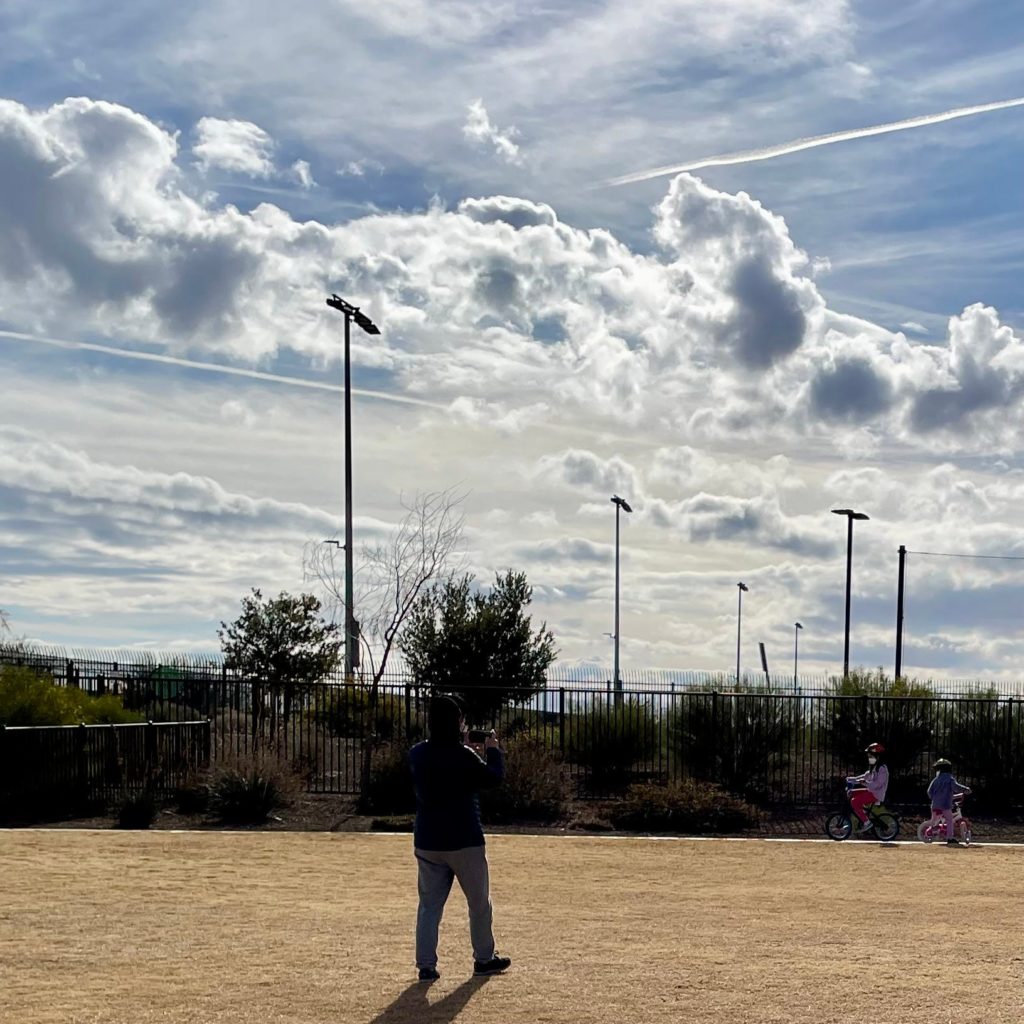
I accidentally caught stunning clouds while the wife recorded the kids riding bikes in the park.
,
,
,
,
,
,
We moved this week. From our in-law’s place to our own house. And I moved from working at home back into the office.
The latter move was unnecessary except someone decided it was important. Such is the nature of work. Fortunately I enjoy the company of my coworkers. The commute is annoying1, but the time at work is still enjoyable in its own way.
The former move was also unnecessary, except that it’s nice to have a home of one’s own. We’ve been living with her parents for a decade. This autumn, we finally found a place that we liked more than the possibility of buying a better indeterminate place.
Life rarely gives perfect choices. It’s a blessing to be presented with good options—many folks don’t get such moves.
,
In spite of my complaints, I experienced a sublime moment driving east on 215 pressing towards the orange glow of a rising sun, immersed in Glenn Gould’s 1955 recording of the Goldberg Variations. Epic way to start a Wednesday. ↩︎
My former intern in private practice joined the State Public Works Division half a year ago. He finally passed his last architectural exam.
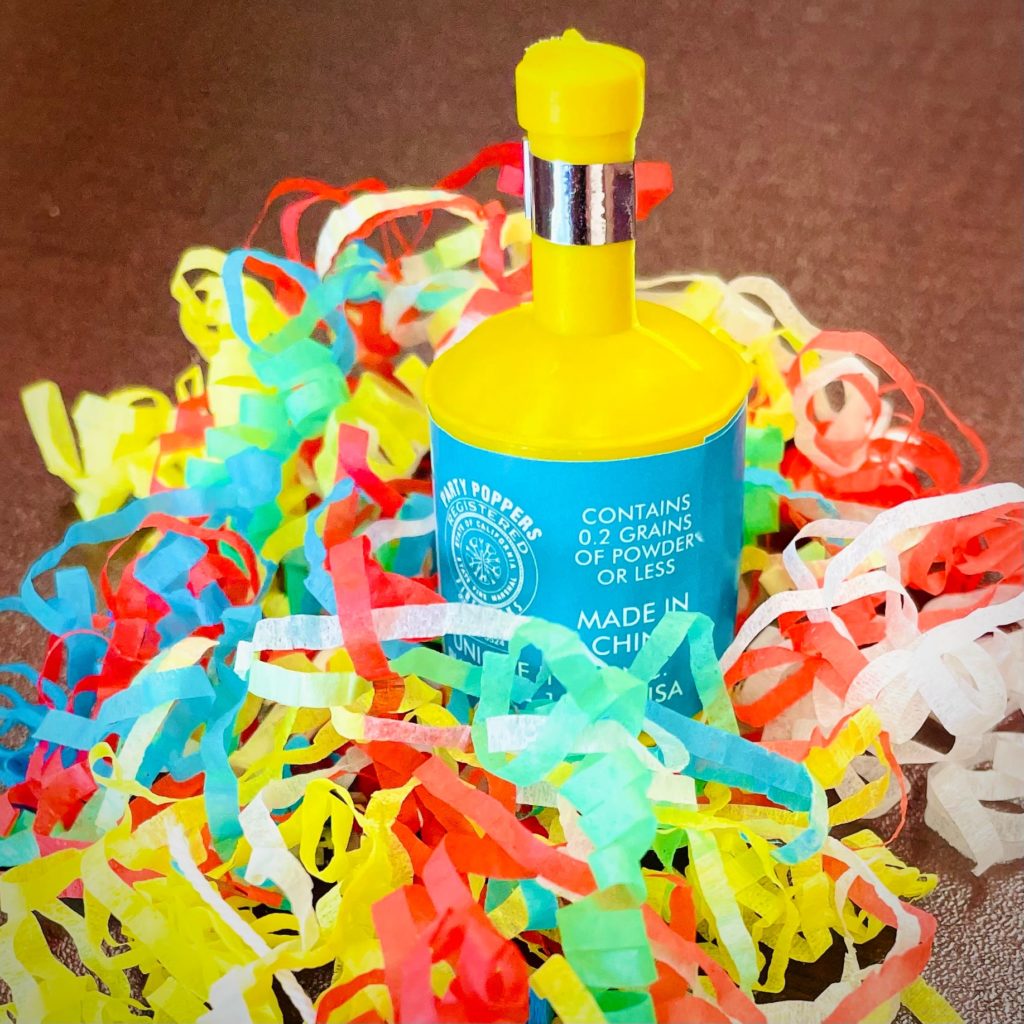
At the time I was working from home, but I snuck into the office with party hats and poppers to properly celebrate at the Monday morning staff meeting.
Nothing like the smell of gunpowder in the morning.
,
,
,
,
,
,
Getting your license is hard. 2010 was my year of misery, a slogging through seven tests. Never a moment of peace with the enormity always under the pillow.
And I was lucky, working only 30 hours a week. Those great recession paychecks were ugly, but I had “free” time to study.
Unfortunately, my guy’s celebration was short lived. In the past couple of weeks, we had a shakeup at our agency. He got picked to run our most public project, a room with our administrator, right before we head into the nasty budget season and the birth of his first child.
I’ll be there for him, just like I have all these years, cheering him on.
,
Now that he’s been transferred out of our main office, I’ve been called back in from working remote.
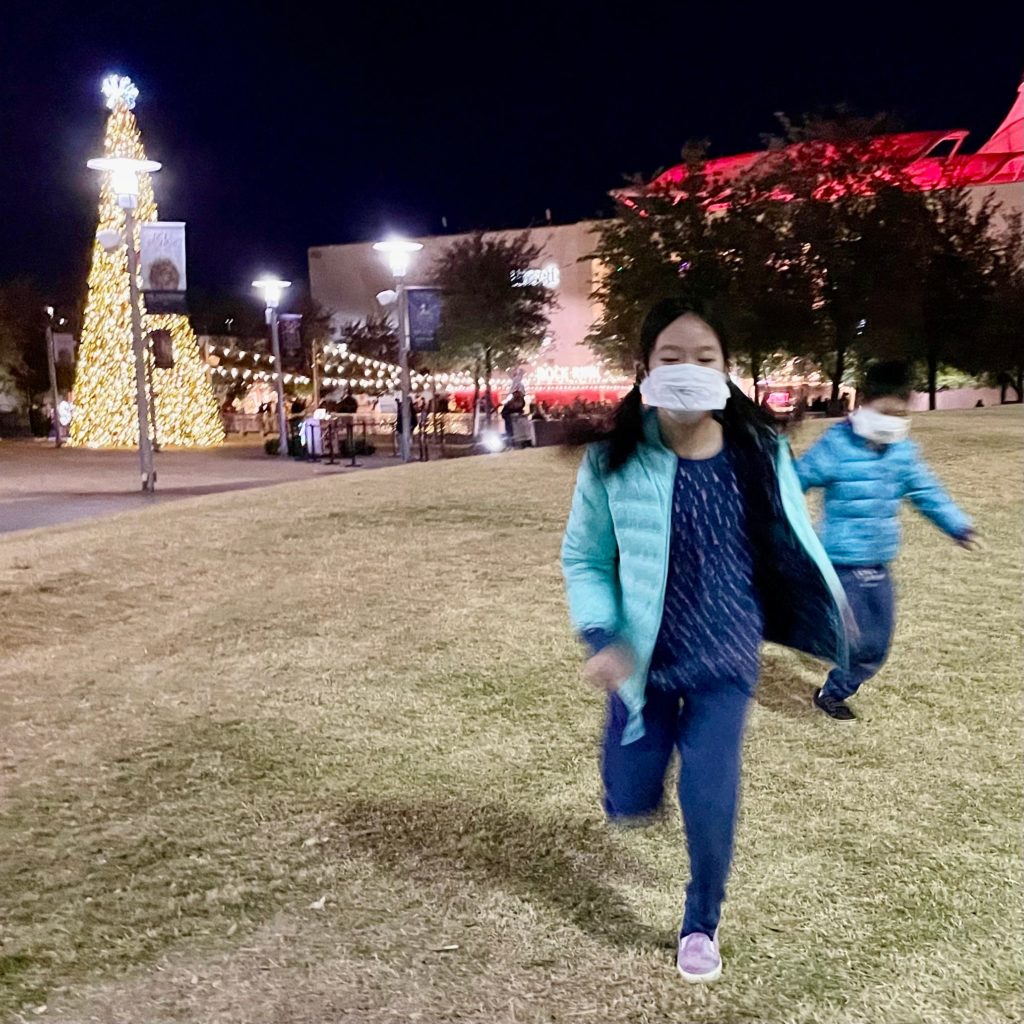
After an hour of climbing the new play structure in an outdoor atrium, they raced around the small berms at Downtown Summerlin after the holiday light parade.
,
,
,
,
,
,
This was our first holiday season (almost) fully out of our shell. We’re still masked and not dining out, but rubbed lots of elbows these past few months.
We attended the Downtown Summerlin Halloween parade, trick and treated at Calstock Court, visited the Clark County Museum Heritage Holiday, stood in line for the illuminated cactus garden at Ethel M (overrated), and came back to the outdoor mall for their Christmas parade. I forgot how busy the holidays can be!
With time, I wonder how we will judge this four year hibernation1.
It wasn’t all bad — before the pandemic we had tired of the dining scene, so we saved a ton of cash and learned how to cook white-people cuisine. We also successfully avoided COVID (so far).
But it wasn’t cheap. We worry how this long time might affect the kids. They seem fine, but are we deluding ourselves? Like everything else parenting, I guess we’re making shit up before we reap the whirlwind.
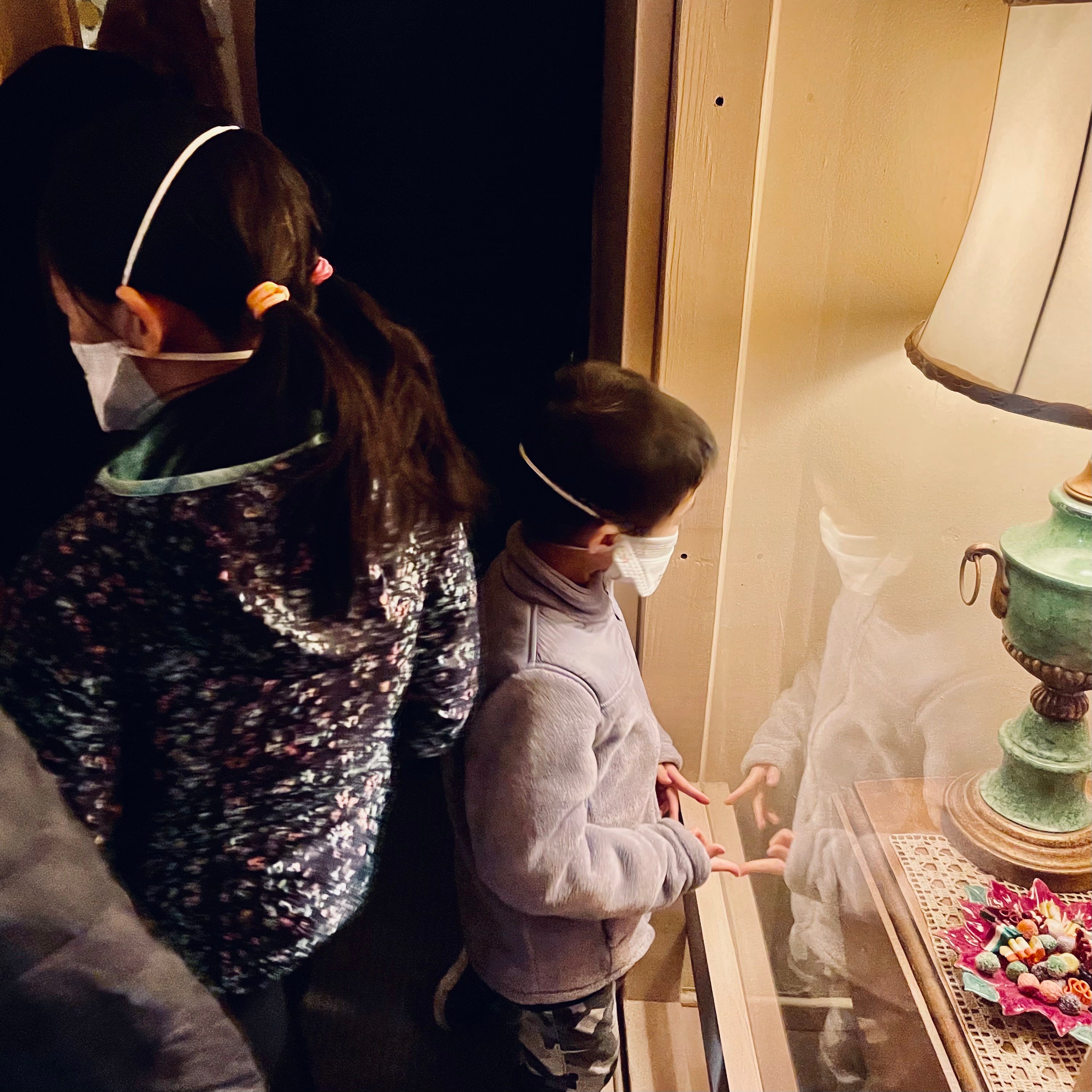
We went to the Clark County Museum’s historical park for their annual “Heritage Holidays” celebration. It’s been four years since our last visit, a completely different world ago.
I presume he enjoyed it a lot more than when he was twenty months old!
This photo was taken in a tiny two bedroom house, originally constructed in Henderson, Nevada around the Second World War.
,
,
,
,
,
,
We have been extremely cautious about the pandemic so we still aren’t eating out. As such, much of this info is out of date, but I wanted to mention a few favorite Vegas places, but please do your own research.
Vegas Restaurants
Ramen was just becoming a craze and hadn’t made it to Houston before we left. So when we arrived, we went straight to Monta. It was still our favorite before the pandemic hit, though I’m not sure it’s totally worth the long wait.
Pacific Island Taste was a favorite at my office. My co-worker still vouches for it and we had them cater our holiday potluck a month ago. Get some Hawaiian flavors at the 9th island!
If I was going fancy on the Strip, I guess I’d pick the Bouchon at the Venetian. Strip restaurants are usually money grabs by celebrities so it lacks the passion you find with chefs at their original passions. But we’ve had a couple memorable Easter brunches with friends up at the top of this hotel.
Vegas Coffee Shops
Tony Hsieh’s Downtown Project wasted a ridiculous amount of money, but one of its legacies is the sunken courtyard with Mothership Coffee Roasters in the old Ferguson Motel in Downtown.
Nearby is Publicus, an independently owned coffee shop that has maintained a stellar reputation.
Le Paris Coffee and Pastry is an off strip gem on Decatur and Desert Inn. It was the place I’d take folks to show them the “real Vegas”.
Quirky Places in the Desert
The Clark County Museum is a great deal with general admission at $2.00. We should go there when the sun is out, I’ve heard there is more there to be enjoyed.
Cactus Joe’s is a nursery and variety store. Given that it’s primarily outdoors, this was one of our first visits when we started coming out of our shell. It’s a fun shop, even if none of the stuff matches our aesthetic tastes.
Calico Basin is on the outside of the famous Red Rock Canyon. It’s free and won’t involve a long wait to visit.
If you want to check out a big piece of civil engineering, the Hualapai Lot Trail Head gets you right there. It’s wild to hike in the hills overlooking the city, turn a corner and feel like you’ve disappeared into the desert.
Las Vegas Books is a used bookstore that opened a couple of years ago by owners who moved here from Minnesota. This is the quintessential Las Vegas story. Come here and work hard, and you will establish a reputation in no time.
And if you want decade-old tips for Houston (we left in 2013) here are few highlights.
We loved walking through the Menil art collections. It was our last stop before leaving the city.
The quirky Orange Show is an inspiring testament to what one determined person can make.
The Port Authority offers a super cool, free 90 minute boat tour of the shipping channel.
If you have time for a full day detour, run up to the Kimbell Art Museum at Fort Worth. This building is a required visit for any architect.
Houston Nostalgia in Restaurant Form
Cafe Brasil is where I started a Friday morning caffeine and contemplation routine, with a shot of espresso and a scone.
Wandering around the neighborhood, we discovered La Guadalupana and fell in love with their pastries (almond croissants!), vampiro (beet, carrot, and orange juice), and their mojarra frita.
Our favorite breakfast plate was the migas (Mexican style egg scramble with tortilla strips) at Baby Barnaby’s. This American posh fusion took it this TexMex breakfast plate to another level.
In Bellaire (Chinatown), we would get the Spicy Fried Tofu at Star Snow Ice in the Dun Huang Plaza. It paired great with their sweet Hot Tofu soup. Sometimes we would start a meal run with Fried Tofu as an appetizer, go to another restaurant for the entree, and return for Hot Tofu as dessert.
Hopefully I didn’t steer y’all wrong in with the food, but I can vouch for the other stuff. And I’m always happy to chat about my towns. I hope you have fun in the desert (or swamp!)